Most people ignore the thorny weeds that spring up in their gardens, dismissing them as a nuisance. Yet, tucked away in the roots of a plant often called Prickly Chaff Root (Achyranthes aspera) lies a powerful secret that many herbalists have utilized for centuries. If you’ve been searching for a natural fix for common digestive woes, inflammatory discomfort, or even a gentle metabolic support, this unassuming plant might be the remedy you’ve overlooked.
Its unique properties can offer a surprising sense of relief that pharmaceutical options often don’t provide without side effects. One small preparation mistake, however, can completely diminish its potential, turning a potent tonic into a less effective brew. Knowing how to properly harvest, prepare, and use this root is key to unlocking its full benefits.
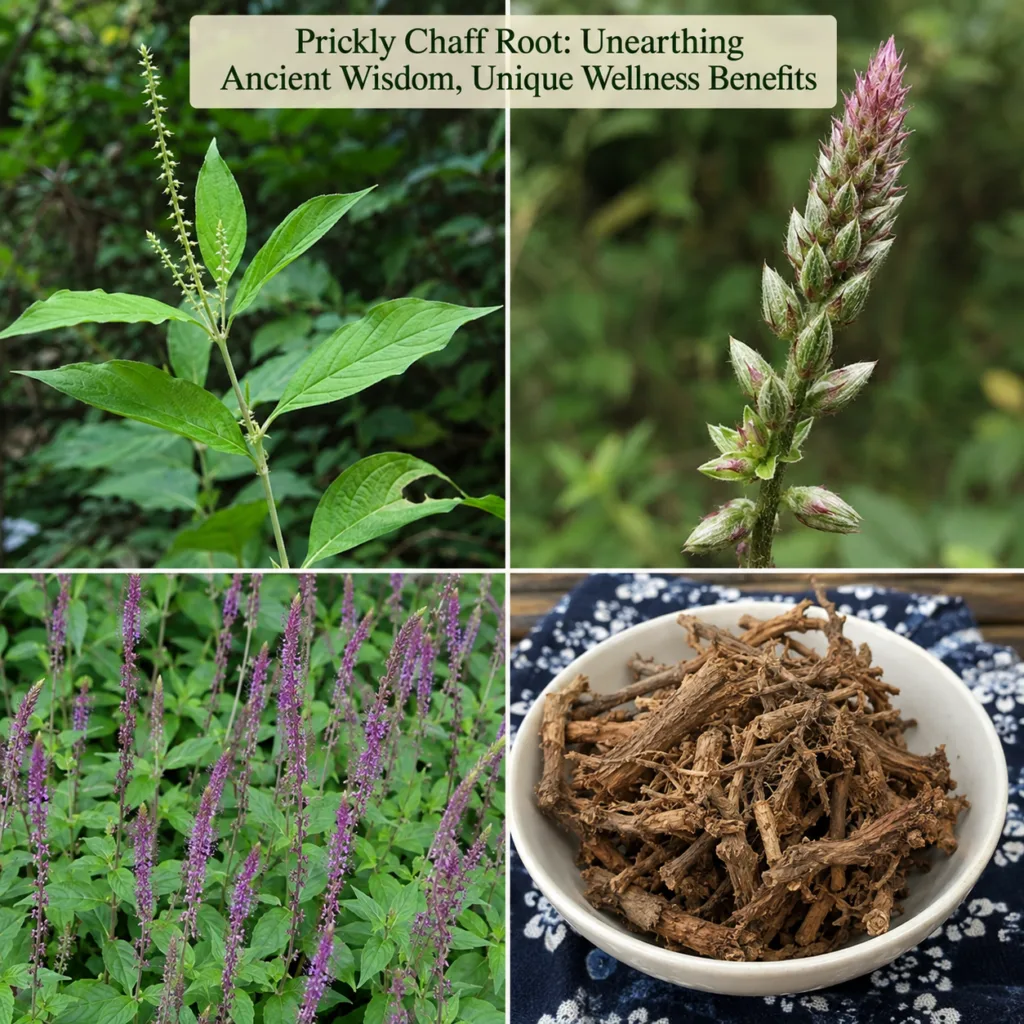
What it Is: Prickly Chaff Root
Prickly Chaff Root, scientifically known as Achyranthes aspera, is a perennial herb found in tropical and subtropical regions worldwide. While often considered a weed due to its invasive nature and small, prickly “chaff” that adheres to clothing, its roots, leaves, and seeds have a long history of use in traditional Ayurvedic, African, and Chinese medicine. The root is particularly prized for its adaptogenic and therapeutic properties, supporting various bodily systems rather than targeting a single symptom.
Ingredients for a Simple Prickly Chaff Root Decoction
Preparing a potent and effective Prickly Chaff Root decoction requires just one primary ingredient and clean water. The key is sourcing good quality root.
- Dried Prickly Chaff Root: 1-2 tablespoons (approximately 5-10 grams) of chopped or powdered dried root.
- Water: 2 cups (approximately 500 ml) of filtered or distilled water.
The root is the star here. Ensure it’s free from mold, pests, or discoloration. Fresh roots can also be used, but require different preparation steps for drying before use or a stronger decoction might result from direct boiling.
Quick Tip: Fresh vs. Dried Roots
| Feature | Fresh Prickly Chaff Root | Dried Prickly Chaff Root |
|---|---|---|
| Availability | Seasonal, requires foraging/cultivation | Year-round, available from herbal suppliers |
| Preparation | Requires thorough cleaning, chopping, and careful drying to prevent mold. | Ready to use, just measure and steep. |
| Potency | Potentially higher if used immediately after harvest, but storage is tricky. | Consistent, stable potency when dried and stored correctly. |
| Storage | Very short – must be processed quickly. | Long-term (up to 1-2 years) in airtight containers. |
Formula / Recipe: Prickly Chaff Root Decoction
A decoction is the preferred method for extracting the beneficial compounds from hard, woody plant parts like roots. This process involves simmering the herb in water.
- Measure Ingredients: Combine 1-2 tablespoons of dried Prickly Chaff Root with 2 cups of water in a small saucepan.
- Bring to a Boil: Place the saucepan over medium-high heat and bring the water to a rolling boil.
- Simmer: Once boiling, reduce the heat to low, cover the saucepan, and let it simmer gently for 20-30 minutes. This slow simmer allows the root’s compounds to fully infuse into the water.
- Strain: After simmering, remove the saucepan from the heat. Carefully strain the liquid through a fine-mesh sieve or cheesecloth into a mug or heat-proof container. Discard the spent root material.
- Cool: Allow the decoction to cool to a comfortable drinking temperature before consuming.
This method ensures maximum extraction of the beneficial saponins, alkaloids, and other compounds that give Prickly Chaff Root its therapeutic power.
How to Use + Best Time to Take It
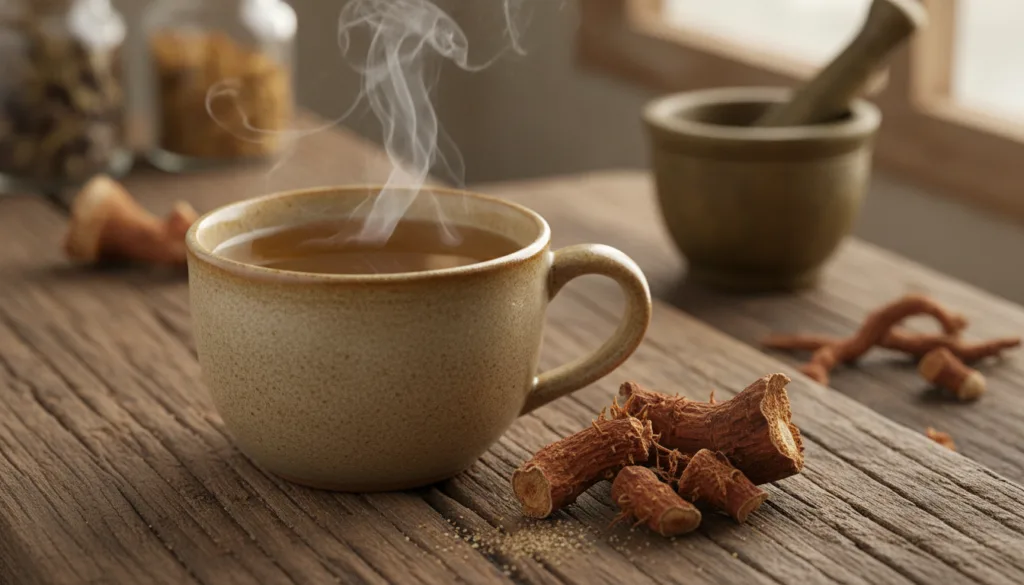
The Prickly Chaff Root decoction is generally consumed as a tea. Its earthy, slightly bitter taste can be mellowed with a hint of honey or lemon, though it’s best to try it plain first.
- General Wellness: Drink one cup per day.
- Digestive Support: Take ½ cup 30 minutes before a meal to aid digestion, or ½ cup after a heavy meal to alleviate discomfort.
- Inflammatory Support: Drink one cup in the morning and one in the evening for consistent benefits.
The best time to take it can vary. For metabolic support, morning on an empty stomach might be ideal. For digestive benefits, timing it around meals is effective. Consistency is more important than the exact time of day for overall wellness goals.
Why It Works (Science Insight)
Prickly Chaff Root’s effectiveness stems from a complex array of bioactive compounds, primarily saponins, triterpenoids, and alkaloids. These compounds work synergistically to provide its traditional benefits.
- Saponins: These natural compounds are thought to contribute to its adaptogenic properties, helping the body manage stress and maintain balance. They may also play a role in cholesterol metabolism.
- Alkaloids (like Achyranthine): These compounds are often responsible for a plant’s therapeutic actions, including anti-inflammatory effects and potential diuretic properties, which can support kidney function and reduce water retention.
- Triterpenoids: These have been studied for their anti-inflammatory, antioxidant, and immunomodulatory activities, contributing to overall cellular health and reducing oxidative stress.
Together, these components support healthy digestion by potentially stimulating digestive enzymes, soothe inflammation in the gut, and offer a gentle cleansing effect on the body. This is why it’s often linked to improved overall metabolic and digestive health, rather than just masking symptoms.
Who Benefits Most
This remedy can be particularly beneficial for several groups:
- Individuals with Mild Digestive Discomfort: Those experiencing occasional bloating, indigestion, or sluggish digestion may find relief.
- People Seeking Natural Inflammatory Support: Due to its anti-inflammatory compounds, it may help alleviate general inflammatory conditions.
- Wellness Enthusiasts: Anyone looking to incorporate traditional herbal remedies into their routine for overall metabolic and immune system support.
- Those Managing Weight: Its traditional use includes supporting healthy metabolism and appetite regulation.
It’s not a “cure-all,” but a supportive herb for maintaining balance.
How Often to Use It
For most general wellness and supportive uses, a single cup of decoction daily is sufficient. For more targeted support, such as digestive issues, you might increase to two smaller doses per day (e.g., ½ cup twice daily). It’s often recommended to use it for a period of 2-4 weeks, then take a break for a week before resuming. This allows your body to re-sensitize and prevents over-reliance.
Before You Brew: Consider Your Needs
Before making Prickly Chaff Root a regular part of your regimen, consider your specific health goals and any existing conditions. Starting with a smaller dose and observing your body’s response is always a wise approach.
How to Buy / How to Choose Ingredients
Since harvesting Prickly Chaff Root yourself can be challenging and requires proper identification, buying from reputable sources is generally recommended.
- Reputable Herbal Suppliers: Look for organic or wild-harvested dried root from trusted online stores or local herb shops.
- Quality Indicators: The dried root pieces should be firm, earthy-smelling, and free from any signs of mold, rot, or insect damage. Avoid anything that looks dusty, discolored, or has an off-odor.
- “Achyranthes aspera”: Always check the botanical name to ensure you’re getting the correct plant.
Storage
Proper storage is crucial to maintain the potency and freshness of your dried Prickly Chaff Root.
- Airtight Container: Store in a glass jar with a tight-fitting lid or a sealed, opaque bag.
- Cool, Dry, Dark Place: Keep it away from direct sunlight, heat, and moisture, which can degrade its active compounds. A pantry or cupboard is ideal.
- Shelf Life: Properly stored, dried Prickly Chaff Root can last for 1-2 years.
Practical Tips
- Consistency is Key: For best results, incorporate the decoction into your daily routine.
- Listen to Your Body: Pay attention to how you feel. If any adverse reactions occur, discontinue use.
- Combine with Healthy Habits: Herbal remedies work best when paired with a balanced diet, adequate hydration, and regular exercise.
- Sweetener Options: If the taste is too strong, a small amount of raw honey or a slice of lemon can improve palatability without diminishing benefits.
Common Mistakes
- Using Too Much: While natural, excessive doses can lead to discomfort. Stick to recommended measurements.
- Insufficient Simmering: Boiling for too short a time won’t extract enough beneficial compounds, resulting in a weak decoction.
- Boiling Too Vigorously: A hard boil can destroy some delicate compounds. A gentle simmer is crucial.
- Using Impure Water: Tap water with chlorine or other chemicals can negatively affect the taste and potentially interact with the herbal compounds.
- Improper Storage: Storing in humid conditions or direct sunlight can lead to mold and loss of potency.
Cautions / Who Should Avoid It
While generally safe for most, Prickly Chaff Root is not suitable for everyone.
- Pregnancy and Breastfeeding: Due to lack of extensive research, pregnant and breastfeeding women should avoid this herb.
- Blood Thinners: Individuals on blood-thinning medications should consult a healthcare professional, as some compounds might interfere with clotting.
- Diabetic Medications: It may lower blood sugar, so diabetics should monitor their levels closely and consult their doctor.
- Kidney Conditions: Its diuretic properties might be too strong for those with pre-existing kidney issues.
- Children: Not recommended for children without professional medical advice.
Always consult with a healthcare provider before starting any new herbal remedy, especially if you have underlying health conditions or are taking medications.
Quick Summary
Prickly Chaff Root offers a traditional path to digestive and inflammatory support. The best preparation is a simple decoction, made by simmering 1-2 tablespoons of dried root in 2 cups of water for 20-30 minutes. Use it daily as a tea, often best around meals for digestive benefits. Store the dried root in an airtight container in a cool, dark place to maintain potency. Avoid use if pregnant, breastfeeding, or on certain medications like blood thinners. It’s a gentle, supportive herb when used correctly.
FAQ
Q: Can I use fresh Prickly Chaff Root instead of dried?
A: While fresh root can be used, it’s often stronger and requires thorough cleaning and processing. Dried root is generally more convenient and has consistent potency.
Q: How long does the decoction last?
A: The decoction is best consumed fresh. You can refrigerate any leftovers in an airtight container for up to 24 hours, but its potency may diminish.
Q: Can I reuse the root pieces for a second brew?
A: While you can, the second brew will be significantly weaker as most beneficial compounds would have been extracted in the first decoction.
Q: What does Prickly Chaff Root taste like?
A: It has an earthy, slightly bitter taste. Many find it palatable, but you can add a touch of honey or lemon if preferred.
Q: Are there any side effects?
A: When used in recommended doses, side effects are rare. Some individuals might experience mild digestive upset. Discontinue use if you notice any adverse reactions.
Q: Can I take Prickly Chaff Root every day long-term?
A: It’s often recommended to use it for a few weeks, then take a break. Long-term continuous use without a break is generally not advised for most herbs.
Q: Where is Prickly Chaff Root typically found?
A: It grows in tropical and subtropical regions around the world, often found in disturbed areas, fields, and along roadsides.
Conclusion
Prickly Chaff Root, often dismissed as a common weed, holds a quiet power for natural wellness. By understanding its proper preparation – a simple decoction – and its thoughtful application, you can harness its traditional benefits for digestive comfort and anti-inflammatory support. It’s a testament to nature’s pharmacy, reminding us that sometimes, the most unexpected remedies are found right underfoot. Always approach with knowledge, respect, and consultation with a health professional, ensuring this ancient wisdom serves your modern well-being safely and effectively.