Unlock Abundant Basil: 10 Simple Steps to Grow a Massive, Flavorful Harvest
Imagine stepping into your garden or kitchen and being greeted by the intoxicating aroma of fresh basil, ready to elevate your pasta, pizza, or pesto. Many gardeners dream of a truly bountiful basil plant, but often end up with leggy, sparse stems instead of the lush, bushy herb they envision. The good news? Cultivating a massive basil harvest isn’t a secret held by master gardeners. It’s an achievable goal with a few key practices.
This guide will walk you through the essential steps to transform a small basil start into a flourishing, productive plant that provides endless fresh leaves for months. We’ll cover everything from proper potting and watering to the crucial art of pinching and harvesting. Get ready to supercharge your basil game and enjoy the rich rewards of your labor!
The Core Principle: Why Basil Wants to Be Bushy
Basil (Ocimum basilicum) is naturally programmed to grow tall, produce flowers, and then set seeds to complete its life cycle. However, as gardeners, we want more leaves, not necessarily seeds. By understanding and gently redirecting the plant’s natural tendencies through strategic care, especially pinching and harvesting, we can encourage it to branch out horizontally rather than just vertically. This creates a dense, bushy plant with far more leaves for you to enjoy.
Your Step-by-Step Guide to Basil Abundance
1. Choose the Right Home: Start with an Appropriate Pot Size
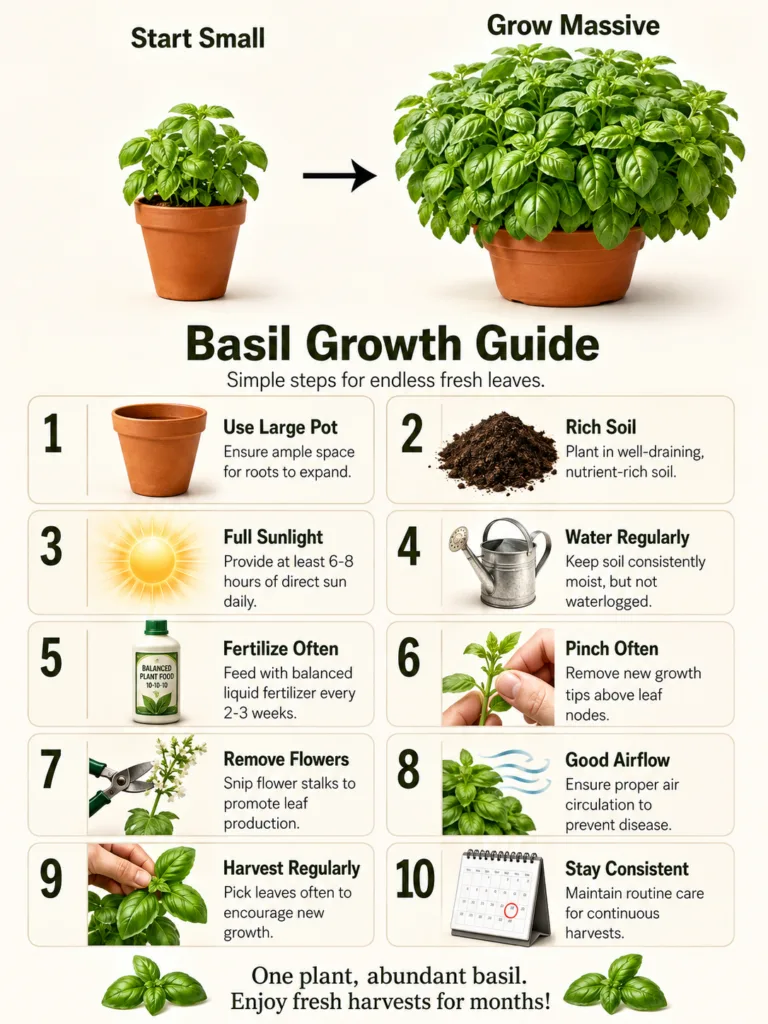
Basil loves room to grow! While you can start seeds in smaller containers, for a single, productive plant, begin with at least a 6-inch diameter pot. For an even more massive plant or multiple basil seedlings, opt for a 10-12 inch pot or larger. Ensure your chosen pot has ample drainage holes to prevent waterlogging, which is detrimental to basil roots.
2. Lay a Strong Foundation: Use Well-Draining Soil
Basil thrives in rich, well-draining soil. A high-quality potting mix formulated for herbs or vegetables is ideal. Avoid heavy garden soil that can become compacted and retain too much moisture, leading to root rot. Good drainage ensures oxygen can reach the roots, which is vital for a healthy plant. If growing in the garden bed, amend heavy clay soils with compost and perlite to improve structure and drainage.
3. Sunlight’s Embrace: Provide Ample Direct Sun
Basil is a sun-worshipper. It needs a minimum of 6-8 hours of direct sunlight per day to grow vigorously and develop its full flavor. Place your basil in a south-facing window indoors or a sunny spot in your garden or patio. Insufficient light will result in leggy, pale plants with smaller, less flavorful leaves. If natural light is scarce, consider supplementing with a grow light for at least 10-12 hours daily.
4. The Art of Hydration: Water Mindfully
Consistent moisture is key for basil, but it despises sitting in soggy soil. Water your basil when the top inch of soil feels dry to the touch. You can test this by gently sticking your finger into the soil. Water thoroughly until you see water draining from the bottom of the pot. In hot weather, this might mean daily watering, while in cooler conditions, it could be every few days. Underwatering leads to wilting, while overwatering can cause root rot and fungal issues.
5. Fueling Growth: Thoughtful Fertilization
While well-amended soil provides initial nutrients, basil is a fast-growing herb and can benefit from occasional feeding. Every 2-3 weeks, during its active growing season, you can use a balanced liquid fertilizer. A general-purpose 10-10-10 (nitrogen-phosphorus-potassium) ratio is suitable, but consider a diluted organic liquid feed or compost tea for herbs. Always follow package directions and avoid over-fertilizing, which can burn roots or lead to excessive leafy growth at the expense of flavor.
6. The Magic of Pinching: Encouraging Bushiness
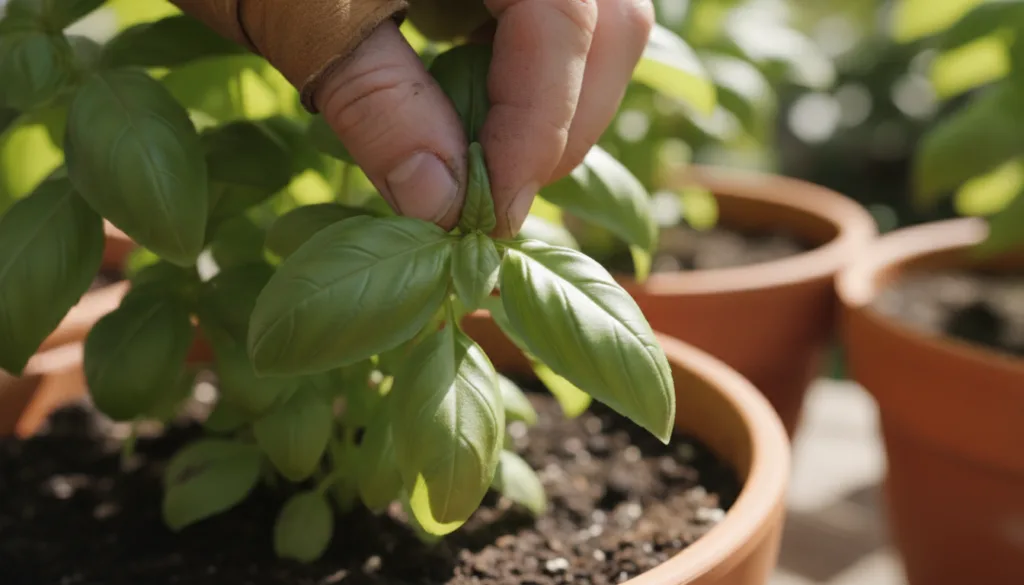
This is arguably the most critical step for achieving a massive basil plant. When your basil plant has developed 3-4 sets of true leaves, begin pinching. Locate the main stem and identify the point just above a set of two small leaves (a node). Pinch or snip off the main stem just above this node. This action removes the terminal growth, which stimulates the two auxiliary buds below to grow into new stems. Repeat this process on new stems as they develop, and your plant will quickly become bushy and full.
7. Prevent Early Flowering: Remove Flower Buds Promptly
As basil matures, it will attempt to produce flower buds. While basil flowers are edible and attract pollinators, allowing them to bloom signals the plant to shift its energy from leaf production to seed production, often making the leaves smaller and less flavorful, sometimes even bitter. As soon as you see tiny flower buds forming, pinch or snip them off immediately. This redirects the plant’s energy back into creating more delicious leaves.
8. Fresh Air, Happy Basil: Ensure Good Airflow
Good air circulation is essential for preventing fungal diseases like powdery mildew or downy mildew, especially in humid conditions. Space your basil plants adequately if growing multiple in a bed or large container. For indoor plants, ensure they are not crowded. Gentle air movement from an open window or a small fan can make a big difference, especially in greenhouses or sheltered outdoor areas.
9. Harvest Smart, Harvest Often: Your Reward
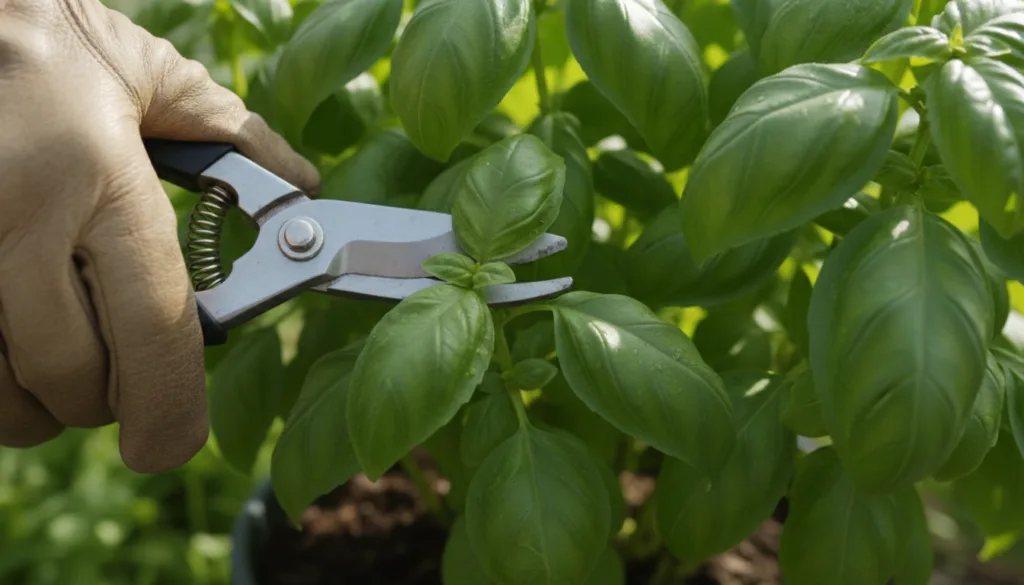
Regular harvesting isn’t just about getting leaves for your kitchen; it’s also a form of pruning that encourages more growth. When harvesting, treat it like another pinching session: cut entire stems just above a leaf node, leaving at least one or two sets of leaves on the plant. Avoid stripping all the leaves from a single stem. The more you harvest in this manner, the more your basil plant will produce. Aim to harvest about a third of the plant at a time for sustained growth.
10. The Power of Routine: Consistency is Key
Gardening is an ongoing conversation with your plants. The steps outlined above aren’t one-time tasks; they are part of a consistent routine. Regularly check your basil for soil moisture, emerging flower buds, and new growth ready for pinching or harvesting. Consistent attention will reward you with a continuous supply of fresh, aromatic basil throughout the growing season.
Regional and Seasonal Considerations for Basil
Basil is a tender annual in most USDA Hardiness Zones (typically 2-9), meaning it will not survive frost and dies back with cold weather. In these regions, plant basil outdoors after all danger of frost has passed in late spring or early summer, when soil temperatures have warmed to at least 60°F (15°C). For gardeners in frost-free Zones 10-11, basil can sometimes behave as a perennial, growing year-round with proper care. Indoors, basil can be grown as a houseplant any time of year, provided it receives adequate light and warmth.
Common Basil Mistakes to Avoid
- Overwatering: Leads to root rot. Always check soil moisture before watering.
- Insufficient Sunlight: Causes leggy growth and weak flavor. Ensure at least 6-8 hours of direct sun.
- Not Pinching/Harvesting: Results in tall, sparse plants that flower prematurely. Be proactive with pruning!
- Allowing to Flower: Reduces leaf production and flavor quality. Snip those buds as soon as they appear.
- Planting Too Early: Cold soil and late frosts can stunt or kill young basil plants. Wait until conditions are consistently warm.
Conclusion: Your Path to Endless Basil
Growing abundant, flavorful basil is a deeply satisfying experience that enriches your culinary endeavors and connects you with the rhythms of the garden. By consistently applying these ten simple steps—from selecting the right pot and providing ample light to the transformative power of pinching and regular harvesting—you’ll encourage your basil to flourish. Say goodbye to those meager, store-bought sprigs and hello to a continuous supply of homegrown goodness. Get started today, and enjoy fresh basil harvests for months to come!