Are you looking for a simple, cost-effective, and organic way to give your garden plants a boost? Look no further than your kitchen waste! Those humble eggshells, often discarded without a second thought, are a powerhouse of essential nutrients, particularly calcium, that can transform your garden into a thriving oasis. At Garden – L. Quyên, we love sharing easy, practical tips to help you grow healthier plants, and today, we’re diving into the magic of DIY eggshell fertilizer!
Why Eggshells Are Your Garden’s Best Friend
Eggshells are primarily composed of calcium carbonate, which is the same ingredient found in agricultural lime. Calcium is a vital macronutrient for plants, playing a crucial role in cell wall development, strengthening plant tissues, and helping plants absorb other nutrients effectively. A calcium deficiency can lead to common issues like blossom end rot in tomatoes and peppers, stunted growth, and weakened stems.
Beyond calcium, eggshells also contain trace amounts of other beneficial minerals like magnesium and phosphorus. When added to your garden, they help:
- Improve soil structure and aeration.
- Balance soil pH, especially in acidic soils.
- Deter certain pests like slugs and snails with their sharp edges.
- Provide a slow-release source of nutrients as they break down.
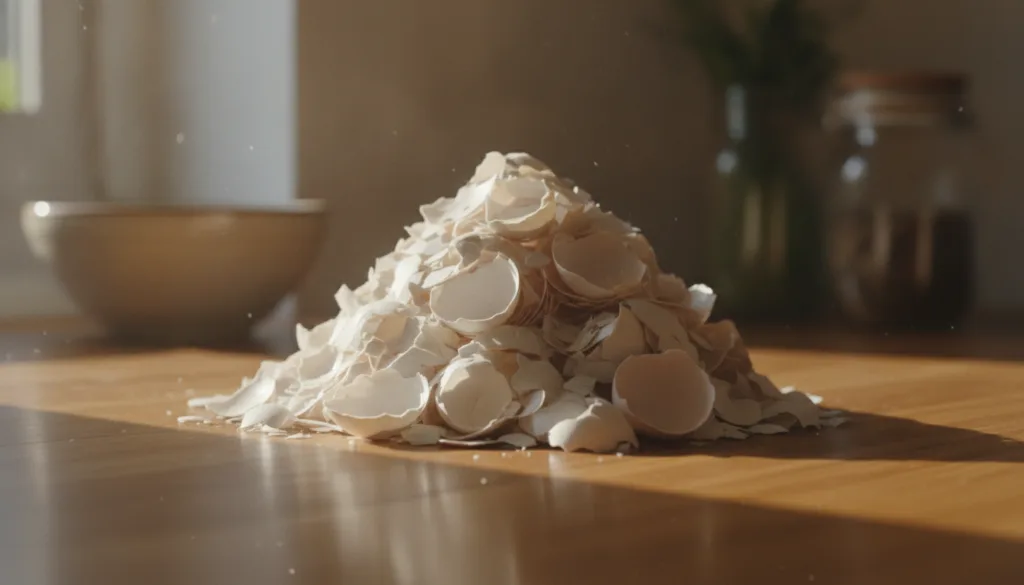
How to Make Your Own Eggshell Fertilizer: A Simple DIY Guide
Making eggshell fertilizer is incredibly easy and requires minimal effort. Here’s how you can do it:
Step 1: Collect and Clean Your Eggshells
Start by collecting your eggshells. Rinse them thoroughly under running water to remove any egg residue. This step is crucial to prevent attracting pests or unpleasant odors as they decompose. You don’t need to remove the membrane, as it contains beneficial nutrients too.
Step 2: Dry the Eggshells
Once rinsed, spread the eggshells on a baking sheet or tray and let them air dry completely for a day or two. You can also speed up the process by baking them in an oven at a low temperature (around 200°F or 90°C) for 10-15 minutes. This also helps to sterilize them and makes them more brittle, which aids in crushing.
Step 3: Crush or Grind into a Fine Powder
The finer the eggshells are ground, the quicker their nutrients will become available to your plants. You have a few options:
- Manual Crushing: Place dried eggshells in a Ziploc bag and crush them with a rolling pin or mallet. This creates larger pieces, which will break down more slowly.
- Blender or Coffee Grinder: For a fine powder, use a dedicated coffee grinder (not one you use for coffee, unless thoroughly cleaned!) or a strong blender. Grind them until they reach a powdery consistency. This is the most effective method for quick nutrient release.
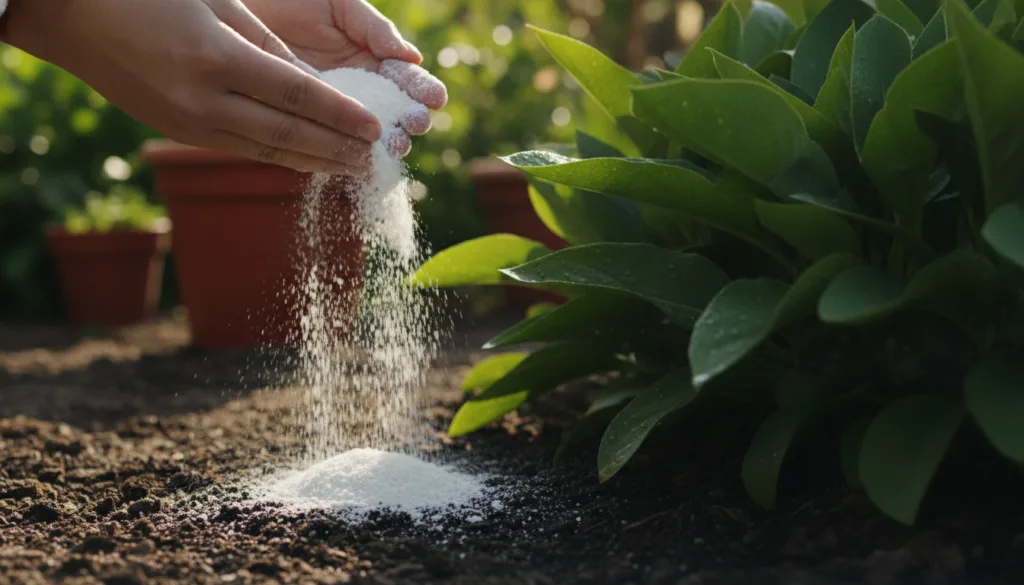
How to Use Your DIY Eggshell Fertilizer
Once you have your eggshell powder, it’s time to put it to use!
1. Soil Amendment for New Plantings
Before planting new seedlings or starting seeds, mix about 1-2 tablespoons of eggshell powder into the soil in each planting hole. This provides a foundational calcium boost for young plants.
2. Top Dressing for Established Plants
For existing plants, sprinkle a generous handful (about 1/4 to 1/2 cup, depending on plant size) of eggshell powder around the base of each plant. Gently work it into the topsoil. Water thoroughly afterward to help the nutrients begin to leach into the soil.
3. Liquid Fertilizer (Eggshell Tea)
For a quicker nutrient delivery, you can make an