Cyanthillium Cinereum: Uncovering the Healing Secrets of a Common Purple Plant
Most people see this common purple plant in fields and simply dismiss it as a weed. Its unassuming flowers blend into the landscape, often overlooked. Yet, for generations, the subtle power of Cyanthillium cinereum has been a valuable secret shared among traditional healers and home remedy enthusiasts. Often referred to as Little Ironweed or Ash-coloured Fleabane, this readily available botanical holds surprising potential that might just change how you view your local flora.
Forget exotic, hard-to-find ingredients. Sometimes, the most potent support grows right in your backyard. This guide will walk you through identifying, preparing, and safely using Cyanthillium cinereum to tap into its traditional wellness properties.
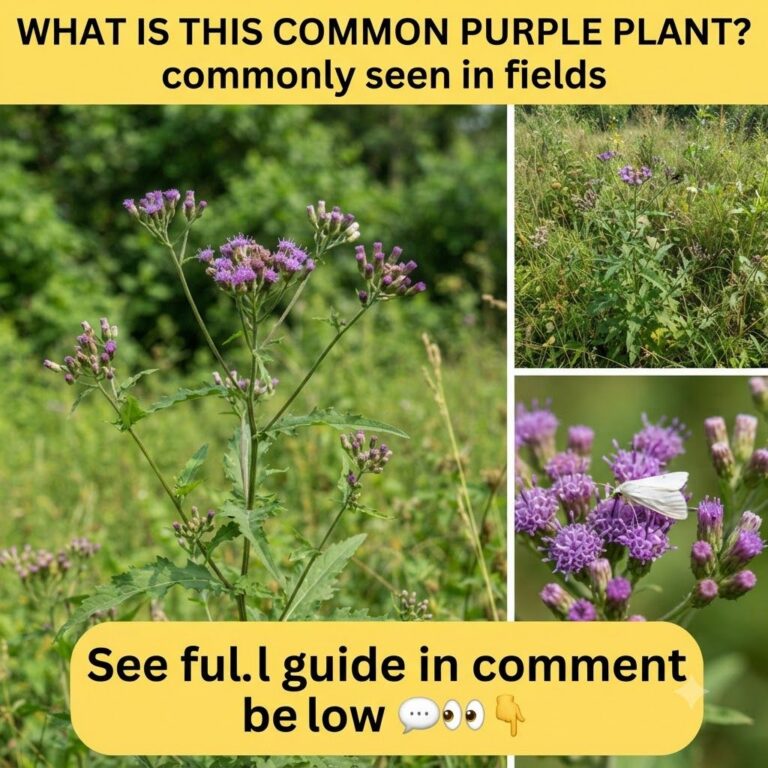
Identify Cyanthillium cinereum by its distinctive purple flowers and leafy structure.
What Is Cyanthillium Cinereum?
Cyanthillium cinereum, previously known as Vernonia cinerea, is a small, erect annual herb belonging to the Asteraceae family. It’s widespread in tropical and subtropical regions across Asia, Africa, and Australia. You’ve likely seen its distinctive purple, thistle-like flowers in open fields, roadsides, and disturbed areas. Despite its common appearance, it has a long history of traditional use in various cultures, valued for its broad spectrum of properties in home remedies.
Ingredients You’ll Need
Fresh or dried Cyanthillium cinereum plant material (leaves and flowers)
Clean water (filtered or distilled is ideal)
Approximate Measurements for a Standard Brew
For Tea/Infusion: 1-2 teaspoons of dried plant material OR 1-2 tablespoons of fresh, chopped plant material per 8 ounces (240ml) of water.
For Topical Paste (Poultice): A handful of fresh leaves and flowers.
Formula / Recipe: Simple Infusion
An infusion (tea) is one of the most common and effective ways to utilize Cyanthillium cinereum for internal support. This gentle preparation allows you to extract the plant’s beneficial compounds.
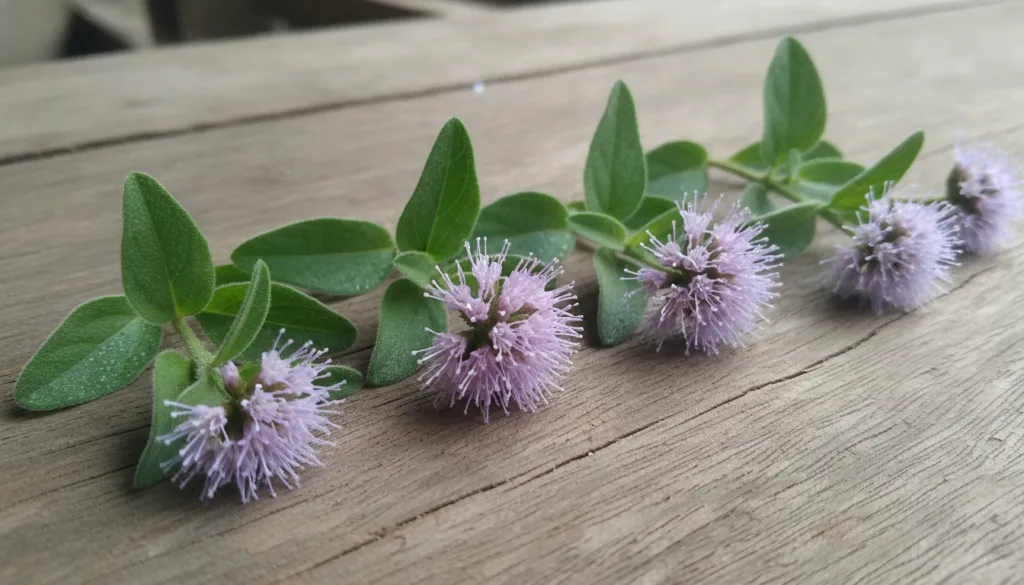
Freshly harvested Cyanthillium cinereum, ready for your home remedies.
Step-by-Step Method for Infusion
Harvest/Prepare: If using fresh plants, gently wash the leaves and flowers under cool running water to remove any dirt or insects. Chop them roughly. If using dried material, no further preparation is needed.
Heat Water: Bring your desired amount of water to a boil.
Combine: Place the chopped fresh plant material or dried material into a heat-safe mug or teapot.
Pour: Pour the hot water over the plant material.
Steep: Cover the mug/teapot to prevent beneficial volatile compounds from escaping. Let it steep for 10-15 minutes. For a stronger brew, steep longer.
Strain: Strain the liquid using a fine-mesh sieve or tea infuser to separate the plant material.
Serve: Enjoy your infusion warm. You can add a touch of honey or lemon if desired.
How to Use
The infusion is typically consumed internally. Traditionally, it’s been used as a general tonic or to support overall wellness. For external use, a stronger infusion can be cooled and used as a topical wash, or fresh crushed leaves can be applied as a poultice.
How Often to Use
For general wellness support, many traditional practices suggest consuming 1-2 cups of the infusion daily. For specific uses, it’s best to consult a knowledgeable herbalist or healthcare professional. Start with a smaller dose to assess your body’s response.
Quick Tip: For a more potent external wash, consider making a decoction by simmering the plant material in water for 15-20 minutes before straining, rather than just infusing.
How to Buy / How to Choose Ingredients
The best way to ensure quality is to either forage Cyanthillium cinereum yourself or source it from a reputable organic supplier. If foraging:
Identify Correctly: Always be 100% certain of your identification. Misidentification can be dangerous.
Location: Choose plants from clean, unpolluted areas, far from roadsides, industrial zones, or areas treated with pesticides.
Harvesting: Gather leaves and flowers. The best time to harvest is typically when the plant is in bloom.
Fresh vs. Dried: Both fresh and dried forms are viable. Fresh offers a vibrant, immediate experience, while dried material is convenient for long-term storage and consistent potency.
Storage
Fresh Plant Material: Use immediately for best results. If you must store it briefly, wrap it in a damp paper towel and place it in a plastic bag in the refrigerator for 1-2 days.
Dried Plant Material: After harvesting, wash and gently pat dry. Lay the leaves and flowers in a single layer on a clean screen or cloth in a well-ventilated, shaded area. Once completely dry and brittle, store them in airtight glass jars away from direct sunlight and humidity. They can last for up to a year.
Prepared Infusion: Store any leftover infusion in a sealed container in the refrigerator for up to 24-48 hours.
Practical Tips
Add to Smoothies: Fresh, young Cyanthillium cinereum leaves can be added in small quantities to green smoothies for an added nutritional boost.
Combine with Other Herbs: This plant can be combined with other complementary herbs like ginger or lemongrass for enhanced flavor and broader support.
Soil Check: When foraging, observe the soil quality. Healthy soil often yields healthier, more potent plants.
Common Mistakes
Misidentification: The biggest mistake is incorrectly identifying the plant. Always cross-reference with reliable botanical guides.
Foraging in Contaminated Areas: Picking plants from roadsides or areas sprayed with chemicals introduces harmful substances into your remedy.
Boiling Instead of Infusing: For delicate plant parts like leaves and flowers, boiling can degrade some beneficial compounds. Infusion (steeping in hot water) is generally preferred.
Improper Drying: Drying too slowly can lead to mold, while drying in direct sunlight can diminish potency.
Overuse: While generally considered mild, moderation is key. Stick to recommended traditional dosages.
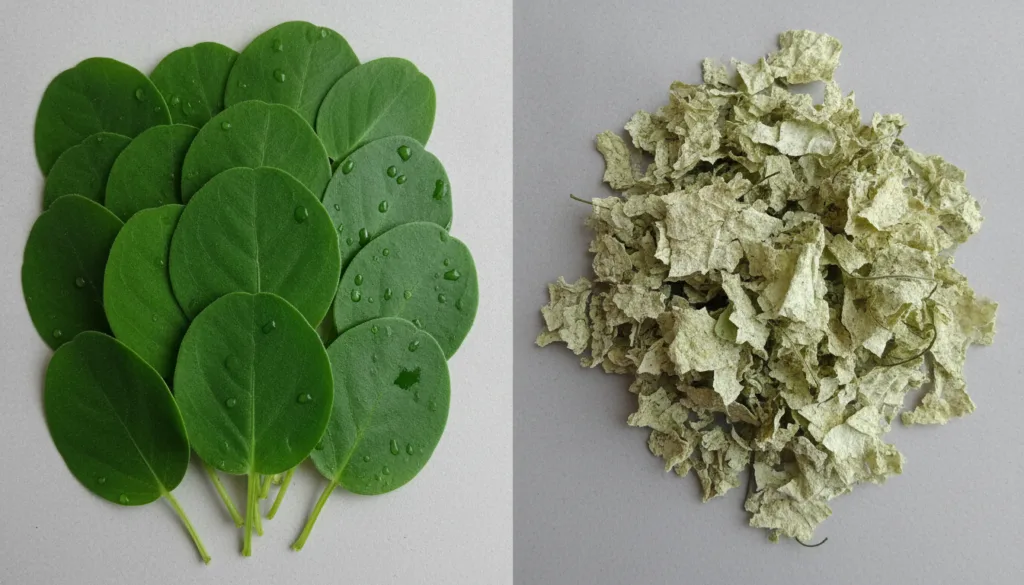
Understanding the difference: Fresh vs. Dried Cyanthillium cinereum.
Fresh vs. Dried: Quick Reference
Feature
Fresh Cyanthillium Cinereum
Dried Cyanthillium Cinereum
Potency
Often considered more vibrant in flavor/aroma
Concentrated flavor, longer shelf life
Storage
Perishable (1-2 days refrigerated)
Long-term (up to 1 year in airtight container)
Preparation
Chop before infusing or use directly for poultices
Crush slightly before infusing
Dosage (Tea)
1-2 tablespoons per 8 oz water
1-2 teaspoons per 8 oz water
Availability
Seasonal (when growing)
Year-round (if properly stored)
Cautions / Who Should Avoid It
While Cyanthillium cinereum is widely used in traditional medicine, it’s important to approach any herbal remedy with caution, especially if you have pre-existing conditions or are on medication. Consult your healthcare provider before incorporating it into your routine if you are:
Pregnant or breastfeeding.
Taking prescription medications, especially those for blood pressure, blood clotting, or diabetes.
Have known allergies to plants in the Asteraceae family (e.g., ragweed, marigolds, chrysanthemums).
Have any chronic health conditions.
Discontinue use if you experience any adverse reactions.
Quick Summary
Best Preparation: Infusion (tea) for internal use, topical wash or poultice for external use.
Best Use-Case: General wellness support, traditional tonic.
Storage: Dried material in airtight jars for up to a year; fresh material for 1-2 days refrigerated; prepared tea for 24-48 hours refrigerated.
When to Use: Daily for general support, or as needed for specific traditional uses.
What to Avoid: Misidentification, foraging from contaminated areas, using without consulting a doctor if pregnant/breastfeeding/on medication.
Yes, both fresh and dried forms can be used. Adjust quantities accordingly (more fresh than dried) as dried material is more concentrated.
How long does the prepared infusion last?
Store the prepared infusion in the refrigerator for up to 24-48 hours. Beyond that, it’s best to brew a fresh batch.
Can I refrigerate fresh leaves?
Yes, fresh leaves can be wrapped in a damp paper towel and stored in a plastic bag in the refrigerator for 1-2 days. For longer storage, drying is recommended.
How often should I use it?
For general wellness, 1-2 cups of infusion daily is a common traditional practice. Always start with a small amount to see how your body reacts.
What part of the plant is best to use?
Traditionally, the leaves and flowers are primarily used for infusions and topical applications.
Can I reuse the plant material after brewing tea?
While some people might try to get a second, weaker brew, the majority of beneficial compounds are extracted in the first steep. For optimal results, use fresh material for each preparation.
When should I avoid Cyanthillium cinereum?
Avoid if pregnant, breastfeeding, on medication, or allergic to plants in the Asteraceae family. Always consult a healthcare professional in these situations.
Is it safe for children?
Traditional uses vary, but it’s generally recommended to consult a pediatrician or qualified herbalist before administering any herbal remedies to children.
The unassuming purple flowers of Cyanthillium cinereum hide a rich history of traditional wellness support. By taking the time to understand this common plant, you can unlock simple, practical remedies right from nature. Whether you choose to forage responsibly or source it carefully, incorporating Little Ironweed into your home remedy toolkit offers a tangible connection to ancient wisdom, providing a gentle yet effective way to support your overall health.