Most people walk past them without a second thought, but the vibrant purple blossoms and unassuming leaves of certain plants hold more traditional wisdom than we often realize. One such botanical gem, Desmodium styracifolium, is a fascinating herb with a rich history in traditional practices. While its beauty is undeniable, it’s the resourceful applications and hidden lore cherished for generations that truly make this plant stand out.
You might be surprised to learn how a simple preparation of this herb can become a valuable addition to your self-care routine. It’s not about complex concoctions; it’s about understanding the basics and integrating nature’s offerings practically into your daily life. Forget vague wellness trends; let’s dive into the actionable steps of incorporating Desmodium styracifolium.
 Desmodium styracifolium: A visual guide to its traditional significance.
What is Desmodium Styracifolium?
Desmodium styracifolium, often referred to by its traditional names, is a perennial herb known for its striking purple flowers and unique seed pods. Belonging to the legume family, this plant is native to specific regions and has been a staple in traditional wellness practices for its specific properties, not just its beauty. Unlike some herbs used for broad tonic effects, Desmodium styracifolium has distinct applications that have been passed down through generations. Its leaves and stems are the primary parts used for remedies.
Did You Know?
Many traditional systems value herbs not just for their active compounds, but also for their energetic properties and how they interact with the body as a whole. Desmodium styracifolium is often appreciated for its balancing qualities.
Ingredients for a Simple Desmodium Preparation
The beauty of traditional remedies often lies in their simplicity. For most applications of Desmodium styracifolium, the main “ingredient” is the herb itself, typically in its dried form. Fresh leaves can also be used, but dried material is more commonly available and convenient for storage and consistent potency.
- Dried Desmodium Styracifolium (leaves and stems)
- Water (filtered or purified is best)
Approximate Measurements
For a standard daily preparation like a tea or decoction, these measurements serve as a good starting point. Adjust based on personal preference and the specific application.
- For Tea: 1-2 teaspoons (approx. 2-5 grams) of dried herb per 8-10 ounces (240-300 ml) of water.
- For Decoction: 1-2 tablespoons (approx. 5-10 grams) of dried herb per 16-20 ounces (480-600 ml) of water.
Formula / Recipe: Desmodium Decoction for Daily Use
A decoction is a method of extraction that involves simmering tough plant materials (like roots, bark, or dense leaves and stems) in water to extract their beneficial compounds. This is often preferred over a simple infusion (tea) for herbs with tougher textures or those that require longer extraction for full potency.
Step-by-Step Method
- Measure the Herb: Place 1-2 tablespoons of dried Desmodium styracifolium into a small saucepan.
- Add Water: Pour 16-20 ounces of filtered water over the herb.
- Bring to a Simmer: Place the saucepan on the stove over medium-high heat and bring the water to a gentle boil.
- Reduce Heat & Simmer: Once boiling, immediately reduce the heat to low, cover the saucepan, and let it gently simmer for 15-20 minutes. The goal is a gentle bubble, not a rolling boil.
- Cool & Strain: Remove the saucepan from the heat and allow the decoction to cool slightly. Strain the liquid into a cup or heat-proof container using a fine-mesh sieve or cheesecloth, discarding the plant material.
- Serve: Your Desmodium styracifolium decoction is ready to use.
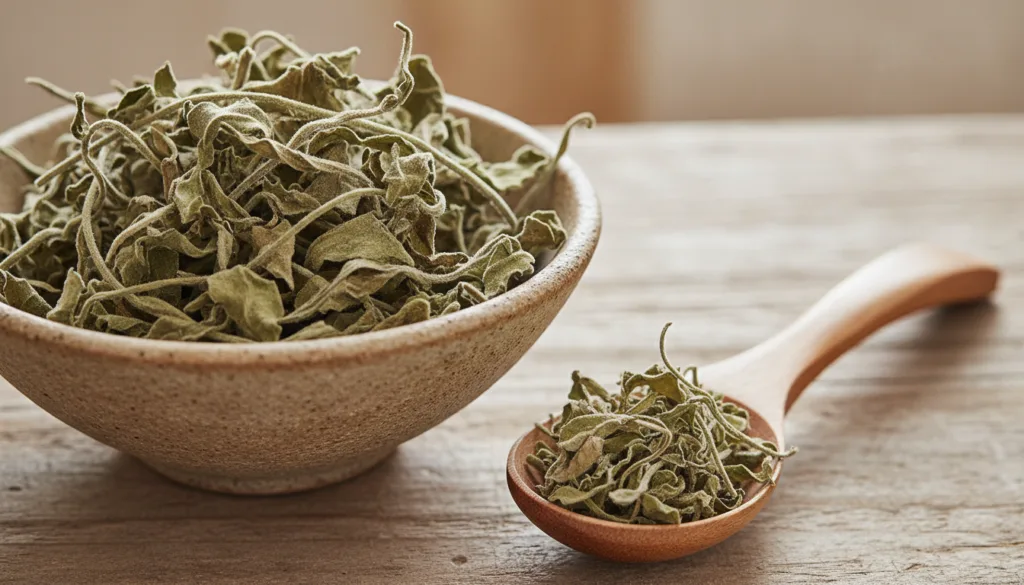 Dried Desmodium styracifolium, ready for a potent decoction.
How to Use Your Desmodium Decoction
The decoction can be consumed warm or at room temperature. It has a mild, earthy flavor that many find palatable on its own. If you prefer, you can add a touch of honey or a squeeze of lemon, though it’s often recommended to experience the natural taste first.
How Often to Use
For general wellness support, a common recommendation is to consume 1 cup of the decoction once or twice a day. It’s always wise to start with a smaller amount and observe how your body responds before increasing frequency or dosage. Consistency is key when incorporating herbal remedies.
How to Buy / How to Choose Ingredients
Sourcing quality herbs is crucial for effective remedies. Here’s what to look for when purchasing Desmodium styracifolium:
- Reputable Suppliers: Purchase from trusted herbal suppliers or apothecaries who can provide information on sourcing and quality control.
- Organic & Wild-Harvested: Opt for organic or sustainably wild-harvested herbs to avoid pesticides and ensure ethical collection.
- Visual Inspection: The dried herb should look clean, free from mold, insects, or excessive dust. The color should be natural, not faded or overly dull.
- Form: Typically sold as cut and sifted dried leaves and stems, which is ideal for decoctions.
Fresh vs. Dried Desmodium Styracifolium
FeatureFresh Desmodium StyracifoliumDried Desmodium StyracifoliumAvailabilitySeasonal, regionalYear-round, widely availablePotencyPotentially higher volatile compounds, but less stableStable, concentrated, consistent potencyPreparationCan be used for tea/decoction, but needs more volumeIdeal for decoctions, easy to measureStoragePerishable, short shelf life (days)Long shelf life (1-2 years)ConvenienceRequires immediate useReady-to-use, easy to store
Storage
Proper storage ensures the longevity and potency of your Desmodium styracifolium and its preparations.
- Dried Herb: Store in an airtight container (like a glass jar) in a cool, dark, and dry place. Keep away from direct sunlight, heat, and moisture, which can degrade its compounds. It can last 1-2 years when stored correctly.
- Decoction: Once prepared, the decoction can be stored in an airtight glass bottle in the refrigerator for up to 2-3 days. Discard any unused portion after this time to prevent spoilage.
Practical Tips
- Start Slow: Introduce the herb gradually to allow your body to adjust.
- Listen to Your Body: Pay attention to how you feel and adjust usage as needed.
- Consistency: Regular, moderate use is generally more beneficial than sporadic, high-dose use for traditional wellness support.
- Quality Water: Using filtered water can enhance the taste and purity of your decoction.
- Taste Customization: If the taste is too earthy for you, try adding a small amount of ginger, mint, or a natural sweetener like stevia leaf or a tiny bit of raw honey.
Common Mistakes
Even with simple remedies, a few common errors can reduce their effectiveness or lead to less desirable outcomes.
- Boiling Too Vigorously: A hard boil can destroy delicate compounds. Always aim for a gentle simmer.
- Not Simmering Long Enough: For a decoction, a minimum of 15-20 minutes of simmering is needed to extract beneficial compounds from the tougher plant parts.
- Using Impure Water: Tap water with chlorine or other chemicals can affect the quality and taste of your remedy.
- Improper Storage: Exposing dried herbs to light, heat, or humidity will rapidly diminish their potency. Storing decoctions for too long will lead to spoilage.
- Overdosing: More is not always better. Stick to recommended dosages to avoid potential discomfort.
- Using Sprayed Plants: Always ensure your herb is organic or free from harmful pesticides and chemicals.
Cautions / Who Should Avoid It
While generally considered safe for most people in moderate amounts, it’s always prudent to exercise caution with any herbal remedy.
- Pregnancy and Breastfeeding: Limited research is available. It’s best to avoid use during pregnancy and breastfeeding or consult a healthcare professional.
- Underlying Health Conditions: If you have any chronic health conditions, especially liver or kidney issues, or are on prescription medications, consult your doctor before using Desmodium styracifolium. It could interact with certain drugs.
- Children: Its use in children is not well-documented; seek professional advice before administering.
- Allergies: If you have allergies to plants in the legume family, proceed with caution or avoid.
Quick Summary
- Best Preparation: Decoction for optimal extraction from stems and leaves.
- Best Use-Case: Traditional daily wellness support.
- Storage: Dried herb in airtight container (cool, dark, dry); decoction refrigerated for up to 3 days.
- When to Use: 1-2 cups daily, ideally between meals.
- What to Avoid: Vigorous boiling, short simmering times, improper storage, and overuse. Consult a doctor if pregnant, breastfeeding, or on medication.
FAQ
- Can I use fresh Desmodium styracifolium?
- Yes, fresh leaves can be used, but you’ll need a larger quantity. Dried is more convenient and stable.
- How long does the decoction last?
- Store in the refrigerator for up to 2-3 days.
- Can I refrigerate the dried herb?
- No, refrigeration is usually not necessary and can introduce moisture. Store in a cool, dry pantry.
- How often should I use it?
- Typically once or twice daily, but start slow and observe your body’s response.
- What part of the plant is best?
- The leaves and stems are traditionally used for remedies.
- Can I reuse the steeped herb material?
- While some herbs can be re-steeped, for a decoction, the compounds are largely extracted in the first simmer. Reusing may yield a very weak brew.
- When should I avoid it?
- Avoid if pregnant, breastfeeding, on medication, or with serious underlying health conditions without consulting a doctor.
- Is there a specific time of day to drink it?
- It can be consumed anytime, though some prefer it in the morning or early afternoon.
Conclusion
Desmodium styracifolium offers a simple, accessible way to connect with traditional herbal practices. By understanding how to properly prepare and use this humble plant, you can confidently incorporate it into your daily routine. Remember that the power of natural remedies often lies in consistent, mindful use and respecting the guidance passed down through generations. Always prioritize quality ingredients and listen to your body’s unique needs.