Most people associate hibiscus with beautiful flowers and tropical landscapes, but they often overlook its potent use as a vibrant, health-supporting infusion. While the blooms are a sight to behold, it’s the dried calyces that herbalists and home remedy enthusiasts prize for creating a tart, refreshing drink. One small preparation mistake, however, can ruin the whole batch, leaving you with a watery, bland brew instead of a rich, ruby-red elixir.
This guide cuts through the common misconceptions to show you exactly how to craft a perfect homemade hibiscus infusion. We’ll cover everything from selecting the best dried flowers to the ideal brewing time and smart storage techniques, ensuring your infusion is always potent and delicious.
What It Is: Your Daily Dose of Hibiscus
A hibiscus infusion, often called hibiscus tea, is a herbal drink made by steeping dried hibiscus (Hibiscus sabdariffa) calyces in hot water. The calyces are the part of the flower that supports the petals and contains the seeds, and they are rich in natural acids, antioxidants, and a striking red pigment. The result is a tart, cranberry-like beverage that can be enjoyed hot or cold and serves as a base for many refreshing drinks.
Ingredients for a Basic Hibiscus Infusion
- Dried Hibiscus Calyces: The core ingredient. Look for vibrant, deep red dried flowers.
- Water: Filtered water is best to avoid any off-flavors from tap water chemicals.
- Optional Sweetener: Honey, maple syrup, or stevia, to taste.
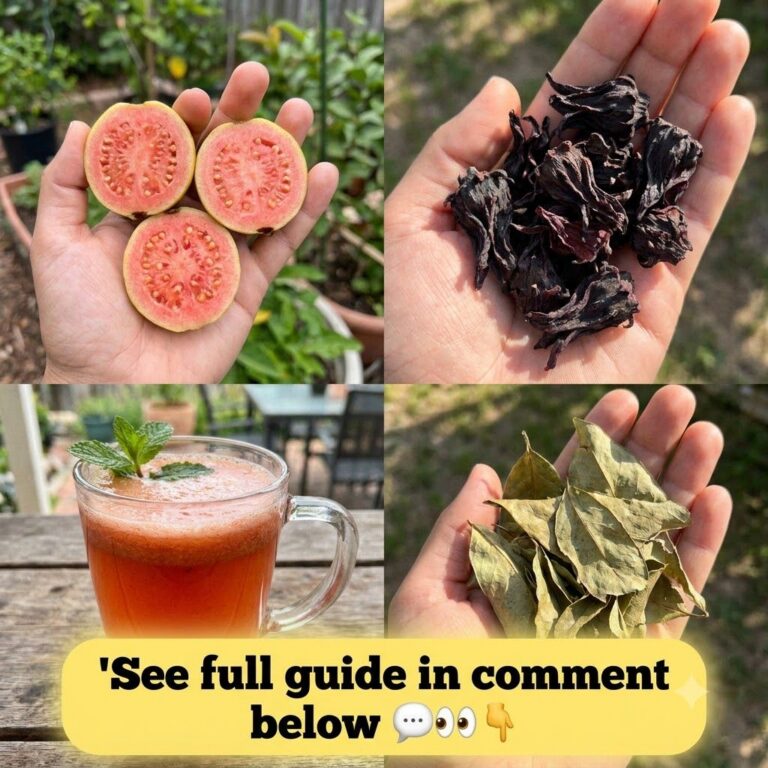
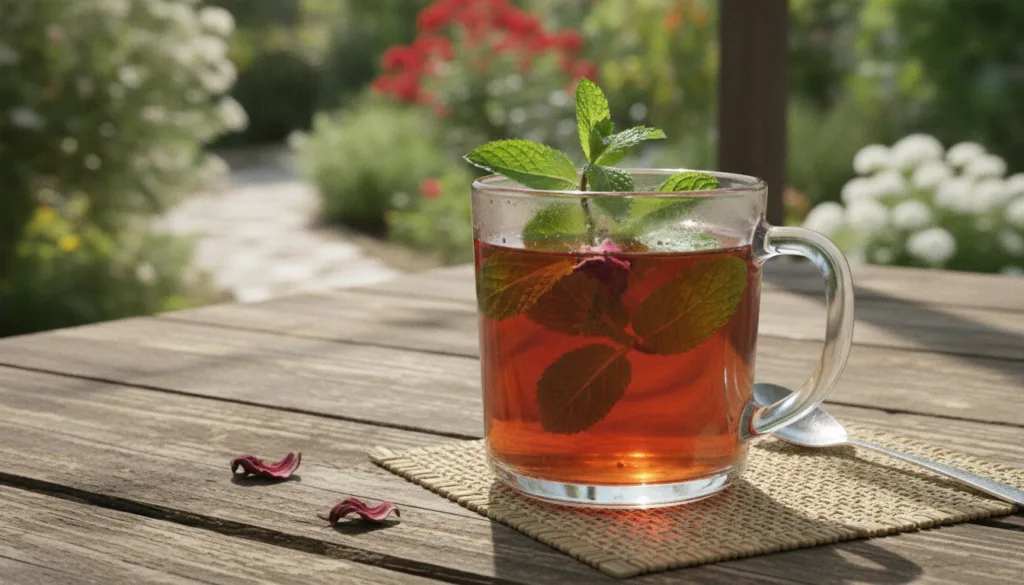
- Optional Flavor Enhancers: A few mint leaves, a slice of ginger, or a squeeze of lime can elevate the flavor. (As seen in the source image, mint can be a great addition!)
Approximate Measurements
- Hibiscus: 2 tablespoons (about 5-7 grams) of dried hibiscus calyces per 1 cup (240 ml) of water.
- Water: As needed, depending on how much infusion you want to make.
- Sweetener: Start with 1 teaspoon per cup, adjust to taste.
Formula / Recipe: Classic Hibiscus Infusion
This simple formula yields a robust, flavorful hibiscus infusion perfect for any time of day.
- Combine dried hibiscus with water.
- Steep for 5-10 minutes (hot infusion) or 4-8 hours (cold brew).
- Strain the infusion to remove the hibiscus calyces.
- Sweeten and flavor as desired.
Step-by-Step Method: Hot Infusion
- Measure Ingredients: For every cup of water, measure out 2 tablespoons of dried hibiscus calyces.
- Heat Water: Bring your filtered water to a rolling boil.
- Combine: Place the dried hibiscus into a heat-proof pitcher, teapot, or directly into a mug. Pour the hot water over the hibiscus.
- Steep: Cover the container to trap the heat and volatile compounds. Let it steep for 5 to 10 minutes. For a stronger, more tart flavor, you can steep longer, but be mindful that prolonged steeping can sometimes lead to a slightly bitter taste.
- Strain: Use a fine-mesh strainer to separate the liquid from the hibiscus calyces. Press lightly on the spent calyces to extract any remaining liquid.
- Serve: Your hot hibiscus infusion is ready. Add sweetener or flavor enhancers if desired.
Did You Know?
Hibiscus is naturally caffeine-free, making it an excellent alternative to coffee or black tea for those looking to reduce their caffeine intake. Its vibrant color comes from anthocyanins, the same powerful compounds found in berries.
How to Use Your Homemade Hibiscus Infusion
This versatile infusion can be enjoyed in several ways:
- Hot Tea: A comforting warm beverage, especially on cooler days.
- Iced Tea: Allow the infusion to cool, then pour over ice. This is one of the most popular ways to enjoy it, and perfect for hot weather.
- Base for Cocktails/Mocktails: Its tartness makes it an excellent mixer.
- Flavoring for Smoothies or Popsicles: Add a refreshing twist to your favorite frozen treats.
How Often to Use
Hibiscus infusion can be enjoyed daily. Most people drink 1-3 cups per day, depending on personal preference and desired effects. As with any herbal remedy, moderation and listening to your body are key.
How to Buy / How to Choose Ingredients
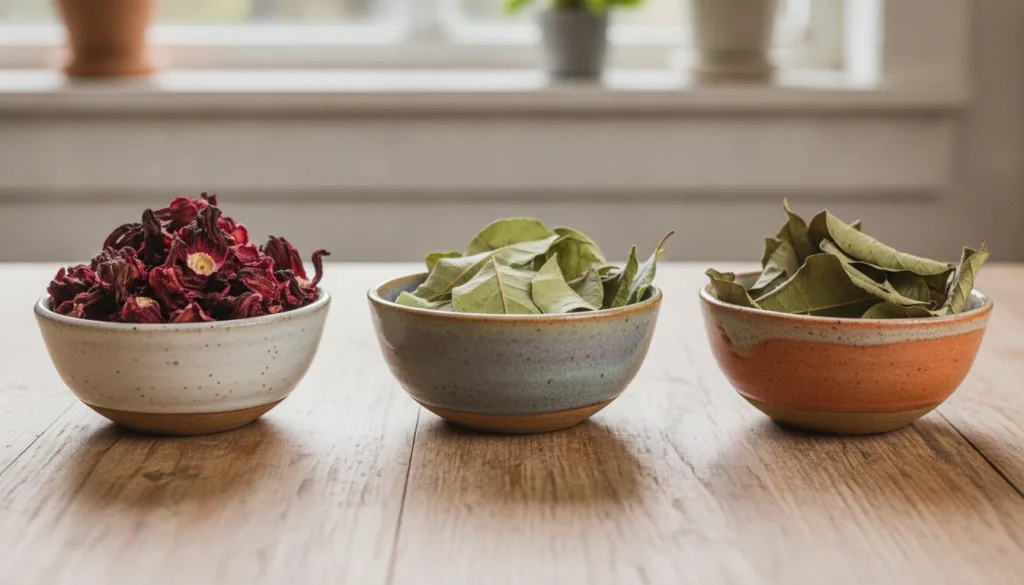
The quality of your dried hibiscus significantly impacts your infusion. Look for:
- Whole, Intact Calyces: Avoid overly broken or dusty material.
- Vibrant Color: Good quality dried hibiscus should retain a deep, rich red color. Dull or brownish calyces may indicate older or poorly stored product.
- Reputable Source: Purchase from organic suppliers or reputable herbal stores to ensure the product is free from pesticides and contaminants.
- Aroma: It should have a slightly tart, fruity aroma.
Fresh vs. Dried Hibiscus
| Feature | Dried Hibiscus Calyces | Fresh Hibiscus Flowers |
|---|---|---|
| Availability | Year-round, easy to store | Seasonal, perishable |
| Potency | Concentrated flavor & color | Milder, requires more volume |
| Preparation | Standard infusion method | Can be used, but calyces are preferred for infusions |
| Cost | Generally more economical for infusions | More expensive per usage |
| Best Use | Teas, infusions, tinctures | Garnishes, fresh salads (specific varieties) |
Storage: Keep it Fresh
Proper storage ensures your hibiscus infusion stays potent and safe to drink.
- Dried Hibiscus: Store in an airtight container in a cool, dark, dry place away from direct sunlight and humidity. It can last for 1-2 years when stored correctly.
- Prepared Infusion: Once brewed, store your hibiscus infusion in a sealed container in the refrigerator for up to 3-5 days. Beyond this, it can start to lose flavor and freshness.
Practical Tips for the Best Infusion
- Use Filtered Water: Chlorine and other tap water impurities can affect the taste.
- Cover While Steeping: This helps retain heat and keeps beneficial volatile compounds from escaping with the steam.
- Don’t Over-Steep for Too Long: While more time means stronger flavor, excessively long steeping (e.g., over 15 minutes) can sometimes extract bitter notes. Experiment to find your perfect balance.
- Sweeten After Brewing: Add honey, sugar, or other sweeteners to the warm infusion after straining.
- Chill Quickly: If making iced tea, chill the hot infusion rapidly to preserve its fresh taste.
Related Remedy:
If you’re interested in other refreshing and beneficial herbal preparations, you might enjoy our guide on How to Make Soursop Leaf Tea, another traditional favorite.
Common Mistakes to Avoid
- Using Old or Discolored Hibiscus: This results in a weak flavor and dull color. Always check the freshness of your dried calyces.
- Boiling the Hibiscus: Boiling dried hibiscus directly for an extended period can destroy some delicate compounds and lead to a more astringent taste. Steeping in hot water is preferred.
- Not Straining Properly: Leaving calyces in the infusion can lead to over-extraction and bitterness.
- Storing in Direct Sunlight: This degrades the color and potency of both dried hibiscus and prepared infusions.
- Using Sprayed Plants: Always ensure your hibiscus is food-grade and free from pesticides.
Cautions / Who Should Avoid It
While generally safe for most adults, there are a few considerations for hibiscus infusion:
- Blood Pressure Medication: Hibiscus can naturally lower blood pressure. If you are on medication for high blood pressure, consult your doctor as it may amplify the effects.
- Pregnancy and Breastfeeding: Limited research exists, so it’s generally advised to avoid or use with caution during pregnancy and breastfeeding.
- Diabetes Medication: Hibiscus may affect blood sugar levels, so monitor carefully if you have diabetes.
- Interactions: It may interact with certain medications, including some anti-malarial drugs. Always consult a healthcare professional if you have underlying health conditions or are taking medications.
Quick Summary
Making a homemade hibiscus infusion is simple and rewarding. Use 2 tablespoons of dried hibiscus per cup of boiling water, steep for 5-10 minutes, and strain. Store dried hibiscus in an airtight container in a cool, dark place, and prepared infusion in the refrigerator for 3-5 days. Avoid old hibiscus, boiling directly, and improper storage. Always be mindful of potential interactions with medications, especially those for blood pressure.
FAQ
- Can I use fresh hibiscus flowers for tea? While you can, dried hibiscus calyces are generally preferred for their concentrated flavor, color, and ease of preparation in infusions.
- How long does homemade hibiscus infusion last? It lasts up to 3-5 days when stored properly in the refrigerator.
- Can I refrigerate dried hibiscus flowers? No, it’s best to store dried hibiscus in a cool, dark, dry pantry to prevent moisture absorption and spoilage.
- How often should I drink hibiscus tea? 1-3 cups daily is common, but adjust based on personal preference and how your body responds.
- What part of the hibiscus plant is used for tea? The dried calyces (the cup-shaped structure that supports the petals) of the Hibiscus sabdariffa plant are used.
- Can I reuse the hibiscus calyces after brewing? While some flavor might remain, the potency will be significantly diminished after the first steep. It’s generally not recommended for a strong second brew.
- When should I avoid hibiscus tea? Avoid or consult a doctor if pregnant, breastfeeding, on blood pressure medication, or diabetic due to potential interactions.
Conclusion
Mastering the art of homemade hibiscus infusion is a simple yet powerful way to bring a vibrant, flavorful, and beneficial drink into your daily routine. By following these practical steps and avoiding common pitfalls, you can consistently brew a delicious and potent hibiscus tea. It’s a testament to how straightforward natural remedies can be when you know the right approach.
Continue with: Our Top Herbal Tea Storage Hacks for maximizing freshness and potency.