Imagine plucking a sun-kissed, fragrant lemon right from your own backyard, its juice ready to brighten your favorite recipes or a refreshing drink. The dream of a flourishing lemon tree, heavy with golden fruit, is within reach for every gardener. And the secret ingredient? It might just be hiding in your own backyard or kitchen scraps: homemade compost!
At Garden – L. Quyên, we believe in nurturing nature to nurture ourselves. Today, we’re diving into how the magic of homemade compost can transform your lemon tree, leading to an abundance of delicious, homegrown lemons. Say goodbye to struggling plants and hello to a vibrant, fruitful garden!
Why Your Lemon Tree Needs Compost
Compost isn’t just ‘dirt’; it’s a powerhouse of organic matter that dramatically improves soil health. For thirsty and hungry lemon trees, which are known for being heavy feeders, compost offers a multitude of benefits:
- Nutrient Boost: Compost provides a slow-release source of essential nutrients like nitrogen, phosphorus, and potassium, as well as vital micronutrients, promoting strong growth and abundant fruit production.
- Improved Soil Structure: It loosens heavy clay soils, allowing for better root penetration and drainage, and helps sandy soils retain more water and nutrients.
- Enhanced Water Retention: Organic matter acts like a sponge, holding moisture in the soil, which is crucial for lemon trees, especially during dry spells.
- Beneficial Microbes: Compost introduces a thriving community of microorganisms that help break down nutrients, fight off soil-borne diseases, and create a healthy root environment.
- pH Balance: While lemon trees prefer slightly acidic soil, compost helps to buffer soil pH, creating a more stable and favorable growing environment.
Crafting Your Own Lemon-Loving Compost
Making compost is a rewarding and sustainable practice. It diverts waste from landfills and provides your plants with the best possible food. Here’s how to get started on your own batch:
The Basics: Greens and Browns
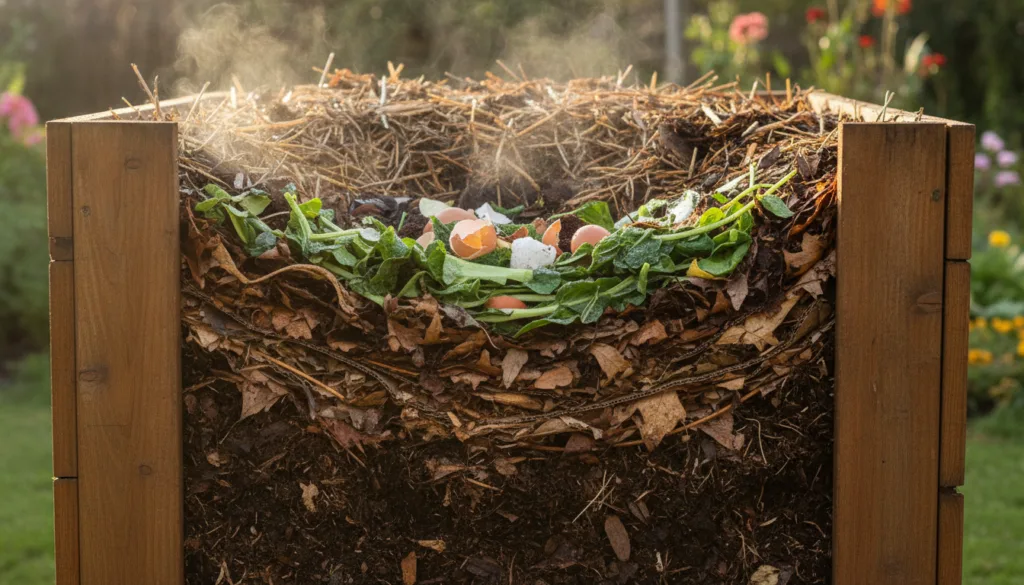
A balanced compost pile needs a mix of ‘greens’ (nitrogen-rich) and ‘browns’ (carbon-rich). Aim for roughly a 1:2 ratio of greens to browns for optimal decomposition.
- Greens: Fruit and vegetable scraps, coffee grounds, tea bags, fresh grass clippings, plant trimmings, and eggshells.
- Browns: Dried leaves, straw, shredded newspaper or cardboard, wood chips, and sawdust.
Composting for Lemon Trees: Specifics
- Citrus Peels: Yes, you can add lemon, orange, and other citrus peels to your compost! Just be mindful not to add huge quantities at once, as they can be slower to break down and might attract pests if not buried properly. Chop them into smaller pieces to speed up decomposition.
- Coffee Grounds: Excellent ‘green’ material, coffee grounds add nitrogen and can slightly acidify the soil, which lemon trees appreciate.
- Eggshells: Crushed eggshells add calcium, an important nutrient for cell wall development in plants.
The Process: Layer, Moisten, Turn
- Choose Your Spot: A shady or semi-shady spot is ideal to prevent the pile from drying out too quickly.
- Start with Browns: Lay down a base layer of coarse brown material for good air circulation.
- Layer Up: Alternate layers of greens and browns. Each layer should be a few inches thick.
- Keep it Moist: The pile should be damp, like a wrung-out sponge, but not soggy. Add water if it looks dry.
- Turn Regularly: Every week or two, turn your compost pile with a pitchfork. This aerates the pile, speeds up decomposition, and ensures even breakdown. You’ll know it’s working when the center of the pile feels warm.
Your compost is ready when it’s dark brown, crumbly, and has an earthy smell, with no recognizable original materials.
Applying Compost to Your Lemon Tree for Bountiful Harvests
Once your compost is ready, it’s time to treat your lemon tree!
- Timing: The best times to apply compost are in late winter/early spring before new growth begins, and again in late summer/early fall after the main harvest.
- How Much: For mature trees, a 1-2 inch layer of compost spread around the drip line (the edge of the canopy) is usually sufficient. For younger trees, apply a thinner layer.
- Method: Gently rake away any mulch, spread the compost evenly, and then replace the mulch on top. Avoid piling compost directly against the trunk, as this can lead to rot.
- Top Dressing: Simply spread the compost on the soil surface, allowing rain and watering to carry nutrients down to the roots.
- Mulch Layer: Compost also works wonderfully as a component of your mulch layer, slowly releasing nutrients as it breaks down further.
Beyond Compost: Other Tips for Healthy Lemon Trees
While compost is a game-changer, remember that a holistic approach ensures the best results:
- Sunlight: Lemon trees need at least 6-8 hours of direct sunlight per day.
- Watering: Water deeply and regularly, especially during dry periods, ensuring the soil drains well. Avoid waterlogging.
- Pruning: Prune to remove dead or diseased branches, improve air circulation, and shape the tree.
- Pest Control: Monitor for common pests like aphids or scale and address them with organic solutions like neem oil or insecticidal soap.
Embracing homemade compost is a powerful step towards a more sustainable and fruitful garden. Not only will you be reducing waste, but you’ll also be providing your lemon tree with the best possible nourishment, leading to a truly abundant harvest. So, roll up your sleeves, start your compost pile, and get ready to enjoy the sweet rewards of your labor!
Happy gardening!