Looking for a simple DIY idea to support a smoother, more radiant-looking complexion? This home remedy combines two common household items, Vaseline and baking soda, into a topical paste.
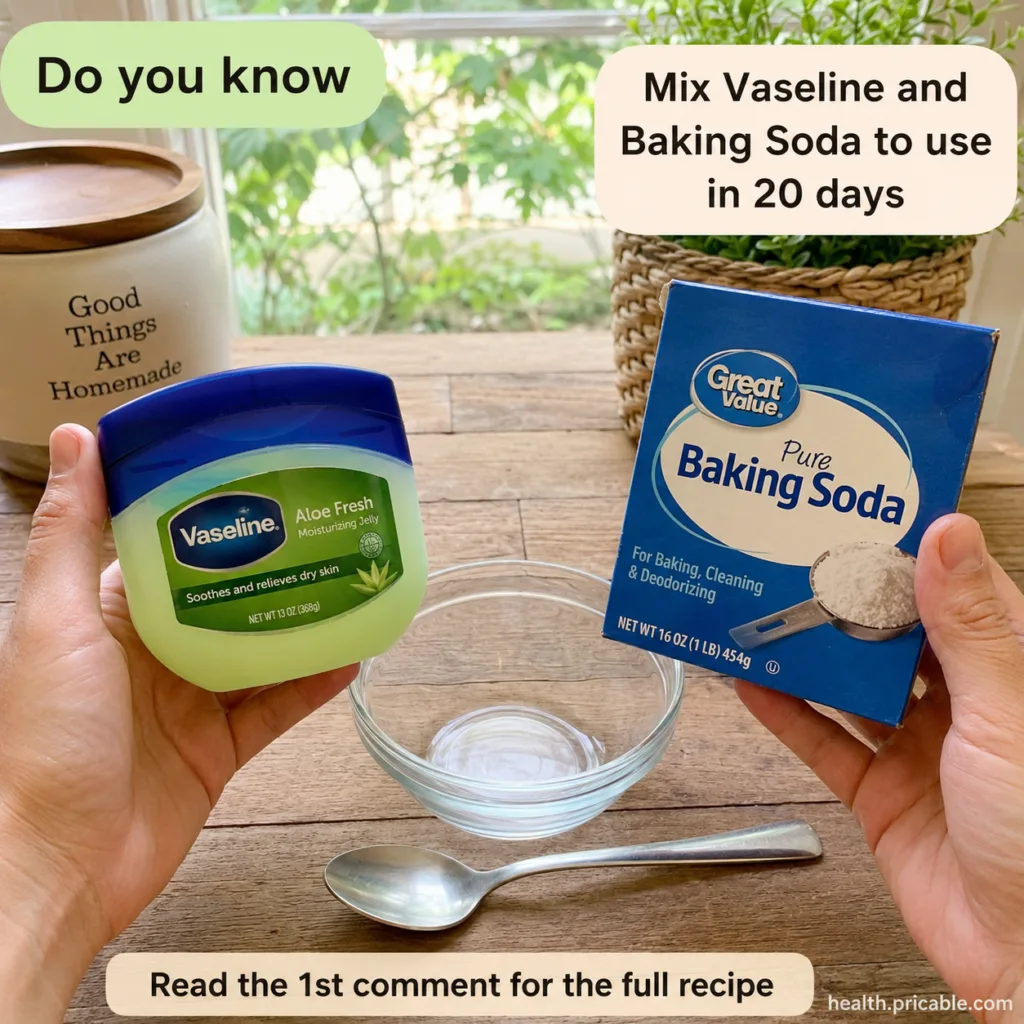
Quick Recipe
Prep time: 5 minutes
Best for: Dull-looking skin, supporting smoother skin appearance
Use type: Topical paste
Main ingredients:
- Vaseline Petroleum Jelly
- Baking Soda
Ingredients
- 1 teaspoon Vaseline Petroleum Jelly (original or aloe variety)
- ½ teaspoon Baking Soda (pure bicarbonate of soda)
How to Make It
- In a small, clean, non-metallic bowl, place 1 teaspoon of Vaseline.
- Add ½ teaspoon of baking soda to the Vaseline.
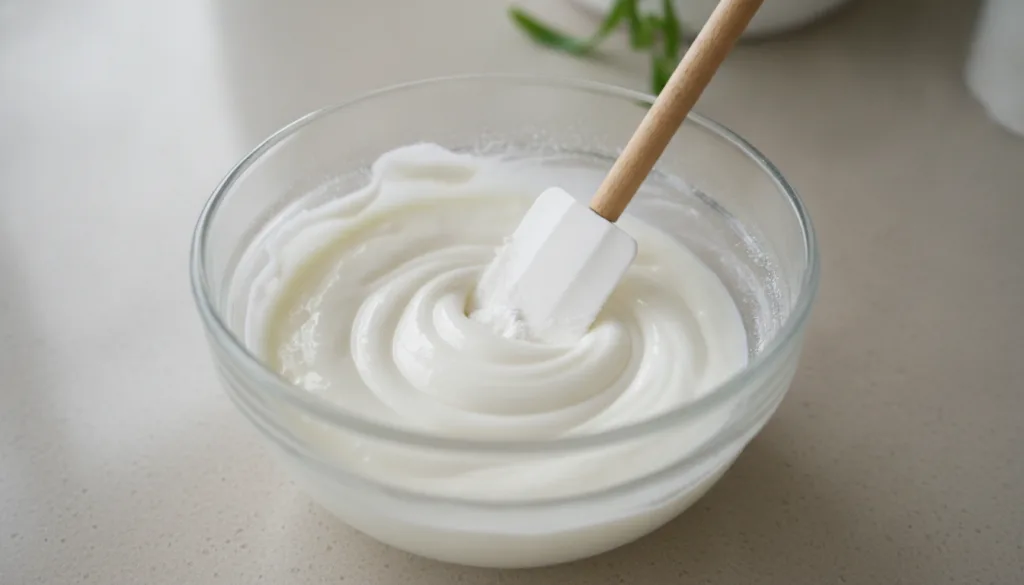
- Using a clean spoon or spatula, mix the two ingredients thoroughly until a smooth, consistent paste forms. Ensure there are no grainy lumps of baking soda.
How to Use It
- Perform a patch test: Before applying to your face or a larger area, apply a tiny amount of the paste to an inconspicuous area of your skin, such as behind your ear or on your inner arm. Wait 24 hours to check for any redness, irritation, or discomfort.
- Cleanse your skin: Gently wash your face with a mild cleanser and pat it dry.
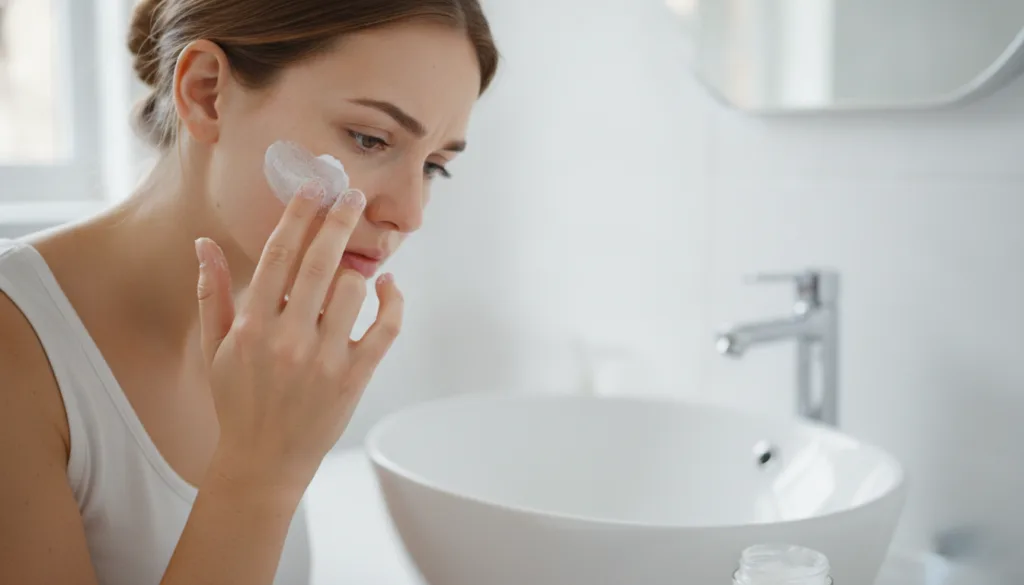
- Apply the paste: Using clean fingertips, delicately apply a thin layer of the Vaseline and baking soda paste to the desired areas of your skin. Avoid sensitive areas like around the eyes and lips. Do not rub vigorously.
- Leave on briefly: Leave the paste on for no more than 3-5 minutes for your first few applications. If your skin tolerates it well, you may extend the time to a maximum of 10 minutes.
- Rinse thoroughly: Gently rinse off the paste with lukewarm water, ensuring all traces are removed. Pat your skin dry with a soft towel.
- Moisturize: Follow up with your regular, gentle moisturizer to hydrate and soothe your skin.
How Often to Use It
Due to the exfoliating nature of baking soda, this remedy should be used sparingly. Start with once a week for sensitive skin, or up to twice a week for less sensitive areas. Listen to your skin and reduce frequency if any irritation occurs.
Why These Ingredients Are Used
Vaseline Petroleum Jelly
Vaseline is a popular occlusive moisturizer that helps create a protective barrier on the skin. This barrier can lock in moisture, prevent water loss, and support the skin’s natural healing process, leading to a softer, more hydrated feel. It’s often used to help improve the appearance of dry, flaky skin.
Baking Soda
Baking soda (sodium bicarbonate) is a mild abrasive that is sometimes used in DIY beauty for its exfoliating properties. When mixed into a paste, it can help gently buff away dead skin cells from the surface, which may contribute to a brighter and smoother-looking complexion. Its alkaline nature is also sometimes explored for balancing purposes, though this requires careful application on skin.
What Results to Expect
With careful and consistent use, this Vaseline and baking soda paste may help your skin feel smoother to the touch and appear more radiant. The gentle exfoliation from baking soda can help reveal fresher-looking skin, while the Vaseline helps to keep it feeling hydrated and soft. Results can vary, and it’s essential to monitor your skin’s response.
Safety Notes
- Patch test first: Always perform a patch test on a small, hidden area of skin before applying this remedy to your face or a larger area. Wait 24 hours to observe for any adverse reactions.
- Use gently: Baking soda can be abrasive. Avoid harsh scrubbing, especially on facial skin, which is delicate.
- Avoid irritated or broken skin: Do not apply this paste to skin that is cut, sunburned, irritated, or has active acne breakouts, as it may cause further irritation.
- Stop using if discomfort occurs: If you experience any redness, itching, burning, excessive dryness, or irritation, immediately rinse off the paste and discontinue use.
- Sensitive skin caution: Individuals with very sensitive skin, rosacea, eczema, or other skin conditions should exercise extreme caution or avoid this remedy altogether, as baking soda’s alkaline pH can disrupt the skin’s natural acid mantle.
- Consult a professional: If you have persistent skin concerns or are unsure about using DIY remedies, consult a dermatologist or healthcare professional.
FAQ
Is baking soda safe for facial skin?
While baking soda is a common household item, its use on facial skin is debated. Its alkaline pH can disrupt the skin’s natural acid mantle, potentially leading to dryness, irritation, or breakouts for some individuals. It should only be used in very diluted forms and with extreme caution.
Can I leave the Vaseline and baking soda mixture on overnight?
No, it is not recommended to leave this mixture on overnight. Baking soda is an exfoliant and should only be in contact with the skin for a short duration (3-10 minutes) to avoid potential irritation or disruption of the skin barrier.
What is the benefit of mixing Vaseline with baking soda?
The combination aims to leverage baking soda’s gentle exfoliating properties to help slough off dead skin cells, potentially revealing a brighter complexion, while Vaseline provides an occlusive barrier to lock in moisture and protect the skin, mitigating some of the drying effects of baking soda.
Final Thoughts
This Vaseline and baking soda remedy is a popular DIY beauty hack for those seeking a smoother, more radiant-looking complexion. Remember that results can vary, and personal skin sensitivity plays a big role. Always prioritize your skin’s health by performing a patch test and using the mixture sparingly. We love hearing about your experiences with home remedies—share your thoughts in the comments below!