Are you dreaming of a bountiful vegetable garden but feel overwhelmed by the thought of starting seeds indoors? What if we told you that your next step towards a flourishing garden might be sitting in your recycling bin? That’s right! Those everyday egg cartons you usually discard can be transformed into fantastic, eco-friendly seed starters. Here at Garden – L. Quyên, we love simple, sustainable solutions, and this DIY project is a perfect example!
Why Choose Egg Cartons for Seed Starting?
Starting seeds indoors gives your plants a head start on the growing season, protecting delicate seedlings from harsh outdoor conditions. While there are many commercial seed starting kits available, using egg cartons offers several unique advantages:
- Eco-Friendly and Sustainable: You’re giving waste a second life! This reduces landfill waste and promotes a greener lifestyle.
- Cost-Effective: Egg cartons are essentially free, saving you money on specialized seed-starting trays.
- Biodegradable: Many cardboard egg cartons can be planted directly into the ground, minimizing root disturbance and making transplanting a breeze.
- Perfect Size: The individual compartments provide just enough space for a single seed or small cluster of seeds, preventing overcrowding.
- Easy to Find: Most households have egg cartons readily available, making this a convenient DIY project.
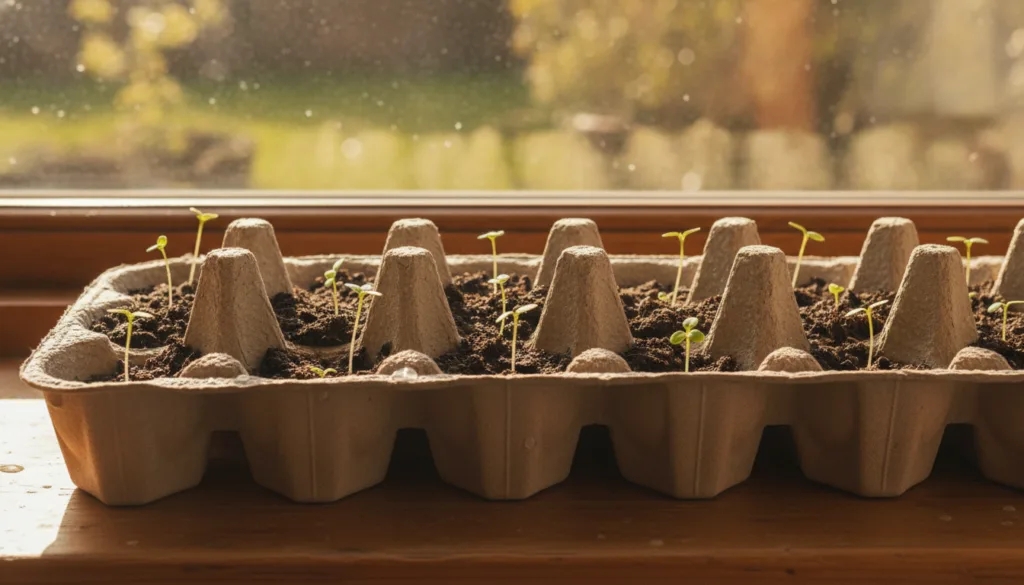 Give your vegetable garden a strong start with these simple DIY egg carton seed starters.
What You’ll Need:
Gathering your materials is the first step towards your thriving garden! You likely have most of these items already.
- Cardboard or paper mache egg cartons (avoid styrofoam as it’s not biodegradable)
- Sharp scissors or a utility knife
- Seed-starting mix (a lightweight, sterile mix is ideal for delicate seedlings)
- Your chosen vegetable seeds (think tomatoes, peppers, lettuce, herbs!)
- A tray or waterproof container to place your egg cartons in (to catch excess water)
- Spray bottle for gentle watering
- Popsicle sticks or labels for identifying seedlings
Step-by-Step Guide: Making Your Egg Carton Seed Starters
1. Prepare Your Egg Cartons
Carefully cut the lid off your egg carton. You can discard it, or some gardeners like to use it as a tray underneath. If your egg carton doesn’t have drainage holes, gently poke a small hole in the bottom of each compartment using a pencil or small tool. This is crucial to prevent waterlogging and root rot.
2. Fill with Seed-Starting Mix
Fill each compartment of the egg carton with your seed-starting mix. Don’t pack it down too tightly; you want it to remain light and airy for root development. Leave a small space at the top, about a quarter to half an inch.
3. Plant Your Seeds
Refer to your seed packets for specific planting depths and spacing. Generally, small seeds are planted shallower than larger ones. Create a small indentation in the center of each compartment and place 1-2 seeds. Covering with a thin layer of soil is usually sufficient. Planting a couple of seeds per compartment increases your chances of germination.
4. Water Gently
Mist the soil surface thoroughly with a spray bottle. You want the soil to be damp, not soggy. Using a spray bottle helps prevent disturbing the tiny seeds. Place your filled egg cartons into a waterproof tray to catch any excess water that drains through the holes.
5. Label Your Seedlings
This step is often overlooked but incredibly important! Use popsicle sticks or custom labels to mark which vegetables you’ve planted in each section. Trust us, once those tiny sprouts appear, they can be surprisingly difficult to tell apart!
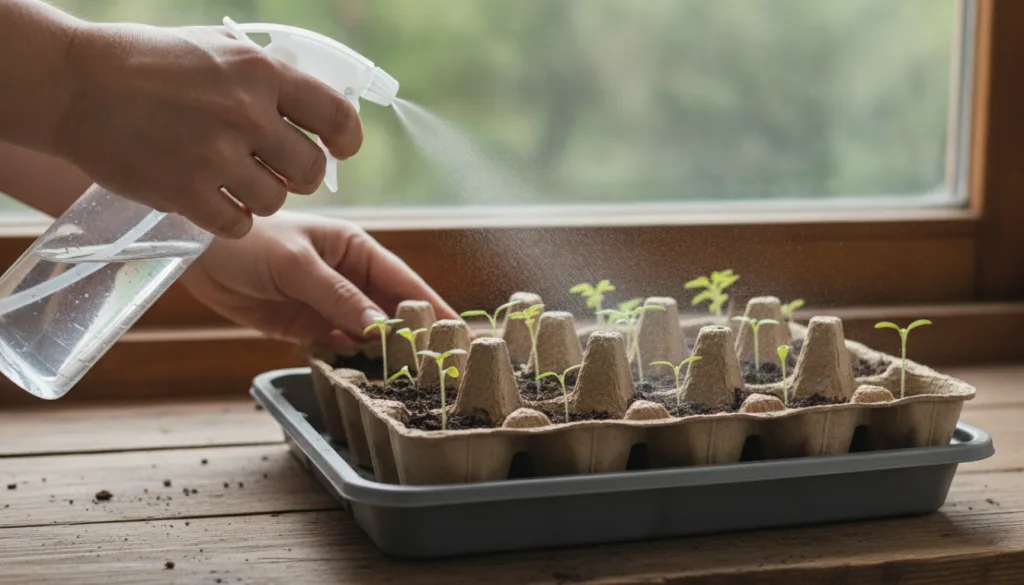 Regular, gentle watering is key to happy, healthy seedlings.
Caring for Your Young Seedlings: The Nurturing Stage
Once your seeds are planted, it’s all about providing the right environment for them to thrive:
- Light: Seedlings need plenty of light – at least 12-16 hours a day. A south-facing window can work, but for best results, consider using grow lights positioned a few inches above the seedlings. This prevents them from becoming leggy and weak.
- Watering: Keep the soil consistently moist but never waterlogged. Feel the soil surface; if it’s dry to the touch, it’s time to water. Continue to use a spray bottle or water from the bottom by adding water to the tray and letting the soil absorb it.
- Temperature: Most vegetable seeds germinate best at temperatures between 65-75°F (18-24°C). Once they sprout, slightly cooler temperatures can be beneficial.
- Air Circulation: Good air circulation helps prevent fungal diseases like damping-off. A small fan set on a low setting can be helpful.
- Thinning: If more than one seed germinates in a compartment, choose the strongest seedling and carefully snip the others at soil level with small scissors. Don’t pull them out, as this can disturb the roots of the chosen seedling.
Transplanting Your Seedlings
When your seedlings have developed their second set of true leaves (not the initial cotyledons) and outdoor temperatures are consistently warm enough, they are ready for transplanting. If you used cardboard egg cartons, you can often gently tear individual compartments apart and plant the entire section directly into your garden bed or larger container. The carton will break down over time, providing a little extra organic matter.
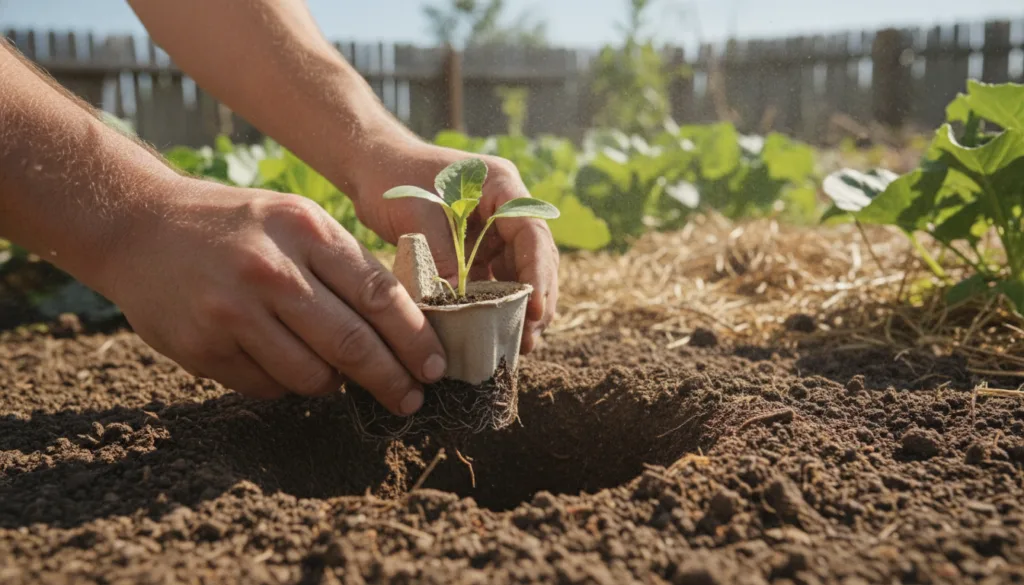 Biodegradable egg carton sections can be planted directly, minimizing root shock.
Troubleshooting Common Seedling Issues
- Leggy Seedlings: If your seedlings are tall and thin, stretching towards the light, they aren’t getting enough light. Move them closer to a light source or invest in grow lights.
- Damping-Off: This fungal disease causes seedlings to collapse at the soil line. It’s often due to overwatering, poor air circulation, or non-sterile soil. Ensure good drainage, avoid overwatering, and consider using a small fan.
- Yellowing Leaves: This could be a sign of overwatering (roots aren’t getting oxygen), underwatering, or a nutrient deficiency. Check soil moisture first.
Start Your Garden Journey Today!
DIY egg carton seed starters are a fantastic way to begin your vegetable gardening journey. They’re simple, sustainable, and incredibly rewarding. Imagine the satisfaction of harvesting fresh vegetables that you started from tiny seeds in recycled egg cartons!
What vegetables are you planning to start with your egg carton planters? Share your gardening dreams and tips with us in the comments below! Happy gardening from Garden – L. Quyên!