Foods that feel better when eaten slowly are often warm, chewable, and designed to be savored rather than rushed.
In a fast-paced food culture, speed is often mistaken for efficiency.
But many foods don’t actually feel good when eaten quickly.
In a fast-paced food culture, speed is often mistaken for efficiency.
But many foods don’t actually feel good when eaten quickly.
Some meals are designed—by texture, temperature, and structure—to be eaten slowly. When you slow down, these foods tend to feel more satisfying, gentler on digestion, and more calming overall.
This isn’t about eating “healthy” or “unhealthy.”
It’s about how certain foods interact with your body when time is allowed.
Why Foods That Feel Better When Eaten Slowly Support Digestion
Eating slowly gives your body time to process what’s happening—not just in the stomach, but in the nervous system.
When meals are warm, chewable, and structured, they tend to:
-
Send clearer fullness signals
-
Reduce rushed eating patterns
-
Feel more grounding and comforting
-
Create a stronger sense of “meal completion”
These effects come less from nutrients alone, and more from texture, warmth, and pace.
Below are foods that consistently feel better when eaten slowly—and why.
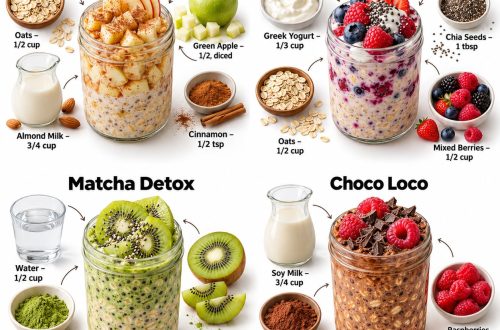
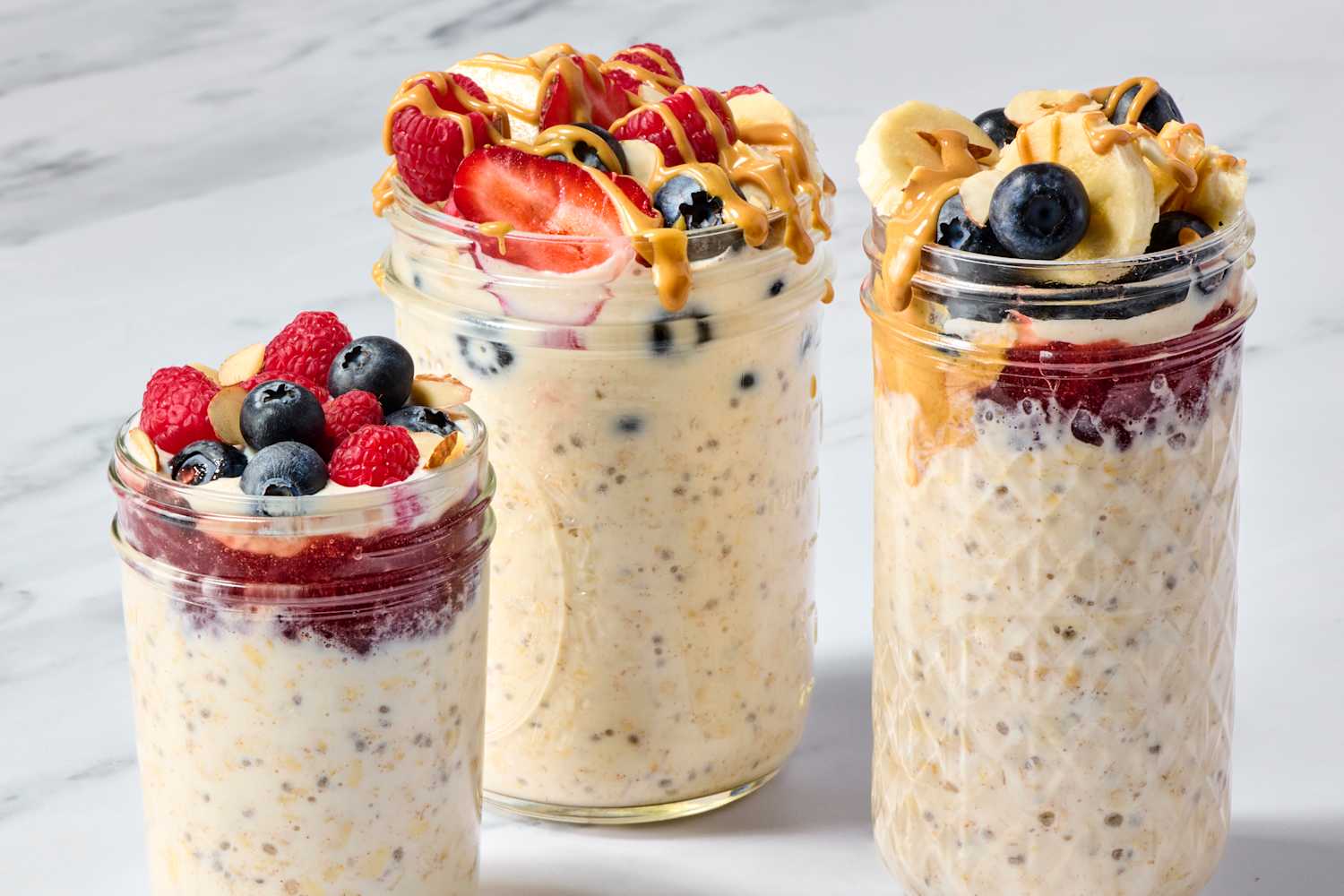
Oats
Why oats feel better when eaten slowly
Oats are warm, dense, and naturally chewy. Their soluble fiber absorbs liquid and thickens as you eat, encouraging slower bites and longer chewing. This gradual digestion helps create a steady sense of fullness rather than a quick rise and drop in energy.
How to eat oats slowly
Cook oats with enough liquid to keep them creamy, not dry. Eat them warm with a spoon, and avoid blending oats into drinks, which removes the chewing element that slows intake.
Rice
Why rice feels better when eaten slowly
Rice is a gentle carbohydrate that digests more evenly when eaten at a relaxed pace. Chewing rice thoroughly slows gastric emptying and allows the body to register satiety before overeating.
How to eat rice slowly
Serve rice warm and pair it with protein or fat. Eating rice with chopsticks or a spoon instead of rushing can naturally slow down the meal.
Potatoes
Why potatoes feel better when eaten slowly
Potatoes are dense and filling, with a soft but substantial texture. When eaten slowly, they promote strong satiety signals and tend to feel more grounding than refined starches.
How to eat potatoes slowly
Roast or boil potatoes and eat them warm. Avoid eating them as fries or finger foods, which often leads to fast, distracted eating.
Eggs
Why eggs feel better when eaten slowly
Eggs provide protein that supports satiety signaling. Their soft texture encourages steady, mindful eating rather than rapid consumption.
How to eat eggs slowly
Eat eggs plated with a fork, not on-the-go. Pair with vegetables or starch to create a meal that invites slower pacing.
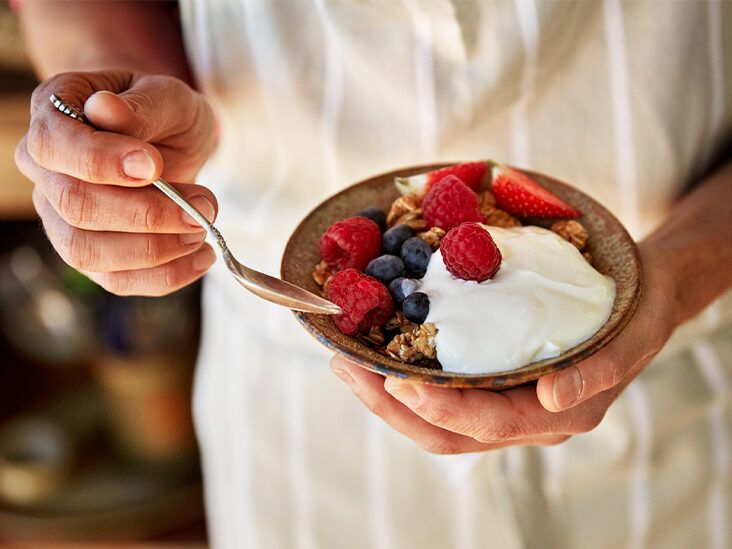
Yogurt
Why yogurt feels better when eaten slowly
Yogurt has a cooling, creamy texture that encourages small spoonfuls. Fermented dairy also tends to feel calming when eaten without rushing.
How to eat yogurt slowly
Use a spoon and pause between bites. Avoid drinking yogurt quickly or pairing it only with liquid ingredients.
Soup
Why soup feels better when eaten slowly
Soup combines warmth, volume, and hydration. Its temperature naturally slows eating and creates a sense of comfort and fullness.
How to eat soup slowly
Eat soup hot but not scalding. Sip or spoon slowly, allowing steam and warmth to pace the meal.
Fish
Why fish feels better when eaten slowly
Fish is a soft protein that digests comfortably when eaten at a relaxed pace. Eating it slowly allows fullness cues to develop without heaviness.
How to eat fish slowly
Serve fish warm with a fork and chew thoroughly. Avoid eating fish in wraps or handheld forms that encourage fast bites.
Baked Fruit
Why baked fruit feels better when eaten slowly
Cooking fruit softens its texture and mellows sweetness. This makes it easier to eat mindfully and reduces the urge to rush.
How to eat baked fruit slowly
Serve baked fruit warm in a bowl and eat with a spoon. Avoid turning it into a drink or puree.
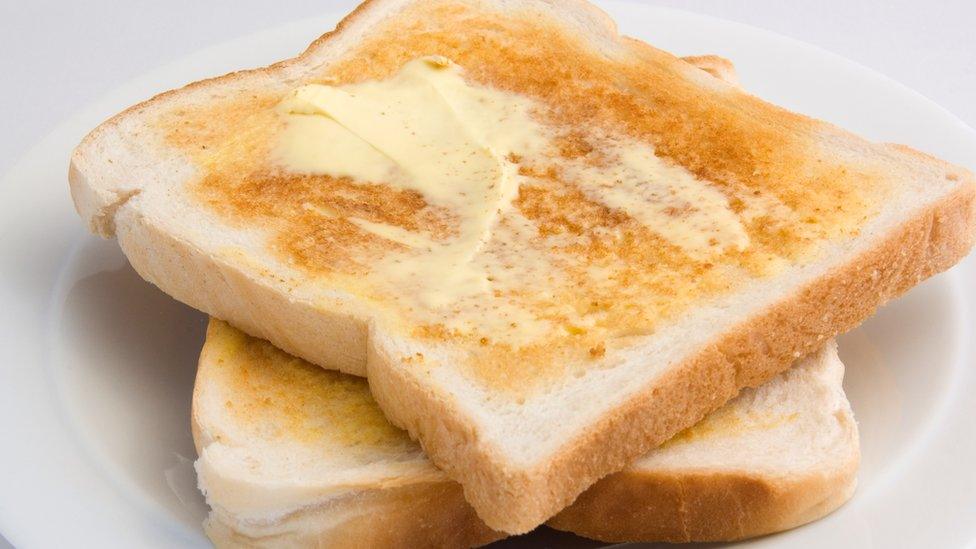
Toast
Why toast feels better when eaten slowly
Toast requires chewing. This mechanical effort slows eating and enhances satiety compared to soft breads.
How to eat toast slowly
Eat toast seated, with toppings that require utensils. Avoid eating toast while distracted or standing.
The Common Pattern Behind These Foods
These foods share key traits:
-
Warmth
-
Chewing or spoon-based eating
-
Simple, familiar flavors
-
Textures that discourage rushing
Together, they create meals that naturally slow you down—without rules or restraint.
How to Use This Insight in Daily Eating
You don’t need to change what you eat—just how certain foods are eaten.
Try:
-
Choosing at least one warm food per meal
-
Sitting down for chewable meals
-
Using utensils instead of handheld eating
-
Letting meals take a few minutes longer
The goal isn’t control—it’s comfort and clarity.
Final Takeaway
Some foods are meant to be eaten slowly.
When you honor their texture, warmth, and pacing, they:
-
Feel more satisfying
-
Create a sense of calm
-
Reduce the urge to keep eating afterward
Eating well isn’t only about ingredients.
Sometimes, it’s about giving food—and yourself—time.
If you enjoy meals that feel calmer and more satisfying, you may also like these balanced dinner bowls designed for slower, more grounded eating.