Vitamin C, also known as ascorbic acid, is more than just a nutrient; it’s a vital powerhouse your body needs to thrive. Unlike many animals, humans cannot produce Vitamin C on their own, making it an essential nutrient that must be obtained through diet. From fortifying your immune defenses to playing a crucial role in skin health and nutrient absorption, the impact of Vitamin C on your overall wellness is profound. Understanding its functions and knowing the best food sources can empower you to support your body’s daily needs naturally.
In this guide, we’ll explore the incredible benefits of Vitamin C and highlight simple, delicious food sources to seamlessly integrate into your daily diet. Discover how this single vitamin supports immunity, collagen production, iron absorption, and so much more, paving the way for a healthier you.
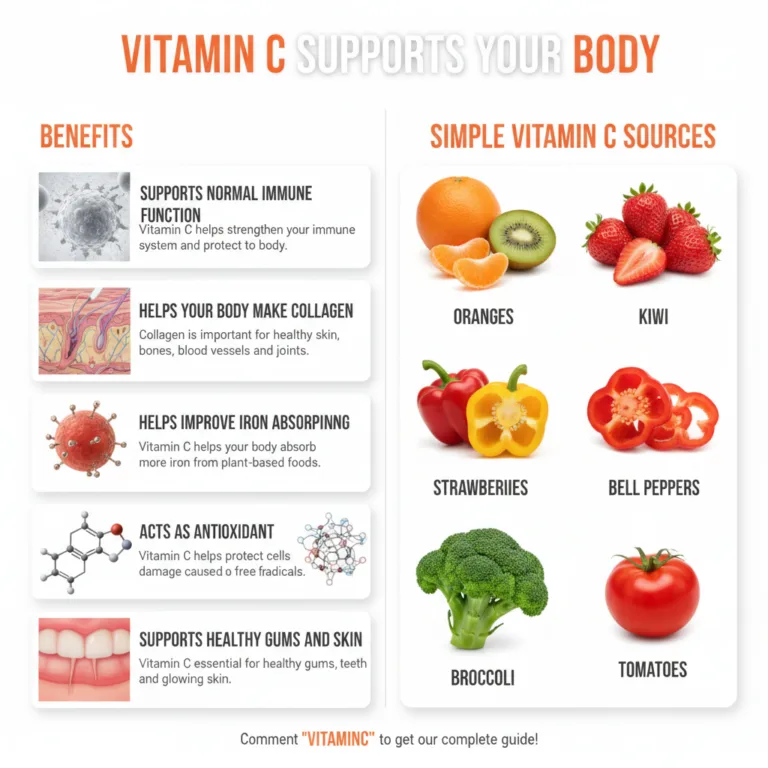
The Power of Vitamin C: Key Benefits for Your Body
Vitamin C is a multifaceted nutrient involved in numerous bodily functions. Its widespread benefits contribute significantly to maintaining overall health and preventing various ailments. Let’s delve into the key ways Vitamin C supports your well-being.
Immune System Support
Perhaps one of Vitamin C’s most well-known roles is its powerful support for the immune system. It aids in the production and function of white blood cells, particularly phagocytes and lymphocytes, which are critical for fighting off infections. Regular intake of Vitamin C may help reduce the severity and duration of common colds and other illnesses.
Collagen Production & Skin Health
Vitamin C is absolutely essential for the synthesis of collagen, the main structural protein in connective tissues throughout the body. Collagen is vital for healthy skin, blood vessels, bones, and cartilage. By supporting collagen production, Vitamin C helps maintain skin elasticity, promotes a youthful appearance, and is crucial for the integrity of your body’s tissues.
Potent Antioxidant Protection
As a powerful antioxidant, Vitamin C helps protect your cells from damage caused by harmful molecules called free radicals. These free radicals can contribute to chronic diseases and the aging process. By neutralizing free radicals, Vitamin C plays a protective role, contributing to cellular health and reducing oxidative stress.
Enhanced Iron Absorption
Iron is a crucial mineral for energy production and oxygen transport in the blood. Vitamin C significantly enhances the absorption of non-heme iron (iron found in plant-based foods), making it particularly important for vegetarians and vegans. Pairing Vitamin C-rich foods with iron-rich plant sources can optimize your body’s iron uptake.
Wound Healing & Tissue Repair
Due to its critical role in collagen synthesis, Vitamin C is indispensable for wound healing and tissue repair. It helps in the formation of new connective tissue in wounds, facilitating faster recovery from injuries, cuts, and scrapes. Adequate Vitamin C intake is fundamental for maintaining healthy skin and gums.
Delicious Sources of Vitamin C: Fuel Your Health Naturally
Getting your daily dose of Vitamin C is easy and delicious, as it’s abundant in a wide array of fruits and vegetables. Incorporating these foods into your meals can naturally boost your intake and harness all the benefits this vital nutrient offers.
Citrus Powerhouse: Oranges
When you think of Vitamin C, oranges are often the first fruit that comes to mind, and for good reason! A single medium orange can provide more than 100% of the daily recommended intake. Enjoy them fresh, in juices, or added to salads for a sweet and tangy boost.
Tiny but Mighty: Kiwifruit
Don’t let their small size fool you; kiwifruit are packed with Vitamin C, often containing more than oranges per serving. Their unique sweet-tart flavor makes them a fantastic addition to smoothies, fruit salads, or enjoyed on their own as a healthy snack.
Sweet & Juicy: Strawberries
These beloved berries are not only delicious but also an excellent source of Vitamin C. A cup of strawberries can provide a significant portion of your daily needs. Enjoy them fresh, in yogurt, oatmeal, or as a topping for desserts.
Vibrant & Versatile: Bell Peppers
Surprisingly, bell peppers, especially the red and yellow varieties, can contain even more Vitamin C than citrus fruits. They are incredibly versatile and can be eaten raw in salads, stir-fried, roasted, or added to various savory dishes.
Green Goodness: Broccoli
This cruciferous vegetable is a nutritional superstar, offering a good amount of Vitamin C along with fiber and other essential nutrients. Steamed, roasted, or lightly stir-fried broccoli makes a healthy and delicious side dish.
Red Ripe & Refreshing: Tomatoes
Whether fresh, cooked into sauces, or juiced, tomatoes contribute a healthy dose of Vitamin C to your diet. They are a staple in many cuisines and can be easily incorporated into salads, sandwiches, soups, and stews.
How to Ensure You’re Getting Enough Vitamin C
While Vitamin C is readily available in many foods, here are some practical tips to maximize your intake:
- Eat a Variety of Fruits and Vegetables: Different produce offers varying nutrient profiles. Aim for a rainbow of colors on your plate daily.
- Opt for Raw or Lightly Cooked: Vitamin C is heat-sensitive, so consuming some fruits and vegetables raw or lightly cooked (steaming, quick stir-frying) helps preserve its content.
- Fresh is Best: While frozen produce is often just as nutritious, fresh, in-season fruits and vegetables typically have the highest nutrient levels.
- Combine for Absorption: Pair Vitamin C-rich foods with iron-rich plant sources (like spinach or lentils) to boost iron absorption.
Frequently Asked Questions About Vitamin C
How much Vitamin C do I need daily?
The recommended daily allowance (RDA) for adults is generally 75 mg for women and 90 mg for men, though individual needs can vary. It’s best to consult a healthcare professional for personalized advice.
Can I get too much Vitamin C?
Since Vitamin C is water-soluble, excess amounts are typically flushed out of the body. However, very high doses from supplements (over 2,000 mg/day) can sometimes cause digestive upset like diarrhea, nausea, and abdominal cramps. It’s rare to consume too much from food alone.
What are signs of low Vitamin C?
Severe Vitamin C deficiency can lead to scurvy, characterized by fatigue, swollen and bleeding gums, joint pain, poor wound healing, and bruising. Milder deficiencies might present as general tiredness or a weakened immune system.
Should I take a Vitamin C supplement?
Most healthy individuals can meet their Vitamin C needs through a balanced diet rich in fruits and vegetables. Supplements may be beneficial for those with limited dietary intake, increased needs (e.g., smokers, certain medical conditions), or as advised by a healthcare professional.