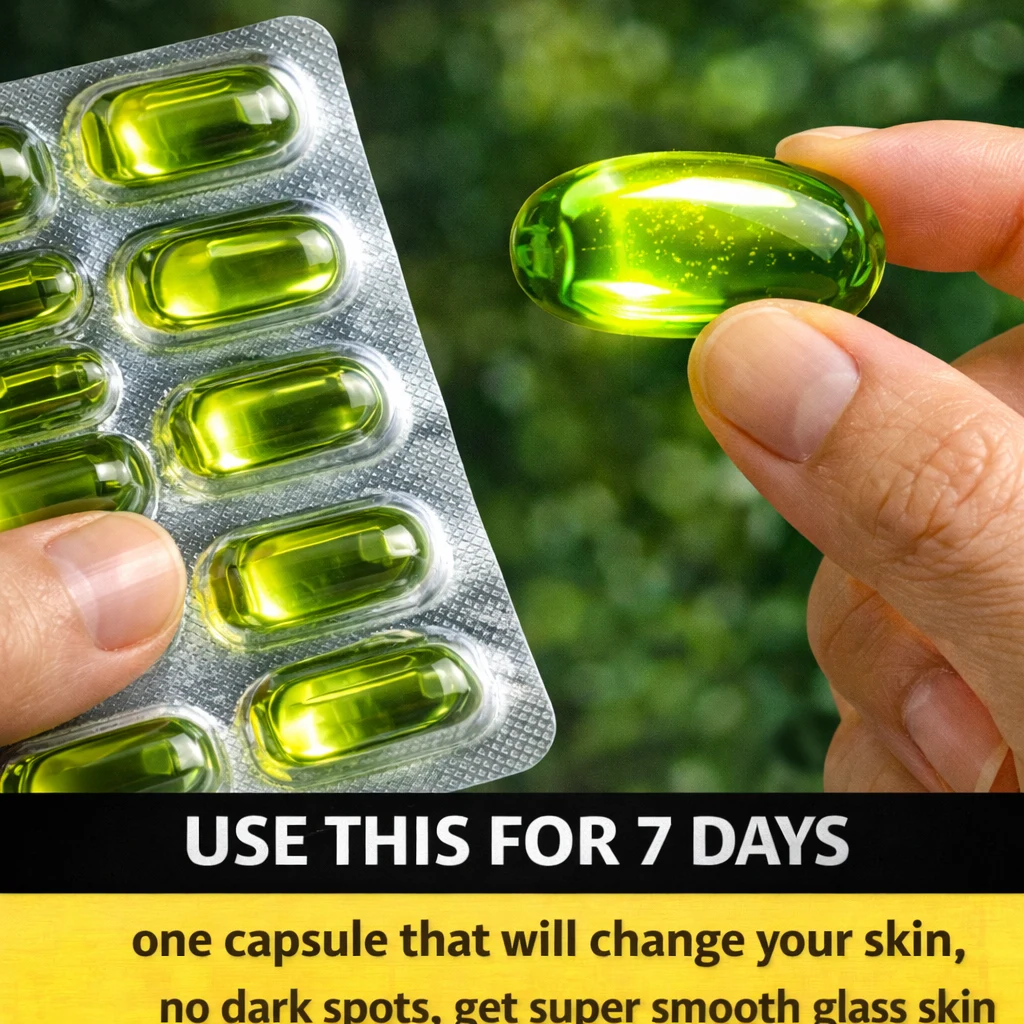
If you’ve seen the viral “use one capsule for 7 days” skincare claim, it’s usually talking about a vitamin E capsule for skin. Vitamin E is an antioxidant and an oil-based ingredient that can support the look of dryness and rough texture, and some people find it makes skin feel softer and more “glowy.”
That said, vitamin E isn’t magic, and it’s not a fit for everyone. Used the wrong way (especially straight from the capsule), it can feel heavy, clog-prone, or irritating.
Here’s a practical, safer 7-day routine that focuses on hydration and barrier support, plus what to avoid if your skin breaks out easily.
Vitamin E Capsule for Skin: What It Can and Can’t Do
Vitamin E (often listed as tocopherol) is commonly used in skincare because it can help support the skin barrier and reduce the feeling of tight, dry skin.
What people often notice:
-
Skin feels more moisturized and less flaky
-
Makeup may sit smoother on drier areas
-
Skin can look a bit more “plump” from improved moisture
What to keep realistic:
-
It may support the look of uneven tone, but it won’t erase dark spots overnight
-
It won’t replace sunscreen, vitamin C, or proven exfoliation routines
-
If you’re acne-prone, pure vitamin E oil can be too occlusive
What You’ll Need (Simple + Skin-Friendly)
Keep it basic. The goal is to dilute the capsule oil so it spreads evenly and feels lighter.
-
1 vitamin E softgel capsule (commonly 100–400 IU)
-
1 teaspoon fragrance-free moisturizer or plain aloe vera gel
-
Optional: 2–3 drops jojoba oil or squalane (for very dry skin)
-
Clean hands, clean face
If you’re sensitive, choose a moisturizer labeled gentle or for sensitive skin and avoid anything heavily scented.
How to Use a Vitamin E Capsule on Your Face (The Safe Method)
Step-by-step
-
Cleanse and pat skin slightly damp.
-
Pierce 1 capsule with clean scissors or a pin.
-
Squeeze a small amount into your palm.
-
Mix with 1 teaspoon moisturizer (or aloe gel).
If your skin is extremely dry, add a couple drops of squalane or jojoba. -
Apply a thin layer to face, focusing on dry areas.
-
Leave on 15–30 minutes, then rinse or gently tissue off the excess.
If your skin is very dry and not breakout-prone, you can leave a very thin layer on overnight.
Spot-use option (for dry patches only)
Use a rice-grain amount mixed into moisturizer and apply only to dry spots (around mouth, cheeks), not all over.
The 7-Day Routine (Balanced, Not Overdoing It)
This is designed to give you the “soft skin” effect without drowning your face in oil.
Day 1: Patch test
-
Mix capsule + moisturizer and apply to inner arm or jawline.
-
Wait 24 hours.
Day 2: First full-face try
-
Use the mixed blend for 15–20 minutes, then remove excess.
Day 3: Rest day
-
Regular routine only (cleanser, moisturizer, SPF in the morning).
Day 4: Second application
-
Repeat Day 2.
-
If you felt greasy last time, use less capsule oil and more moisturizer.
Day 5: Target dry areas
-
Apply only to dry patches, not the whole face.
Day 6: Rest day
-
Keep it simple.
Day 7: Final application
-
Use the blend again.
-
Take note: softer feel, fewer dry flakes, smoother makeup wear.
If your skin gets bumpy or congested at any point, stop and switch to a lighter hydrator (like a ceramide moisturizer).
Common Mistakes (And What to Do Instead)
-
Using the capsule oil straight
Do instead: always mix into moisturizer or aloe gel. -
Applying a thick, shiny layer and sleeping in it
Do instead: a thin layer, or leave it on for 20 minutes and remove excess. -
Combining with harsh actives the same night (retinoids, strong acids, benzoyl peroxide)
Do instead: separate nights to reduce irritation risk. -
Trying lemon juice or other “brightening” hacks
Do instead: use daily SPF and a gentle routine. Citrus on skin can be irritating. -
Assuming “more is better” for dark spots
Do instead: use vitamin E mainly for moisture support, and be consistent with sunscreen.
Safety Notes (Please Don’t Skip)
-
Patch test first, especially if you have sensitive skin.
-
Avoid getting it too close to eyes.
-
If you’re acne-prone or you get clogged pores easily, vitamin E oil can be heavy. Try using it only on dry patches or skip it.
-
Stop if you feel burning, itching, or new breakouts that don’t calm down.
-
Store capsules in a cool, dry place. Don’t use capsules that look cloudy, leaking, or expired.
Buying Guide: What to Look for in Vitamin E Capsules (So You Don’t Waste Money)
Not all softgels are the same. If you’re using them on your face, a few details matter.
What to look for
-
Vitamin E form: “d-alpha tocopherol” is commonly preferred over “dl-alpha” by many shoppers
-
Simple ingredient list: fewer fillers can mean fewer surprises
-
Third-party tested or clearly labeled quality standards (look for confidence markers on the label)
-
Soy-free if you’re sensitive to soy (many softgels use soybean oil)
-
A capsule size you’ll actually use: softgels are convenient, but a pump bottle vitamin E oil can be easier for routine use
What to avoid (especially for face use)
-
Strong added fragrance
-
Mystery blends with lots of extra oils if you’re reactive
-
Very high-dose softgels if you plan to use the full capsule at once (you usually only need a small amount)
Where people typically buy
Most shoppers compare options at pharmacies, big-box retailers, and online marketplaces. Check the label photos, return policy, and reviews that mention “face use” or “skin feel,” not just “supplement.”
How Often Should You Use It After the 7 Days?
For most people, 2–3 times per week is plenty. Daily use can feel too heavy on the skin barrier and may increase congestion for some skin types.
A simple routine:
-
Night: cleanse → moisturizer → vitamin E mix (thin layer) → optional extra moisturizer on top if very dry
Morning tip: if you used vitamin E at night, keep morning simple and always wear broad-spectrum sunscreen.
FAQ
Can I rub vitamin E straight from the capsule on my face?
You can, but many people find it too heavy. Mixing it with a fragrance-free moisturizer usually feels better and spreads more evenly.
Will vitamin E remove dark spots in 7 days?
It may support a healthier-looking glow and reduce the look of dryness, but dark spots typically take longer and respond best to sunscreen and consistent skincare.
What IU vitamin E capsule is best for face use?
Many people start around 100–400 IU, but you rarely need the whole capsule. A small amount mixed into moisturizer is usually enough.
Is vitamin E good for “glass skin”?
It can help skin look smoother by improving moisture, especially if your “glass skin” goal is really about hydration and barrier support.
Can vitamin E clog pores?
It can for some people, especially if you’re oily or acne-prone. If you notice bumps or congestion, stop and switch to lighter hydrators like gel moisturizers or squalane.
Can I mix vitamin E with aloe vera gel?
Yes. Aloe gel is a common way to lighten the texture. Use a plain, alcohol-free gel if possible.
Should I use vitamin E in the morning?
Most people prefer it at night because it’s richer. If you do use it in the morning, apply a very small amount and finish with sunscreen.
What’s a good alternative if vitamin E feels too greasy?
Try squalane, a ceramide moisturizer, or a lightweight serum labeled fragrance-free and non-comedogenic. These can give a smoother feel without the heaviness.