If you’ve been seeing “skin gels” all over social media, you’re not alone. The good news is you can try several homemade skin gel recipes with simple ingredients you may already have at home. These gels are popular because they feel lightweight, layer well under moisturizer, and can give skin a fresh, hydrated look.
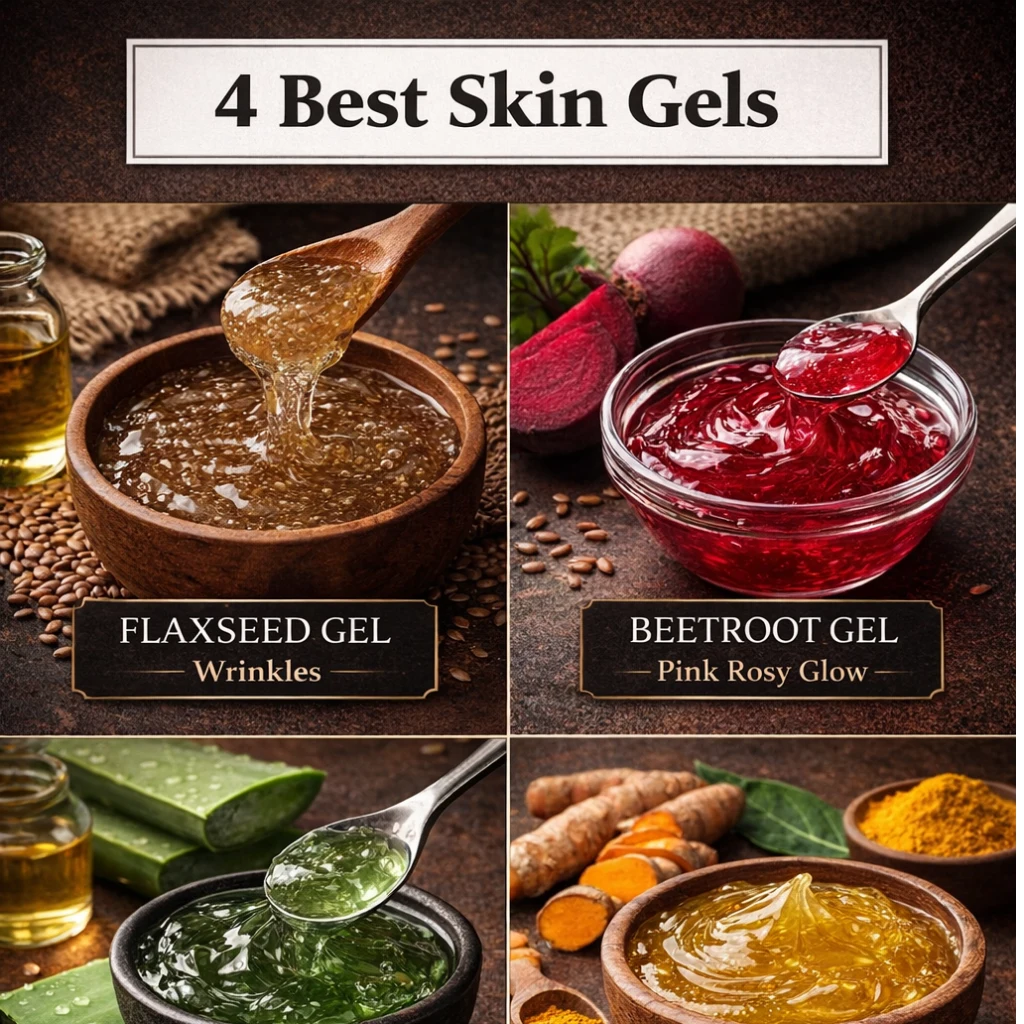
In this guide, you’ll learn how to make four of the most talked-about options: flaxseed gel, beetroot gel, aloe vera gel, and turmeric gel. I’ll also cover how to use them, common mistakes, storage tips, and what to look for if you’d rather buy pre-made versions.
Homemade Skin Gel Recipes: Quick Overview
Here’s what each gel is commonly used for in at-home routines:
-
Flaxseed gel: A slippery, tightening-feel gel some people use for the look of fine lines and smoother texture
-
Beetroot gel: A rosy, tinted gel people try for a pink glow effect (can stain, so use carefully)
-
Aloe vera gel: A classic for soothing hydration and that “cooling” feel
-
Turmeric gel: Often used for bright-looking skin and a more even-looking tone (can stain and irritate sensitive skin)
Important: results vary, and “natural” doesn’t automatically mean “gentle.” Always patch test first.
What You’ll Need (Basic Tools)
You don’t need anything fancy, but a few small tools make a big difference:
-
Small saucepan
-
Fine strainer or cheesecloth (very helpful for flaxseed)
-
Clean spoon or silicone spatula
-
Small glass jar with lid (easier to sanitize than plastic)
-
Optional: funnel, mini whisk, and ice cube tray for freezing extras
Safety Notes Before You Start
-
Patch test every gel (inner arm or behind ear) and wait 24 hours.
-
Avoid using on broken, irritated, or freshly exfoliated skin.
-
Keep gels away from the eye area unless the ingredient is clearly safe for your skin there.
-
Beetroot and turmeric can stain skin, towels, pillowcases, and countertops.
-
Homemade gels don’t have strong preservatives, so make small batches and store properly.
1) Flaxseed Gel (Popular for a “Smoother” Look)
Flaxseed gel is made by simmering flaxseeds in water until they release a clear, jelly-like texture. Many people like it because it leaves a temporary “tight” feel and layers nicely under moisturizer.
Ingredients
-
2 tablespoons whole flaxseeds (golden or brown)
-
1 cup water
Optional: -
1 teaspoon vegetable glycerin (for slip)
-
1 vitamin E capsule (helps with feel; may shorten shelf life if not stored well)
How to Make It
-
Add flaxseeds and water to a saucepan.
-
Bring to a gentle boil, then reduce to a simmer for 5–8 minutes, stirring often.
-
When it looks like egg-white consistency (slippery and slightly thick), remove from heat.
-
Strain immediately while warm using a fine strainer or cheesecloth. This is the trick that prevents clumps.
-
Let it cool, then transfer to a clean jar.
How to Use
-
Apply a thin layer to clean, slightly damp skin.
-
Let it dry for 1–2 minutes, then follow with a non-greasy moisturizer.
-
Use 2–4 times per week to start. If your skin feels tight or dry, use less or reduce frequency.
Storage
-
Refrigerate in a sealed jar.
-
Best used within 5–7 days.
-
To extend: freeze in an ice cube tray and thaw one cube at a time.
Common Mistakes
-
Overcooking (turns gummy and stringy)
-
Waiting too long to strain (it thickens fast)
-
Applying too much (can pill under sunscreen or makeup)
2) Beetroot Gel (For a Pink, Rosy Glow)
Beetroot gel is often used as a natural-looking “flush” for the face. It’s more like a tinted skincare step than a true treatment, and a little goes a long way.
Option A: Beetroot + Aloe “Tint Gel” (Easiest)
This version is the most beginner-friendly because aloe provides the gel texture.
Ingredients
-
2 tablespoons pure aloe vera gel (see buying guide below)
-
1/4 teaspoon beetroot powder (or a few drops of beet juice, strained)
Steps
-
In a small bowl, mix aloe gel with beetroot powder.
-
Stir until smooth. Let it sit 2 minutes, then stir again to reduce graininess.
-
Transfer to a clean mini jar.
Option B: Beet “Infused Water Gel” (More DIY)
If you want a more homemade approach, you can thicken beet-infused water with a small amount of flaxseed gel.
Ingredients
-
1/4 cup beet juice (freshly grated and strained)
-
2 tablespoons flaxseed gel (from recipe #1)
Steps
-
Mix beet juice into flaxseed gel slowly.
-
Adjust color gradually so it doesn’t turn too intense.
How to Use
-
Use a pea-sized amount and blend thinly on cheeks.
-
For a softer look, mix one drop into moisturizer.
-
Avoid using right before bed unless you don’t mind potential staining.
Storage
-
Refrigerate.
-
Use within 3–5 days (beet mixtures spoil faster).
Common Mistakes
-
Using too much beet (stains and looks patchy)
-
Not straining beet juice (can feel gritty)
-
Rubbing aggressively (can irritate and make color uneven)
3) Aloe Vera Gel (The Classic Soothing, Hydrating Gel)
Aloe is a go-to when skin feels dry, tight, or simply needs a lightweight hydration step. You can use store-bought aloe gel, or you can harvest it from a leaf if you’re careful.
Option A: Simple Aloe Gel Routine (Store-Bought)
How to Use
-
Apply a thin layer on clean skin.
-
Follow with moisturizer to “seal” it in.
-
Use daily if your skin tolerates it.
Option B: Aloe Gel From a Leaf (If You Want Fully DIY)
If you’re using fresh aloe, you have to prep it correctly to reduce irritation risk.
Steps
-
Cut a thick aloe leaf and stand it upright in a cup for 10–15 minutes to drain the yellow sap (some people find this irritating).
-
Rinse the leaf, slice it open, and scoop the clear gel.
-
Blend briefly and strain if needed.
-
Store in a clean jar in the fridge.
Storage
-
Fresh aloe is best used within 3–5 days.
-
You can freeze fresh aloe in small cubes.
Common Mistakes
-
Skipping the drain step (more likely to irritate)
-
Using fresh aloe on very sensitive skin without patch testing
-
Applying aloe alone and wondering why skin still feels dry (it often needs a moisturizer on top)
4) Turmeric Gel (For Brighter-Looking Skin)
Turmeric is popular for an “instant glow” look, but it’s also one of the easiest ingredients to overdo. Keep it mild, keep it short-contact, and expect staining if you use too much.
Turmeric + Aloe Quick Gel (Beginner-Friendly)
Ingredients
-
2 tablespoons aloe vera gel
-
1/8 teaspoon turmeric powder (start small)
Optional: -
1 teaspoon plain yogurt (short-contact only; do not store mixed)
Steps
-
Mix aloe gel and turmeric until smooth.
-
If the color looks neon yellow, you used too much. Add more aloe until it’s pale.
-
Apply immediately.
How to Use
-
Apply a thin layer for 5–10 minutes, then rinse.
-
Follow with moisturizer.
-
Use 1–2 times per week max at first.
Stain-Prevention Tips
-
Use an old towel.
-
Rinse with lukewarm water and a gentle cleanser if needed.
-
Avoid white shirts and pillowcases right after.
Storage
-
If it’s aloe + turmeric only: refrigerate and use within 3–5 days.
-
If you add yogurt or anything fresh: do not store. Make it and use it once.
Common Mistakes
-
Using too much turmeric (yellow staining and irritation)
-
Leaving it on too long
-
Using it the same day as strong acids/retinoids (skin may feel sensitized)
A Simple Weekly Routine (So You Don’t Overdo It)
If you want to try all four without overwhelming your skin, keep it simple:
-
2–3 nights per week: Flaxseed gel (thin layer) + moisturizer
-
Daily or as needed: Aloe vera gel under moisturizer
-
1–2 times per week: Turmeric gel (short-contact)
-
Occasionally: Beetroot gel as a rosy tint step (small amount, daytime)
Always use sunscreen in the morning, especially if you’re experimenting with new products and your skin feels more sensitive than usual.
Buying Guide: What to Look for (and What to Avoid)
If you’d rather buy ingredients or pre-made gels, this is where quality matters. You’ll usually get better results (and fewer weird textures) with cleaner, simpler products.
Aloe Vera Gel (Most Important to Buy Right)
Look for:
-
High aloe content (aloe listed near the top)
-
Fragrance-free and color-free options
-
Minimal ingredient list
-
Pump bottle or sealed tube for better hygiene
Avoid:
-
Added perfume, heavy dyes, or lots of alcohol (can feel drying)
Price range (typical): budget-friendly options exist, but paying a bit more often gets you a cleaner ingredient list.
Flaxseed
Look for:
-
Whole flaxseeds (less messy than ground for gel-making)
-
Fresh smell (not bitter or “paint-like”)
Tip: store seeds in a cool, dark place so they stay fresh longer.
Beetroot Powder
Look for:
-
Food-grade organic beetroot powder
-
Fine texture (less grainy in gels)
-
No added sweeteners or flavors
Turmeric Powder
Look for:
-
Fine, fresh powder (less gritty)
-
A reputable brand with clear labeling
Avoid:
-
Super-cheap turmeric that smells stale or looks dull (often weaker and can be gritty)
Containers and Tools
Worth buying:
-
Small glass cosmetic jars with lids
-
Mini spatulas (less contamination than using fingers)
-
A fine mesh strainer or cheesecloth (makes flaxseed gel smoother)
Troubleshooting: If Your Gel Looks “Wrong”
-
Too watery: simmer flaxseed longer, or use less beet juice and more base gel
-
Too sticky: apply less, or mix with a few drops of water before applying
-
Grainy: strain beet juice, use finer powders, or let the mixture sit and stir again
-
Pilling under makeup/sunscreen: use a thinner layer and let it dry fully before layering
-
Skin feels tight: reduce frequency and always follow with moisturizer
FAQs
Can I leave flaxseed gel on overnight?
Many people do, but if you wake up feeling tight or dry, use a thinner layer and apply moisturizer on top, or use it only for 20–30 minutes before rinsing.
Does beetroot gel stain skin?
It can. Start with a very small amount and blend well. If you notice staining, reduce the beet concentration and use it earlier in the day.
What’s the best aloe vera gel for the face?
Look for a fragrance-free aloe gel with a short ingredient list and minimal alcohol. If you’re acne-prone or sensitive, simpler formulas tend to be easier to tolerate.
How long do homemade gels last in the fridge?
Most homemade gels are best within 3–7 days, depending on ingredients. When in doubt, toss it and make a fresh small batch.
Can turmeric gel irritate sensitive skin?
Yes. Keep the turmeric amount tiny, do a patch test, and use it as a short-contact mask (5–10 minutes) rather than an overnight product.
Can I mix all four gels together?
It’s not recommended. Mixing increases the chance of irritation, weird textures, and faster spoilage. Try one at a time so you know what your skin likes.
Should I use these gels before or after moisturizer?
Usually before moisturizer. Think of gels as a lightweight hydration layer, then moisturizer to lock it in.
What should I avoid adding to DIY gels?
Avoid lemon juice, undiluted essential oils, and random kitchen ingredients that can sting or destabilize the mixture. Keep it simple.
Final Tip: Start Small, Keep It Clean
The best way to enjoy homemade skin gel recipes is to treat them like fresh skincare: small batches, clean tools, simple formulas, and slow experimentation. Patch test, take notes, and give your skin a few days between changes so you can actually tell what’s helping your routine look and feel better.