Transform Your Garden: Beautiful Ways to Hide Unsightly Bins with Climbing Plants
Every gardener dreams of a beautiful, harmonious outdoor space. Yet, even in the most meticulously planned landscapes, there are often practical necessities that can detract from the visual appeal. Unsightly trash bins, recycling receptacles, or compost bins are a common challenge, often relegated to a corner where they stick out like a sore thumb. What if you could turn this everyday eyesore into a vibrant, living feature that enhances your garden’s beauty? The solution is simpler and more rewarding than you might imagine: a well-placed trellis adorned with stunning climbing plants. This approach not only provides elegant concealment but also adds vertical interest, color, and life to your outdoor sanctuary, transforming a functional necessity into a natural work of art.
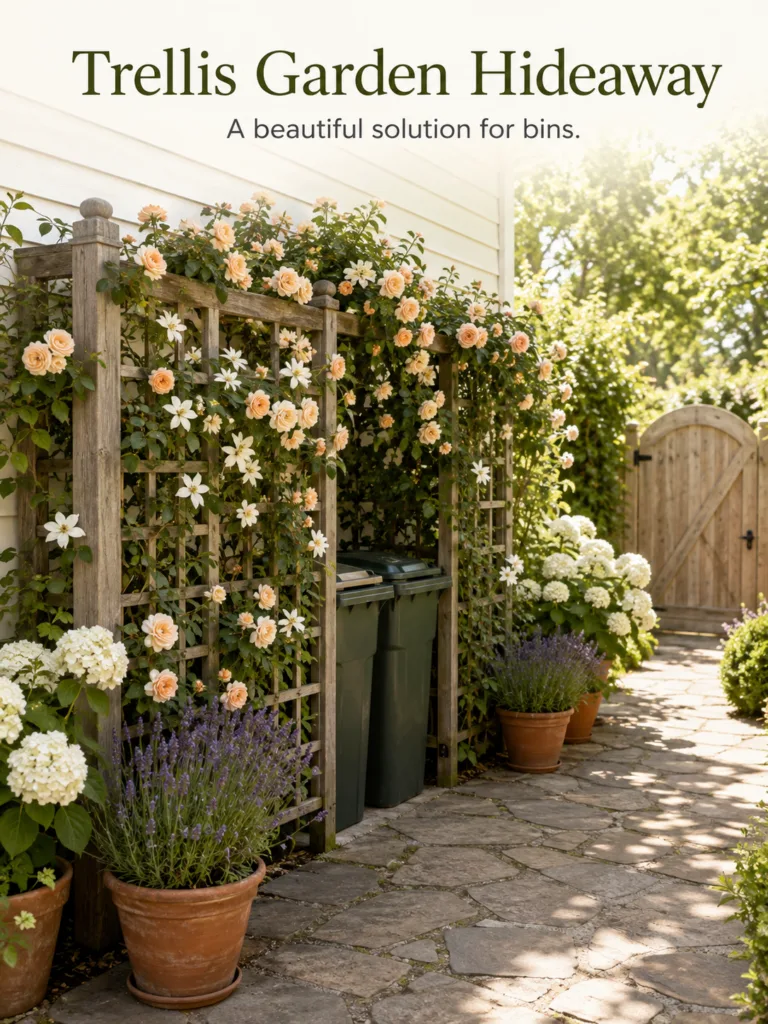
The Green Screen Solution: Trellises for Aesthetic & Practicality
A trellis is more than just a support structure; it’s a canvas for nature’s artistry. When strategically positioned, a sturdy trellis can create a living screen that discretely tucks away service areas, utility boxes, or, as we’re focusing on today, those essential yet unglamorous trash bins. The magic happens when you pair the right trellis with the perfect climbing plants. These plants will ascend, intertwine, and eventually cloak the structure in foliage and flowers, providing a lush, green barrier that is both functional and breathtakingly beautiful.
Choosing the right trellis material and design is key. Consider treated wood for a natural look that blends well with a garden, or metal for a more modern or durable option. Ensure the trellis is firmly anchored and sized appropriately to fully obscure the bins while allowing enough space for plant growth and access for waste collection. A structure that’s too small will look flimsy, while one that’s too large might overwhelm your space. Aim for a design that complements your home and garden style.
Plant Spotlight: Climbing Beauties and Companion Shrubs
To create a truly stunning ‘garden hideaway,’ selecting the right plants is paramount. Here are some of the stars that can transform your trellis and the surrounding area:
Climbing Roses (*Rosa* spp.)
With their intoxicating fragrance and magnificent blooms, climbing roses are a classic choice for any vertical structure. They offer a romantic, abundant display that can effortlessly soften harsh lines and create a focal point.
- Hardiness: USDA Zones 4-9 (varies significantly by cultivar)
- Plant type: Perennial woody vine/shrub
- Exposure: Full sun (at least 6 hours of direct sunlight daily)
- Height: 6-20+ feet, depending on cultivar
- Spread: 3-15 feet, depending on training
- Soil: Rich, well-drained loam with a slightly acidic to neutral pH (6.0-7.0)
- Watering: Consistent moisture, especially during dry periods and active growth. Water deeply at the base.
- Care Tip: To encourage more blooms, train the main canes horizontally along the trellis rather than letting them grow straight up. This stimulates side shoots that produce more flowers. Prune established climbers annually after their main flush of bloom (for once-blooming varieties) or in late winter/early spring (for repeat bloomers) to remove dead or weak wood and shape the plant.
Clematis (*Clematis* spp.)
Clematis vines are renowned for their incredible diversity in flower size, shape, and color. Their delicate yet profuse blooms make them an ideal companion for roses or a standalone showstopper.
- Hardiness: USDA Zones 4-9 (species-dependent)
- Plant type: Perennial woody vine
- Exposure: Full sun for the flowers (at least 6 hours), but ‘feet in the shade’ (roots kept cool and moist) is ideal.
- Height: 6-30 feet, depending on cultivar
- Spread: 3-10 feet
- Soil: Moist, rich, well-drained, slightly alkaline to neutral pH (6.0-7.0)
- Watering: Needs consistent moisture, especially in its first year. Mulch helps keep roots cool.
- Care Tip: Clematis climbs by wrapping its leaf petioles around slender supports. Ensure your trellis has small enough elements (like wire or thin slats) for it to grasp. Pruning varies greatly by type, so identify your clematis’s pruning group (Group 1, 2, or 3) for optimal bloom.
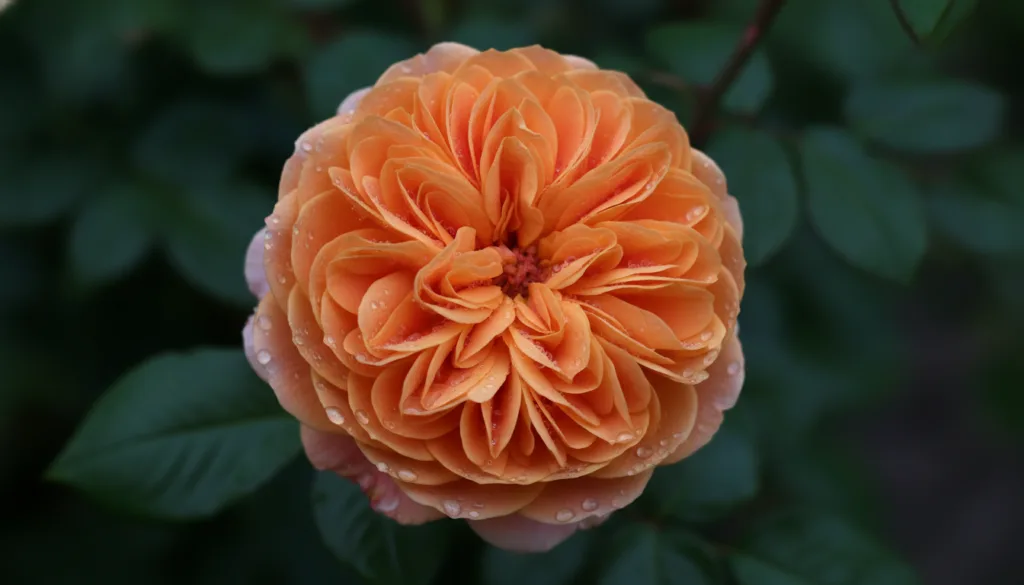
Hydrangeas (*Hydrangea* spp.)
While not climbers, large flowering shrubs like hydrangeas can be strategically planted near your trellis to add bulk, texture, and a stunning floral display, framing your hidden bins beautifully. The image shows a large-leaved variety, likely a Bigleaf or Smooth Hydrangea.
- Hardiness: USDA Zones 3-9 (species-dependent)
- Plant type: Deciduous shrub
- Exposure: Partial sun (morning sun is best, with afternoon shade in hotter climates) to partial shade
- Height: 3-10 feet
- Spread: 3-10 feet
- Soil: Rich, moist, well-drained soil
- Watering: Requires consistent moisture, especially during hot, dry spells.
- Care Tip: Many hydrangeas benefit from dappled shade in the hottest parts of the day to prevent leaf scorch and prolong bloom. Pruning varies by type; know if yours blooms on ‘old wood’ or ‘new wood’ to prune correctly.
Lavender (*Lavandula* spp.)
Potted lavender adds a touch of Mediterranean charm, fragrant beauty, and a lovely purple hue to the foreground. Its upright, bushy habit and aromatic foliage are perfect for defining pathways or adding sensory appeal.
- Hardiness: USDA Zones 5-9 (varies by species like English, French, or Spanish Lavender)
- Plant type: Perennial herb/subshrub
- Exposure: Full sun (at least 6-8 hours daily)
- Height: 1-3 feet
- Spread: 1-3 feet
- Soil: Well-drained, even lean to moderately fertile soil. Essential to avoid heavy, wet soils.
- Watering: Drought-tolerant once established. Water sparingly, only when the top few inches of soil are dry. Overwatering is a common killer.
- Care Tip: Plant in terracotta pots with excellent drainage for container growing. Prune after the first flush of flowers to encourage a second bloom and maintain a compact, bushy shape. Avoid cutting into old, woody stems too deeply.
Setting Up Your Trellis Garden Hideaway
Here’s a step-by-step guide to creating your own beautiful garden screen:
- Choose Your Location: Select a spot that provides adequate sunlight for your chosen plants and convenient access for bin collection. Ensure the ground is level or can be leveled for trellis stability.
- Select Your Trellis: Opt for a sturdy, weather-resistant material like pressure-treated wood, cedar, or powder-coated metal. The trellis should be tall and wide enough to fully obscure your bins, typically 5-7 feet high and 4-6 feet wide per section.
- Install the Trellis Securely: Anchoring your trellis firmly into the ground is crucial, especially for supporting heavy climbing plants in windy conditions. Use metal stakes, concrete footings, or secure it to a nearby fence or wall if appropriate. Ensure there’s enough space behind the trellis for the bins and for airflow around the plants.
- Prepare the Soil: Dig generous planting holes, at least twice as wide as the plant’s root ball. Amend the soil with compost or other organic matter to improve fertility and drainage, as climbing plants will live here for years. Ensure the soil drains well; soggy soil is detrimental to most flowering plants.
- Plant Your Climbers: Plant your climbing roses or clematis about 6-12 inches away from the base of the trellis to give their roots room to establish. Gently guide the initial shoots onto the trellis, loosely tying them with soft ties or garden twine.
- Add Companion Plants: Place shrubs like hydrangeas or potted herbs like lavender around the base to complete the look and add layers of interest. Remember their sun and soil needs.
- Water and Mulch: Water deeply after planting. Apply a 2-3 inch layer of organic mulch around the base of all plants to conserve moisture, regulate soil temperature, and suppress weeds.
Common Mistakes and How to Avoid Them
- Insufficient Sunlight: Most flowering climbers need at least 6 hours of full sun to bloom prolifically. Planting them in too much shade will result in sparse flowers and leggy growth. Choose your location carefully.
- Poor Drainage: Soggy soil leads to root rot. If you have heavy clay soil, amend it generously with compost, grit, or create raised beds around your trellis for better drainage.
- Inadequate Support: A flimsy trellis will buckle under the weight of a mature climbing rose or clematis. Invest in a robust structure and ensure it’s properly installed. Remember, clematis needs slender supports to grip.
- Neglecting Training: Climbing plants don’t automatically know how to spread out. Gently tie new shoots to the trellis as they grow, guiding them horizontally to encourage bushier growth and more flowers.
- Incorrect Pruning: Each plant has specific pruning needs. Research whether your rose blooms on old or new wood, and identify your clematis’s pruning group to avoid accidentally cutting off flower buds.
- Overwatering Potted Plants: Especially for plants like lavender in containers, ensure pots have drainage holes and allow the soil to dry out between waterings.
Regional Growing Considerations Across the U.S.
Gardening success often hinges on understanding your local climate. While the plant recommendations above are broadly suitable for many areas, slight adjustments might be needed:
- Zones 3-5 (Northern Climates): Choose cold-hardy cultivars of roses and clematis. Protect the base of roses in winter with mulch or rose cones. Hydrangeas like *Hydrangea paniculata* (panicle hydrangea) are generally very cold-tolerant. Lavender may struggle to overwinter outdoors and might be better grown as an annual or in containers that can be moved indoors.
- Zones 6-8 (Temperate Climates): These zones are ideal for a wide range of climbing roses and clematis. Hydrangeas also thrive here, especially if given some afternoon shade in the hotter parts of this range. Lavender can typically be grown in the ground with good drainage.
- Zones 9-11 (Southern and Coastal Climates): While winters are mild, summer heat can be intense. Provide afternoon shade for hydrangeas and clematis. Choose heat-tolerant rose varieties. Lavender will demand excellent drainage and may need protection from extreme humidity. Consider drought-tolerant climbers if water conservation is a concern.
Always consult your local USDA Extension Office for specific advice tailored to your microclimate and soil conditions, including recommended planting times based on your last and first frost dates.
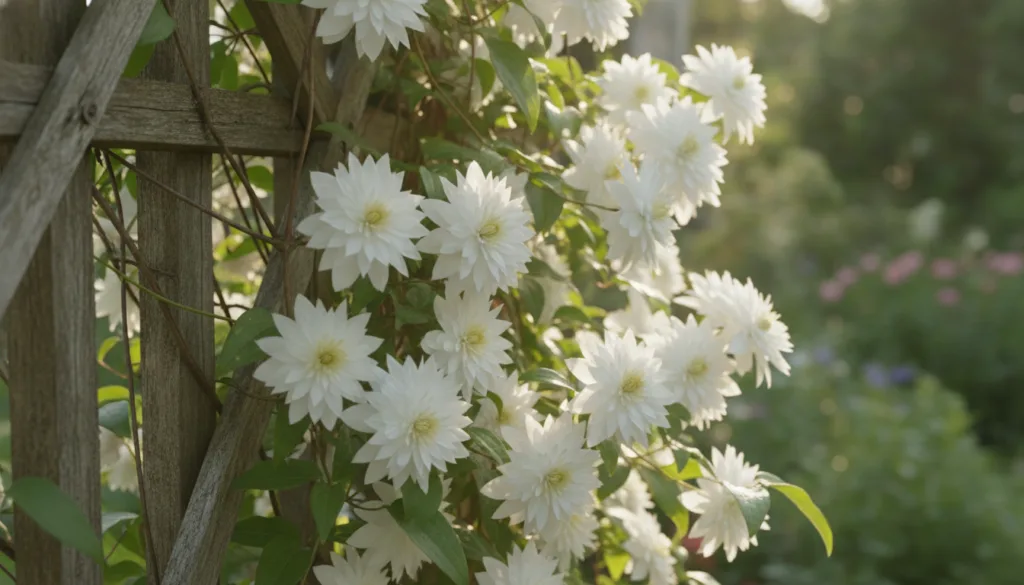
Cultivate Beauty and Practicality
Embracing a ‘trellis garden hideaway’ is a wonderful way to merge necessity with beauty in your outdoor living space. It’s an act of thoughtful design that contributes to a more serene and visually appealing garden, proving that even the most mundane elements can be transformed into opportunities for natural splendor. By selecting the right plants, providing proper support, and offering consistent care, you’ll not only conceal unsightly bins but also create a captivating focal point that brings joy and fragrance to your home. Take the first step, choose your plants, and begin cultivating your own hidden garden gem today!