Are you dreaming of a lush, productive garden that yields more vegetables and flowers than you ever thought possible? Do you wish to make the most out of every inch of your gardening space? If so, then it’s time to discover the incredible world of interplanting! This age-old gardening technique is a game-changer for home gardeners looking to increase their harvest, naturally deter pests, and improve overall garden health.
What is Interplanting?
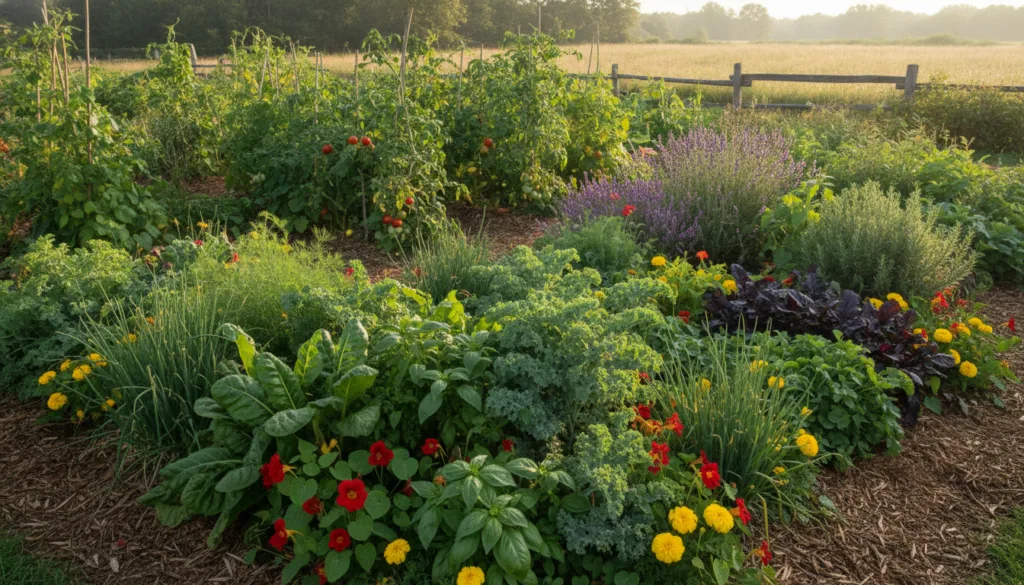
Interplanting, often used interchangeably with companion planting, is the practice of growing different types of plants close to each other for mutual benefit. Instead of dedicating large rows or sections to a single crop, you strategically mix and match compatible plants in the same bed or even the same square foot. It’s like a harmonious plant community where everyone helps each other thrive!
Why Should You Interplant? The Benefits Are Abundant!
Beyond just looking beautiful, interplanting offers a wealth of advantages for your home garden:
1. Maximize Your Yield
- Efficient Space Utilization: By mixing plants with different growth habits (e.g., tall, short, vining, root crops), you can occupy different layers of the soil and air, making every square inch count.
- Extended Harvests: Planting fast-growing crops alongside slower-growing ones means you can harvest early crops while the main plants continue to mature.
2. Natural Pest Control
- Repellent Plants: Some plants naturally deter pests with their strong scents or chemical compounds. For example, marigolds are known to repel nematodes, and strong-smelling herbs like basil can keep flies away from tomatoes.
- Trap Cropping: Certain plants can act as a