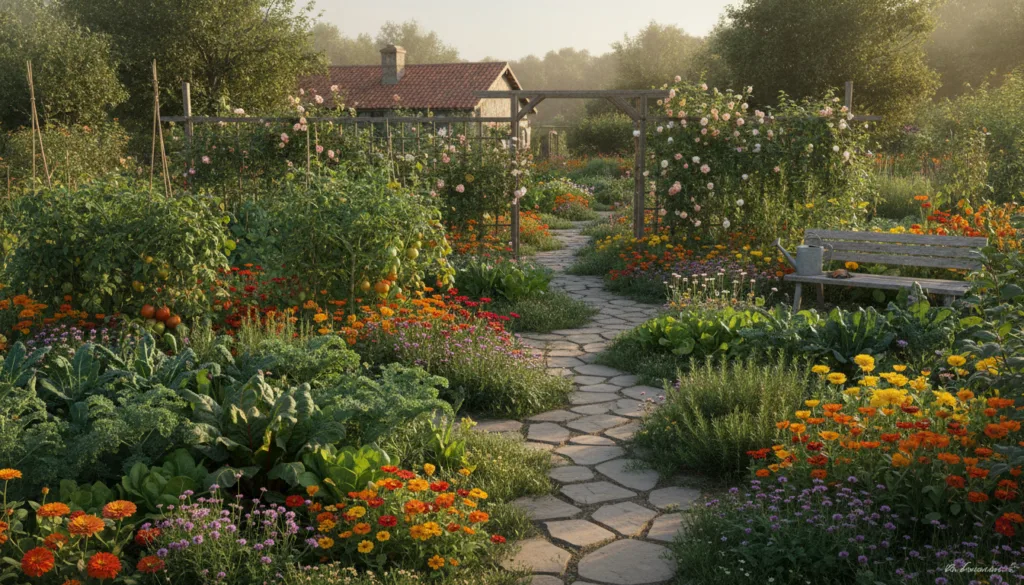
Welcome, fellow garden enthusiasts! Are you ready to transform your garden into a lush, thriving paradise without breaking the bank or your back? We all want a beautiful, productive garden, but sometimes it feels like a daunting task. The good news is, you don’t need to be a seasoned pro to achieve amazing results. With a few smart tricks and a dash of creativity, you can unlock your inner green thumb and make gardening simpler, more enjoyable, and far more rewarding.
Today, we’re sharing 15 easy gardening hacks that will help your plants flourish, keep pests at bay, and save you time and effort. From nurturing your soil to clever planting techniques, these tips are designed for every gardener, whether you’re tending a small balcony garden or a sprawling backyard oasis. Let’s dig in!
1. DIY Compost Tea for Thriving Garden Vegetables
This is a game-changer for soil health and plant vitality! Compost tea is essentially a liquid fertilizer packed with beneficial microbes and nutrients that your plants can readily absorb. It boosts plant growth, strengthens their immune system, and improves soil structure. It’s like a superfood smoothie for your garden!
How to Make Basic Compost Tea:
- Ingredients: A bucket, a handful of finished compost (from your compost pile or store-bought), an old pillowcase or burlap sack, and non-chlorinated water.
- Method: Put your compost into the pillowcase/sack. Tie it securely. Submerge the sack in the bucket of water. Let it steep for 24-48 hours, stirring occasionally. The water will turn brownish – that’s your compost tea!
- Application: Dilute the tea until it resembles weak iced tea. Use it to water your plants at the base or as a foliar spray early in the morning or late in the afternoon. For a more detailed recipe and advanced brewing techniques, keep an eye on our blog for a dedicated guide!
2. Epsom Salt Boost for Peppers and Tomatoes
Epsom salt, or magnesium sulfate, can do wonders for magnesium-loving plants like peppers and tomatoes. It helps with chlorophyll production, leading to healthier, greener foliage and more vigorous fruit production. Sprinkle about a tablespoon around the base of each plant every few weeks or dissolve it in water for a foliar spray.
3. Use Coffee Grounds to Acidify Soil
Acid-loving plants like blueberries, azaleas, rhododendrons, and hydrangeas will thank you for spent coffee grounds. They slowly release nitrogen and help lower soil pH. Just sprinkle them directly onto the soil around these plants.
4. Banana Peels for Potassium-Rich Fertilizer
Don’t toss those banana peels! They’re packed with potassium, phosphorus, and calcium – essential nutrients for flowering and fruiting. Chop them up and bury them near the base of rose bushes, fruit trees, or flowering plants for a slow-release nutrient boost.
5. Eggshells for Calcium and Pest Control
Crushed eggshells are an excellent source of calcium, preventing blossom end rot in tomatoes and peppers. They also act as a physical barrier and deterrent for slugs and snails when sprinkled around vulnerable plants.
6. Companion Planting for Natural Pest Repellent
Strategically planting certain species together can deter pests and even improve growth. For example, marigolds can repel nematodes and other harmful insects, while basil can protect tomatoes from hornworms. Do a quick search for companion plants for your favorite vegetables!
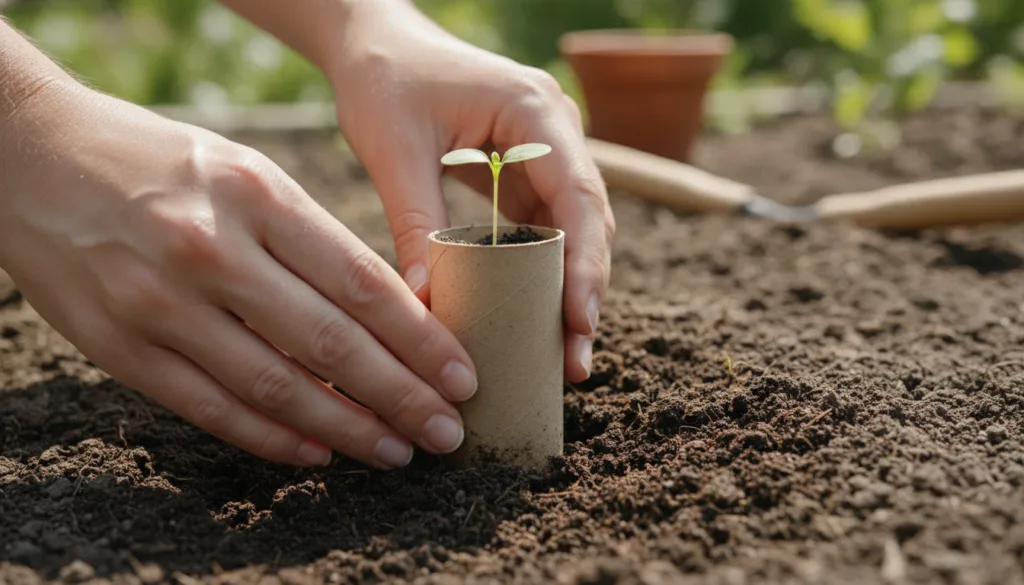
7. DIY Seed Starting Pots from Toilet Paper Rolls
Save money and be eco-friendly by making your own biodegradable seed starting pots. Simply cut toilet paper rolls in half, make four small cuts at one end, fold them to create a bottom, fill with soil, and plant your seeds. When ready to transplant, plant the whole roll!
8. Water Bottle Drip Irrigation
For consistent, slow watering, especially when you’re away or for thirsty plants, use an old plastic water bottle. Poke small holes in the cap, cut off the bottom, and bury it neck-down near your plant. Fill it with water, and it will slowly release moisture into the soil.
9. Create a Mini-Greenhouse with Plastic Jugs
Protect young plants from frost and create a humid microclimate using clear plastic milk jugs. Cut off the bottom, remove the cap for ventilation, and place the jug over your seedling. This acts as a perfect mini-greenhouse.
10. Use Old Sponges in Planters for Drainage
Lining the bottom of your pots with old sponges before adding soil helps with drainage and retains moisture. The sponges will absorb excess water and release it as the soil dries out, preventing root rot and keeping your plants hydrated.
11. Baking Soda for Powdery Mildew
Combat powdery mildew, a common fungal issue, with a simple baking soda spray. Mix one tablespoon of baking soda with one tablespoon of horticultural oil (or dish soap) in a gallon of water. Spray affected plants weekly, ensuring good coverage.
12. Diapers for Container Plant Moisture Retention
For hanging baskets and large containers that dry out quickly, place a clean, unused diaper (gel side up) at the bottom before adding soil. The super-absorbent polymer will soak up excess water and release it gradually, reducing watering frequency.
13. Keep Garden Tools Clean with a Sand Bucket
Fill a bucket with sand and a bit of horticultural oil. After each use, plunge your tools into the sand. This cleans off dirt and lightly oils them, preventing rust and keeping them sharp. It’s an easy way to maintain your tools and extend their life.
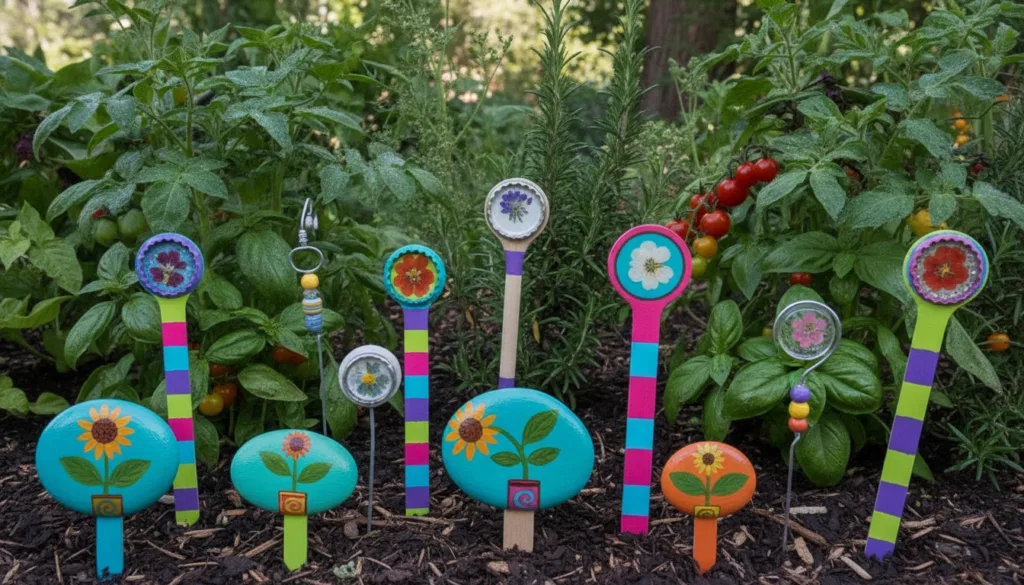
14. Plant Markers from Recycled Materials
Instead of buying expensive plant markers, get creative! Use old plastic containers cut into strips, painted rocks, wine corks on skewers, or even broken pottery pieces. Label them with a permanent marker, and you have charming, eco-friendly markers.
15. The Cardboard Weed Barrier Method
Tired of weeding? Lay down flattened cardboard boxes over your garden beds before adding soil or mulch. The cardboard smothers weeds, breaks down over time, and enriches the soil. Just be sure to remove any tape or labels first.
Ready to Transform Your Garden?
With these 15 easy gardening hacks, you’re well-equipped to tackle common gardening challenges and cultivate a beautiful, bountiful garden that brings you joy. Remember, gardening is all about learning, experimenting, and enjoying the process. Don’t be afraid to try new things and see what works best for your space and your plants.
Which of these hacks are you most excited to try? Do you have a favorite gardening hack you’d like to share with our community? Let us know in the comments below! Happy gardening!