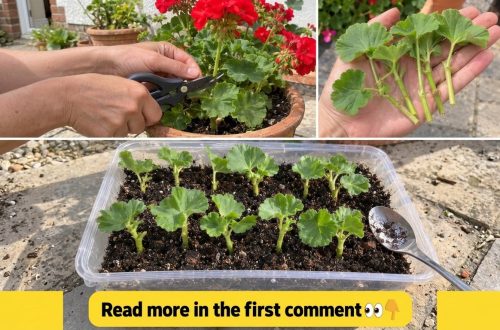
Ever wonder how to get your houseplants looking their absolute best? The secret might be simpler and more natural than you think! 🌱 Instead of reaching for chemical fertilizers, a homemade organic concoction can provide all the gentle, essential nutrients your green friends need to truly thrive. It’s a wonderful way to give your plants the natural boost they deserve, ensuring vibrant leaves, strong growth, and beautiful blooms without harsh chemicals. Loving your plants has never been so easy and rewarding!
At Garden – Thảo, we believe in nurturing our plants the way nature intended, using simple, accessible ingredients. Let’s dive into the world of natural plant food and discover how you can create a happy, healthy environment for your indoor garden.
Why Choose Natural Plant Nourishment?
Opting for organic and homemade solutions for your houseplants offers a multitude of benefits, both for your plants and the environment:
- Gentle on Plants: Natural ingredients release nutrients slowly, preventing the risk of ‘fertilizer burn’ that can occur with synthetic products.
- Healthier Soil: Organic matter improves soil structure, water retention, and encourages beneficial microbes, leading to a more vibrant ecosystem for your plants.
- Cost-Effective: Many ingredients are kitchen scraps or inexpensive household items, saving you money.
- Eco-Friendly: Reduces reliance on chemical production and runoff, contributing to a healthier planet.
- Peace of Mind: You know exactly what’s going into your plants, which is especially great if you have pets or small children.
Everyday Ingredients for a Thriving Garden
You’d be surprised at what common items in your kitchen can become powerful plant food! Here are a few favorites:
1. Banana Peels
Rich in potassium, a vital nutrient for flowering and fruiting plants, and overall plant vigor. Potassium helps strengthen cell walls, making plants more resilient to stress and disease.
2. Coffee Grounds
A mild source of nitrogen, which promotes lush, green foliage. They also help acidify the soil slightly, which is beneficial for acid-loving plants like ferns and peace lilies.
3. Eggshells
Packed with calcium, which is crucial for cell wall development and preventing issues like blossom end rot. Crushed eggshells can also deter some pests.
4. Milk (Diluted)
Contains calcium, sugars, and some proteins that can act as a mild fertilizer. However, it’s essential to dilute it to prevent bacterial growth and odor.
5. Epsom Salts
While not a kitchen scrap, Epsom salts (magnesium sulfate) provide magnesium, essential for photosynthesis, and sulfur. It can help green up yellowing leaves.
Your Simple DIY Plant Tonic Recipe
Ready to make your own nourishing drink for your plants? This recipe is simple, effective, and uses ingredients you might already have.
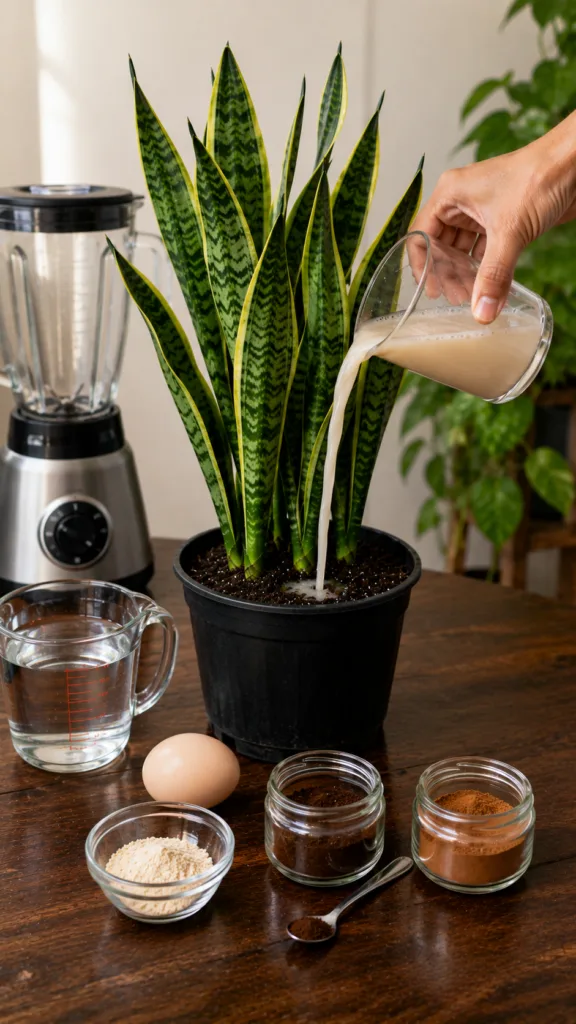
The ‘Green Booster’ Tonic
This tonic combines several beneficial ingredients for a well-rounded nutrient boost.
Ingredients:
- 1 banana peel (from an organic banana if possible)
- 1/4 cup used coffee grounds
- 1/2 cup crushed eggshells (rinse thoroughly first)
- 1 teaspoon Epsom salts
- 1 gallon of water (distilled or rainwater is best, but tap water works)
Instructions:
- Prepare the Ingredients: If your eggshells aren’t already crushed, grind them into a fine powder. Cut the banana peel into small pieces.
- Combine: Place the banana peel pieces, coffee grounds, crushed eggshells, and Epsom salts into a large container (like a clean gallon jug or bucket).
- Add Water: Pour the gallon of water over the ingredients.
- Steep: Cover the container and let the mixture steep for 24-48 hours. This allows the nutrients to leach into the water.
- Strain: After steeping, strain the liquid through a fine-mesh sieve or cheesecloth to remove any solid particles. This prevents clogs in watering cans and keeps your soil tidy.
- Dilute (Optional but Recommended): For general use, you can dilute this concentrated tonic with an equal part of plain water (1:1 ratio). This makes it gentler for regular feeding.
How to Use Your Homemade Tonic
- Frequency: Use this tonic every 2-4 weeks during your plant’s active growing season (spring and summer). Reduce frequency in fall and winter when most plants are dormant.
- Application: Water your plants as you normally would, using the diluted tonic. Make sure the soil is evenly moistened.
- Observe Your Plants: Pay attention to how your plants respond. If you see signs of improvement, you’re on the right track! If you notice any issues, you might need to adjust the frequency or dilution.
Beyond Food: Holisitic Houseplant Care
While natural nourishment is key, remember that healthy plants thrive on a combination of factors:
- Proper Watering: Overwatering is a common killer! Always check the soil moisture before watering.
- Adequate Light: Understand your plant’s light needs and place it accordingly.
- Good Drainage: Ensure your pots have drainage holes to prevent waterlogging.
- Pest Control: Use natural remedies like neem oil or insecticidal soap for common pests.
By providing your green friends with natural sustenance and mindful care, you’ll witness them flourish, bringing more life and beauty into your home. It’s a joyful journey of discovery and connection with nature!
What’s your favorite houseplant to nurture with a little extra homemade love? Share your stories and tips in the comments below!