Are uninvited guests like mosquitoes, ants, and even cockroaches ruining your enjoyment of beautiful summer evenings on your patio or in your garden? You’re not alone! Many of us wish for a peaceful outdoor space without resorting to harsh chemicals.
The good news is, you can create a simple, homemade mixture using common household items that not only helps to deter these pesky invaders but also naturally cleans and freshens your outdoor surfaces. This dual-purpose solution is an easy and effective way to reclaim your outdoor haven and enjoy the fresh air.
What You’ll Need
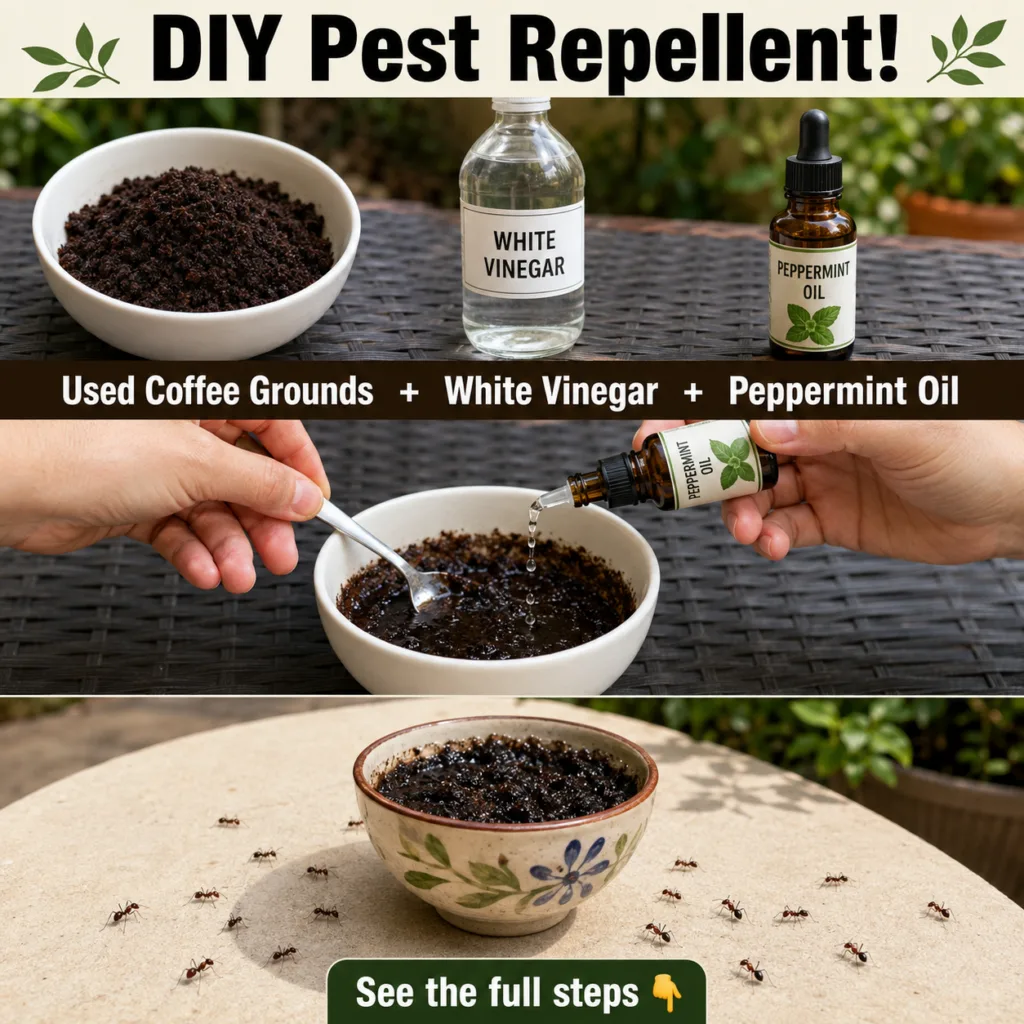
Ingredients:
- 1 cup white vinegar
- 1 cup water
- 1 teaspoon liquid dish soap
- 15-20 drops peppermint essential oil (or citronella, tea tree, or a blend)
Tools:
- Empty spray bottle (at least 16 oz or 2 cups capacity)
- Measuring cups and spoons
- Funnel (optional, for easier pouring)
Why This DIY Can Be Useful
This homemade mixture harnesses the natural properties of its ingredients to tackle both pests and dirt. White vinegar is a well-known natural cleaner and deodorizer, and its scent can be off-putting to some insects. Dish soap acts as an emulsifier, helping to blend the essential oil with the water and vinegar, and also helps the solution cling to surfaces and pests. Peppermint essential oil is widely recognized for its strong scent, which many common outdoor pests like mosquitoes, ants, and cockroaches find unpleasant, encouraging them to stay away.
How to Make It
Whipping up this solution is quick and easy:
- Using a funnel if desired, carefully pour 1 cup of white vinegar into your empty spray bottle.
- Add 1 cup of water to the spray bottle.
- Next, add 1 teaspoon of liquid dish soap to the mixture.
- Finally, add 15-20 drops of your chosen essential oil (peppermint, citronella, or tea tree) to the bottle.
- Securely attach the spray nozzle to the bottle and gently shake it to ensure all ingredients are well combined.
How to Use It
This versatile spray can be used in various outdoor areas to repel bugs and clean:
- For Pest Repellent: Spray directly onto surfaces where you typically see pests congregating, such as patio floors, outdoor furniture legs, window sills, doorframes, and around the perimeter of your outdoor seating areas.
- For Cleaning: Lightly mist dirty outdoor surfaces like patio tiles, concrete, plastic outdoor furniture, or even garbage bins. Let it sit for a few minutes to allow the cleaning agents to work.
- Application Tips: Aim for a light, even coating. There’s no need to drench surfaces.
- Frequency: Reapply as needed, especially after rain or heavy dew, or if you notice pests returning. For regular cleaning, use weekly or bi-weekly.
What to Expect
This homemade mixture is designed to deter pests and clean surfaces, not to act as a powerful insecticide. You can expect a noticeable reduction in the presence of mosquitoes, ants, and cockroaches in the treated areas. Your outdoor surfaces will also appear cleaner and smell fresher thanks to the vinegar and essential oils. Consistency is key for the best results; regular application will help maintain a more comfortable outdoor environment.
Helpful Tips
- Shake Before Each Use: Essential oils can separate from water. Give the bottle a good shake before each application to ensure the mixture is properly combined.
- Best Time to Apply: For pest control, apply in the late afternoon or early evening before you plan to spend time outdoors, when many pests become most active.
- Avoid Direct Sunlight: When cleaning, avoid spraying on hot surfaces or in direct, intense sunlight, as the solution can dry too quickly.
- Store Properly: Keep the spray bottle in a cool, dark place when not in use to prolong the potency of the essential oils.
Important Notes / Safety
- Patch Test: Always test the mixture on an inconspicuous area of any surface (especially painted or treated wood) before widespread application to ensure it doesn’t cause discoloration or damage.
- Plant Safety: While natural, vinegar can harm some plants. Avoid spraying directly onto delicate plants or garden beds.
- Pet Safety: While essential oils can be natural, some can be irritating or toxic to pets if ingested in large quantities. Ensure surfaces are dry before allowing pets close contact, and observe your pets for any adverse reactions.
- Ventilation: Use in well-ventilated outdoor areas.
- Eye Contact: Avoid direct contact with eyes. Rinse thoroughly with water if contact occurs.