Dry skin is not always just a “topical” problem.
Sometimes the skin looks rough, tight, or flaky because the body is missing enough hydration, healthy fats, protein, and key nutrients that help the skin stay resilient.
That is why food matters.
There are several foods often linked to skin barrier support, collagen structure, hydration, and antioxidant protection. Most people never realize this works best when they stop chasing one miracle ingredient and start building a repeatable skin-supportive eating pattern.
This does not mean food can replace moisturizer, sunscreen, or medical care for eczema or severe skin conditions.
But it can help create a much stronger foundation from the inside out.
Why Dry Skin Can Start From Within
Your skin barrier depends on more than cream.
To stay soft and less reactive, skin needs:
- Adequate hydration
- Healthy fats to support the skin barrier
- Protein and amino acids for repair
- Vitamin C for collagen formation
- Vitamin E and zinc for protection and balance
- Omega-3 fats to support inflammation balance
When meals are too low in nutrients, skin may feel drier, duller, and less comfortable over time.
1. Collagen Peptides
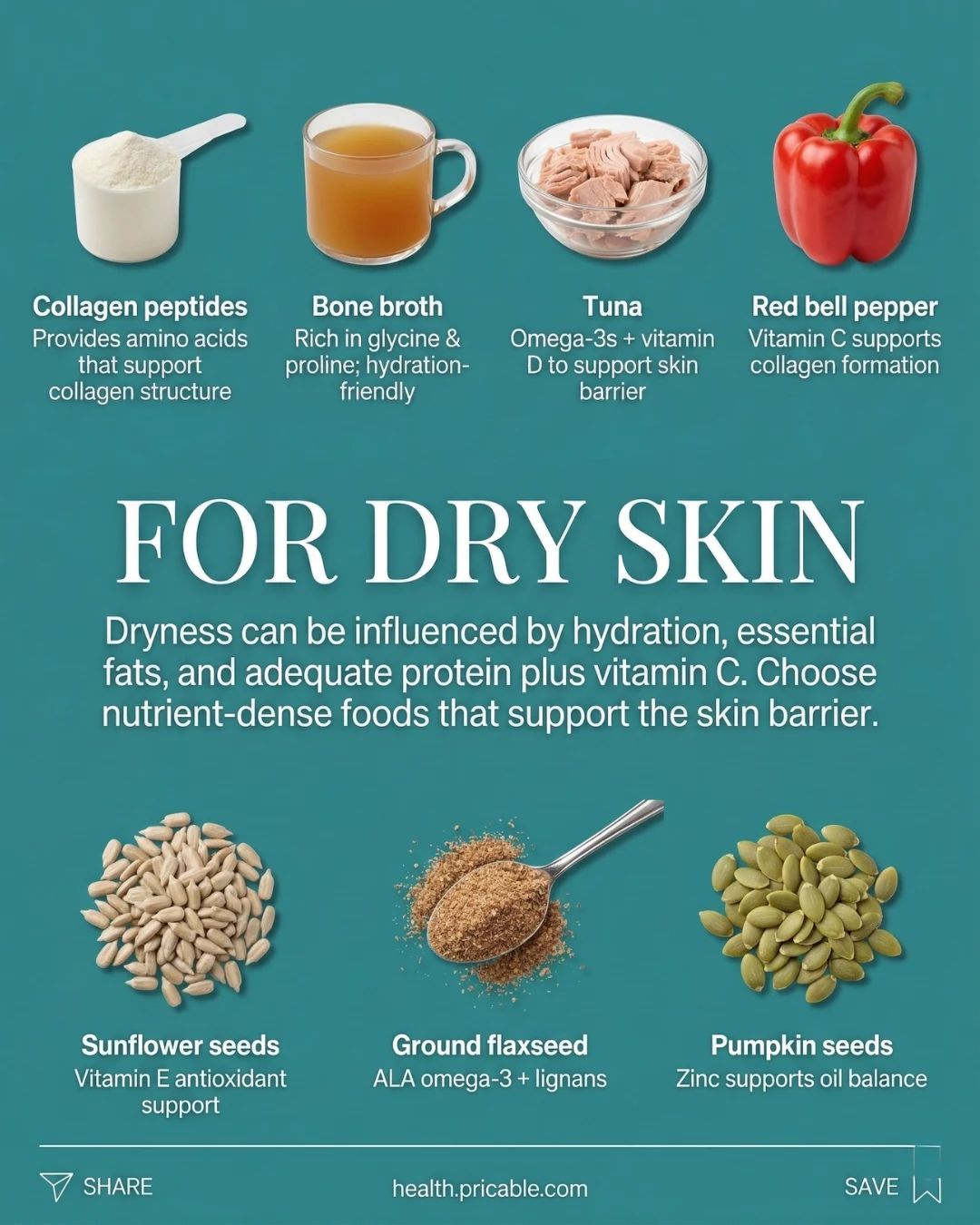
Collagen peptides are included in the image because they provide amino acids that help support collagen structure.
Collagen is one of the main structural proteins involved in skin firmness and elasticity. Collagen peptides are not a magic fix, but they can be a practical add-on when overall protein intake is low or inconsistent.
Why they may help dry skin
Dry skin often looks worse when the skin barrier and underlying structure are under-supported. Collagen peptides may help support a more resilient skin appearance when paired with enough vitamin C and overall protein.
Easy ways to use
- Stir into coffee or tea
- Blend into smoothies
- Add to oatmeal or yogurt
2. Bone Broth
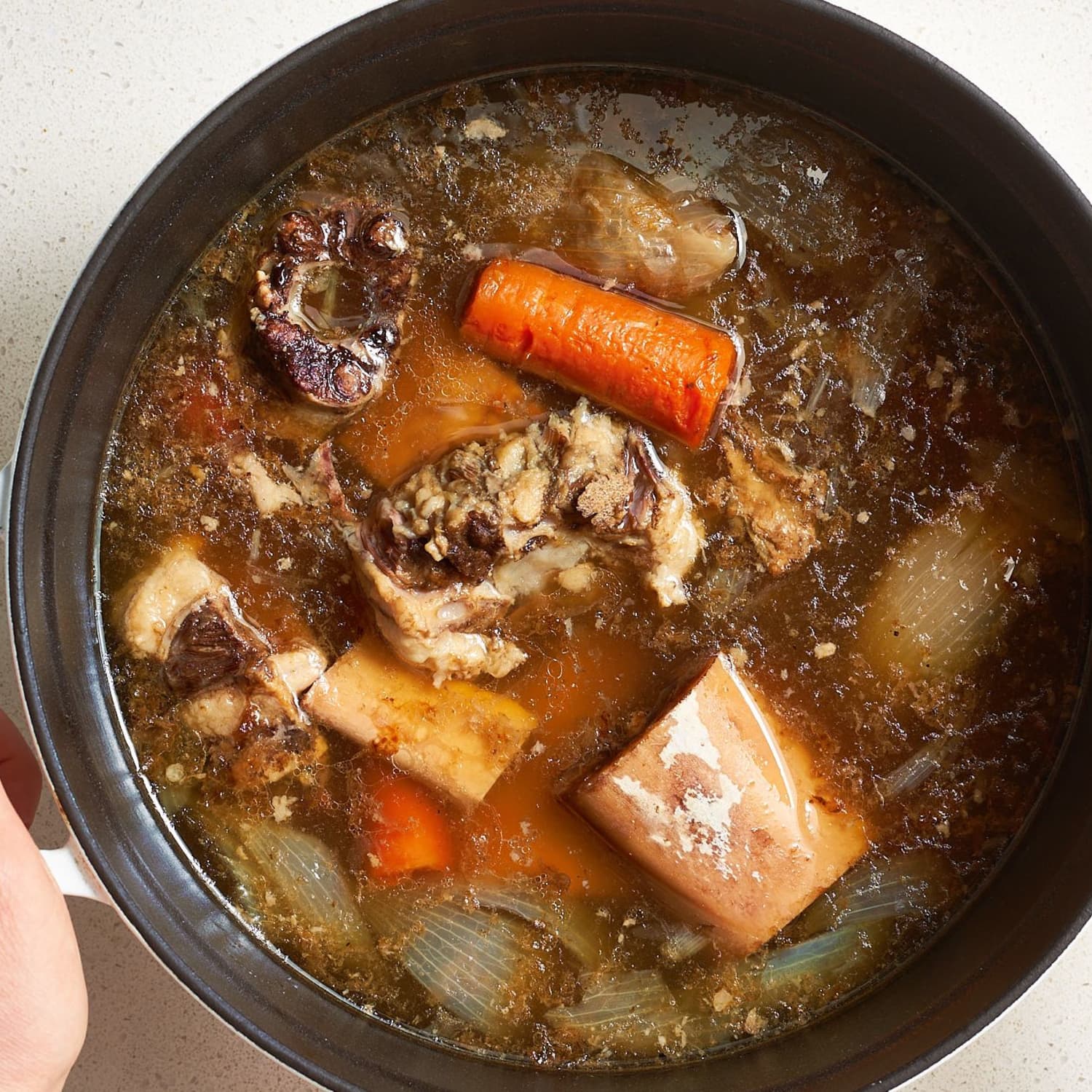
Bone broth is shown as a hydration-friendly option rich in glycine and proline, two amino acids associated with collagen-rich foods.
Why it may help dry skin
Bone broth supports fluid intake and adds a gentle source of amino acids. It is especially useful for people who struggle to eat enough protein earlier in the day.
Easy ways to use
- Sip warm between meals
- Use as a base for soups
- Cook grains or vegetables in broth for extra flavor
3. Tuna
Tuna is highlighted for omega-3s and vitamin D, both of which may support the skin barrier.
Why it may help dry skin
Omega-3 fats help support skin barrier function and may help the skin feel less dry over time. Tuna also provides high-quality protein, which matters because skin repair depends on adequate protein intake.
Easy ways to use
- Make a simple tuna salad
- Add to grain bowls with vegetables
- Serve with avocado and leafy greens
4. Red Bell Pepper
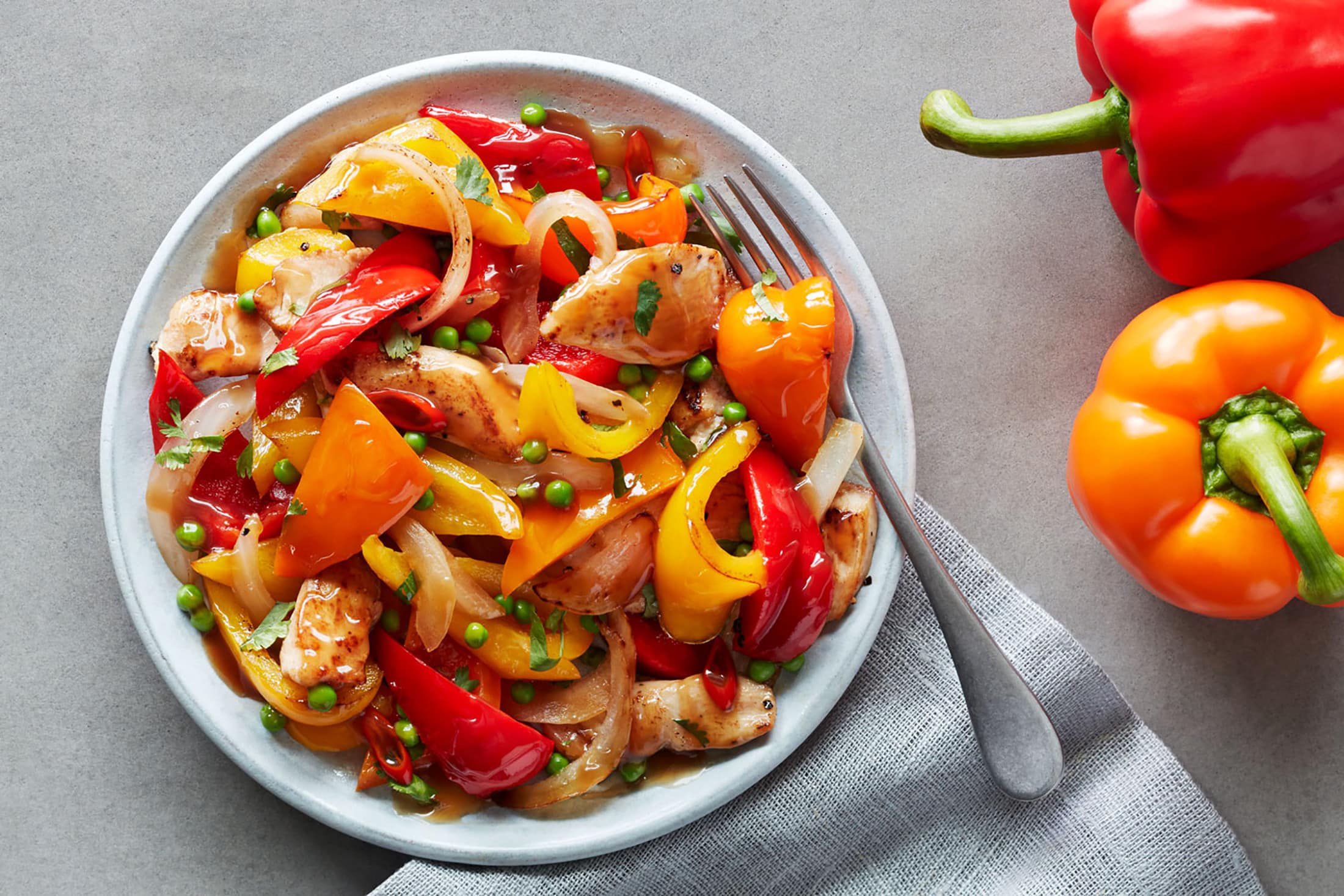
Red bell pepper is one of the most useful foods here because it provides vitamin C, which helps support collagen formation.
Why it may help dry skin
Without enough vitamin C, the body cannot build collagen efficiently. Red bell pepper also adds hydration and antioxidants, which may help the skin handle daily stress more effectively.
Easy ways to use
- Slice raw into salads or snack plates
- Roast and add to bowls
- Blend into soups or sauces
5. Sunflower Seeds
Sunflower seeds are included for their vitamin E, one of the best-known antioxidant nutrients for skin support.
Why they may help dry skin
Vitamin E helps protect skin cells from oxidative stress and supports the skin’s natural barrier. Dry skin often benefits from both internal and external barrier support, and sunflower seeds are an easy food-based option.
Easy ways to use
- Sprinkle on salads
- Add to oatmeal or yogurt
- Mix into homemade trail mix
6. Ground Flaxseed
Ground flaxseed provides ALA omega-3 fats and lignans, which support overall skin-friendly nutrition.
Why it may help dry skin
Flaxseed helps add healthy fats and fiber to the diet. The fiber supports gut health, and the omega-3 content may support a calmer, better-hydrated skin appearance over time.
Easy ways to use
- Stir into oatmeal
- Blend into smoothies
- Add to yogurt or overnight oats
Tip: use ground flaxseed, not whole flaxseed, for better absorption.
7. Pumpkin Seeds
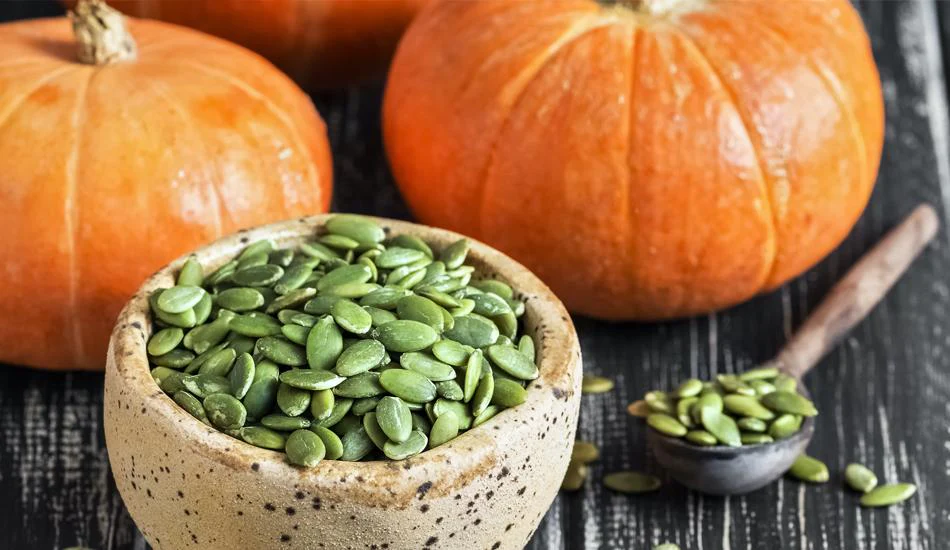
Pumpkin seeds are highlighted for zinc, a mineral involved in skin repair and oil balance.
Why they may help dry skin
Zinc helps support skin renewal and barrier function. It is often discussed in relation to acne, but it also matters for general skin maintenance and healing.
Easy ways to use
- Sprinkle over soups and salads
- Add to grain bowls
- Eat a small handful as a snack
How to Build a Dry Skin Support Plate
You do not need all 7 foods every day.
A better strategy is to combine a few of them consistently.
A simple skin-supportive meal could look like this:
Option 1
- Tuna
- Red bell pepper
- Avocado or olive oil
- Pumpkin seeds on top
Option 2
- Oatmeal with collagen peptides
- Ground flaxseed
- Sunflower seeds
- Fruit on the side
Option 3
- Bone broth-based soup
- Vegetables
- Pumpkin seeds or seeds sprinkled over the top
When You’ll Notice Changes
Dry skin usually improves gradually, not overnight.
- Within a few days: better hydration may make skin feel less tight
- Within 2 to 4 weeks: the skin may look less dull if meals become more balanced
- Within 6 to 8 weeks: consistent intake of protein, healthy fats, and skin-supportive nutrients may create more noticeable changes
This works best when paired with:
- Enough water
- Gentle skincare
- Moisturizer
- Sunscreen
- Enough overall calories and protein
Quick Safety Notes
- Tuna is useful, but vary seafood choices across the week due to mercury concerns.
- Bone broth and collagen peptides can support nutrition, but they do not replace a balanced diet.
- If you have persistent dry, itchy, cracked, or inflamed skin, it may be eczema, dermatitis, thyroid-related dryness, or another issue that needs medical care.
Final Takeaway
Dry skin often improves when the body gets more of what the skin barrier actually needs:
hydration, protein, healthy fats, vitamin C, vitamin E, omega-3s, and zinc.