Many people start their day with foods they believe are healthy—fruit, coffee, yogurt, or smoothies. But what’s often overlooked is how these foods interact with an empty stomach.
The first meal of the day doesn’t just provide energy. It also sets the tone for digestion, blood sugar response, and overall comfort. Some foods that are beneficial later in the day may feel very different when eaten first thing in the morning.
If you’ve ever felt discomfort, sudden hunger, or energy dips after breakfast, your food choices—not just what you eat, but when—may be part of the reason.
This guide breaks down common foods that can feel harsher on an empty stomach and explains how to use them more effectively.

Why Some Foods Feel Different in the Morning
After a night of fasting, your stomach is more sensitive to:
-
Acidity
-
Rapid sugar absorption
-
Strong compounds (like caffeine or sulfur)
This doesn’t mean these foods are “bad.” It simply means timing and pairing matter.
Fruits and Sweet Foods That Spike Quickly
Bananas
Bananas are convenient and nutritious, but eaten alone, they can lead to a rapid rise and fall in blood sugar for some people.
Better approach:
Pair with protein or fat, such as nuts or yogurt.
Pineapple
Pineapple contains natural enzymes and acids that may feel strong on an empty stomach.
Better approach:
Eat after a meal or combine with other foods.
Smoothies
Smoothies—especially fruit-heavy ones—can deliver sugar quickly without slowing digestion.
Better approach:
Add protein (yogurt, protein powder) or fats (chia, nuts).
Acidic Foods That May Irritate
Citrus Fruits (Oranges, Grapefruit)
These fruits are rich in vitamin C but also acidic, which may feel uncomfortable for some people first thing in the morning.
Tomatoes
Tomatoes also contain natural acids that may increase stomach sensitivity when eaten alone.
Raw Apples
Apples are generally healthy, but their acidity and fiber can feel harsh without other foods.
Better approach for all above:
Combine with a meal or eat later in the day.
Stimulants and Drinks to Be Careful With
Coffee
Coffee stimulates acid production and may feel intense on an empty stomach.
Better approach:
Drink after eating or alongside food.
Green Tea
Green tea contains tannins, which may cause mild discomfort when consumed alone.
Strong or Irritating Ingredients
Spicy Peppers
Spices can irritate the stomach lining, especially when there is no food buffer.
Raw Garlic
Garlic contains sulfur compounds that can be strong when eaten alone.
Foods That May Affect Digestion Timing
Yogurt
Yogurt contains beneficial bacteria, but stomach acid levels in the morning may reduce their survival.
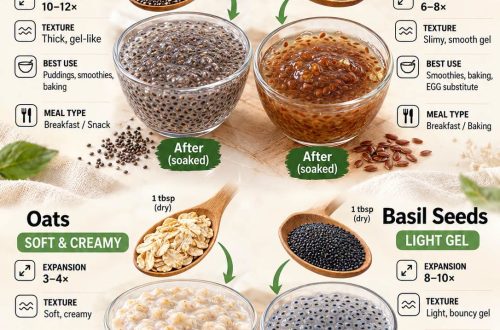
Chia Seeds (Dry)
Dry chia seeds absorb water and expand, which can feel uncomfortable if not properly soaked.
Better approach:
Always soak chia seeds before consuming.
How to Build a Better First Meal
Instead of avoiding these foods completely, focus on balance.
A better breakfast structure includes:
-
Protein: eggs, yogurt, nuts
-
Fiber: oats, fruit (paired)
-
Healthy fats: avocado, seeds
-
Hydration: water or mild drinks
Simple Breakfast Combinations That Work Better
1. Balanced Bowl
-
Yogurt
-
Banana
-
Almonds
→ Slows sugar absorption and improves satiety
2. Oatmeal with Fruit
-
Oats
-
Apple slices
-
Nuts or seeds
→ Gentle on digestion with steady energy
3. Light Savory Option
-
Toast
-
Avocado
-
Tomato
→ Combines fiber, fat, and hydration
4. Smoothie (Improved Version)
-
Banana
-
Spinach
-
Protein source
-
Nut butter
→ More balanced than fruit-only smoothies
What This Means for Your Daily Routine
The goal isn’t to eliminate these foods.
It’s to:
-
Adjust timing
-
Pair foods properly
-
Avoid eating certain items alone
Small changes like adding protein or delaying coffee can make a noticeable difference in how you feel.
Final Thoughts
Many “healthy” foods are still healthy—but context matters.
What you eat on an empty stomach can influence digestion, energy, and comfort more than most people expect. By combining foods more thoughtfully and adjusting timing, you can keep the benefits while avoiding unnecessary discomfort.
Simple changes often lead to more stable mornings—and better energy throughout the day.