Dreaming of a vibrant, productive garden but feel limited by space? You’re not alone! Many home gardeners face the challenge of maximizing their harvest in compact areas. Cucumbers, known for their sprawling vines, often seem like a luxury for those with expansive plots. However, with a smart approach, you can enjoy an abundant crop of crisp, fresh cucumbers, even if your ‘garden’ is a sunny patio, balcony, or a small backyard nook. The secret lies in a clever technique: growing cucumbers vertically in containers.
This method transforms your gardening possibilities, turning upward space into productive growing real estate. It’s a game-changer for urban gardeners, small-space dwellers, or anyone looking to make their garden more efficient and visually appealing. Ready to turn your small spot into a cucumber haven? Let’s dive into how you can cultivate thriving cucumber plants that reach for the sky, yielding delicious fruit right at your fingertips.

Why Go Vertical with Cucumbers? The Benefits of Upward Growth
Opting for vertical container gardening for cucumbers offers a host of advantages beyond just saving space. Understanding these benefits can inspire you to embrace this practical method:
- Space Efficiency: This is the most obvious benefit. Instead of allowing vines to sprawl across the ground, vertical growth directs them upwards, freeing up valuable horizontal space for other plants or garden activities.
- Improved Air Circulation: Lifting plants off the ground enhances airflow around the foliage. This significantly reduces the risk of common fungal diseases like powdery mildew, which thrives in humid, stagnant conditions.
- Cleaner Fruit: Cucumbers growing on a trellis are less likely to come into contact with soil, meaning cleaner fruits that are less prone to rot or pest damage from soil-dwelling organisms.
- Easier Harvesting: No more bending and searching through dense foliage on the ground! Vertically grown cucumbers are typically at a more convenient height, making them easier to spot and pick.
- Pest Management: While not a guaranteed pest deterrent, elevated plants can sometimes be less accessible to certain ground-dwelling pests. Good air circulation also helps keep some insect pests at bay.
- Aesthetics: A vertical cucumber display can be a beautiful focal point in your garden, adding lush greenery and the charm of ripening fruit to your outdoor living space.
Choosing the Right Cucumber Varieties for Vertical Success
Not all cucumbers are created equal when it comes to vertical growth. The key is to select vining (indeterminate) varieties rather than bush (determinate) types, which are bred for compact growth and don’t need significant support. For vertical growing, look for:
- Long-Vining Slicing Cucumbers: ‘Marketmore 76’, ‘Straight Eight’, ‘Burpless Tasty Green’, or ‘Armenian’ (which is technically a melon but grows like a cucumber).
- Pickling Varieties: Many pickling cucumbers are vining, such as ‘Boston Pickling’ or ‘National Pickling’.
- Disease-Resistant Cultivars: Look for varieties noted for resistance to powdery mildew and downy mildew, especially in humid climates.
Essential Setup for Vertical Container Cucumbers
Getting the foundation right is crucial for a successful vertical cucumber harvest. Here’s what you’ll need to consider:
Container Selection
Cucumbers are thirsty plants with extensive root systems, so they need ample space. Choose large containers, ideally 10-20 gallons (about 16-24 inches in diameter) per plant. This provides enough room for roots and helps maintain consistent soil moisture. Look for pots made of terracotta, plastic, or fabric grow bags, all with excellent drainage holes at the bottom. Adding a layer of gravel or broken pot shards before soil is not necessary and can even impede drainage; simply ensure the holes are clear.
The Perfect Soil Mix
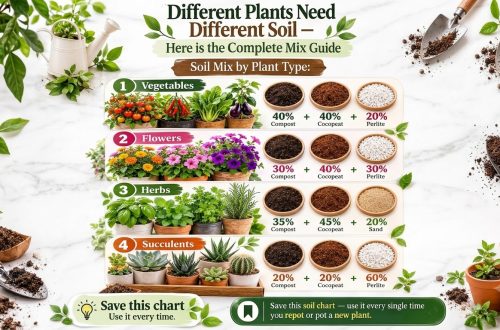
Cucumbers are heavy feeders and thrive in rich, well-draining soil. A high-quality potting mix is essential for containers, as garden soil can become compacted and lead to poor drainage. Amend your potting mix with compost or well-rotted manure to boost fertility. A pH between 6.0 and 7.0 is ideal.
Vertical Support Systems
This is where the ‘vertical’ part comes in! Your cucumbers will need a sturdy structure to climb. Install this support system when you plant, as adding it later can damage delicate roots. Options include:
- Trellises: Metal, wood, or bamboo trellises provide excellent support. Choose one that’s at least 5-6 feet tall.
- Cages: Sturdy tomato cages, especially the wider, heavier gauge ones, can work well, particularly for less vigorous vining types.
- Stakes and String: You can use a strong central stake and guide vines with garden twine as they grow, securing them loosely.
- Netting: While effective, ensure the netting has openings large enough to easily harvest fruit without entanglement.
Planting Your Cucumbers
Starting from Seed or Transplant
Cucumbers are annual plants, typically grown from seed. You can sow seeds directly into your containers outdoors once all danger of frost has passed and the soil temperature is consistently above 60°F (15°C). In many parts of the U.S., this is late spring to early summer. For an earlier harvest, especially in shorter growing seasons (e.g., USDA zones 3-5), you can start seeds indoors 3-4 weeks before your last expected frost date. Use biodegradable pots like peat pots or paper pots to minimize transplant shock.
Planting Depth and Spacing
Plant cucumber seeds about 1 inch deep. If sowing multiple seeds per container, thin them to the strongest seedling once they develop true leaves. For transplants, plant them at the same depth they were in their nursery container. As mentioned, aim for one cucumber plant per large container to give it ample room to grow and thrive without competing for nutrients and water.
Ongoing Care for Abundant Harvests
Consistent care will ensure a continuous supply of delicious cucumbers.
Watering Wisely
Cucumbers require consistent moisture, especially when they are flowering and fruiting. Container plants dry out much faster than in-ground plants. Check the soil daily, and water deeply when the top inch or two feels dry to the touch. Aim for at least 1 inch of water per week, sometimes more in hot, dry weather. Inconsistent watering can lead to bitter fruits or blossom end rot. Use a watering can or drip system that delivers water directly to the soil, avoiding wetting the foliage, which can promote disease.
Feeding Your Plants
Cucumbers are heavy feeders. Begin fertilizing with a balanced liquid fertilizer (e.g., 5-10-10 or 10-10-10) every 2-3 weeks once the plant starts producing flowers and fruits. Alternatively, incorporate a slow-release granular fertilizer into the potting mix at planting time. Look for fertilizers that provide essential micronutrients.
Guiding and Pruning
As your cucumber vines grow, gently train them onto their vertical support. You may need to loosely tie them with soft garden ties or Velcro straps. Cucumbers produce tendrils that will naturally grasp the support. To encourage more fruit and better airflow, you can prune the lower leaves that start to yellow or show signs of disease. Some gardeners also prune the suckers (side shoots) that develop in the leaf axils of indeterminate varieties, especially on the main stem below the first 4-5 leaves, to direct energy into main vine growth and fruit production. However, most cucumbers are tolerant of light pruning.
Pest and Disease Management
Keep a watchful eye for common cucumber pests like aphids, cucumber beetles, and squash bugs. Regularly inspect the undersides of leaves. For minor infestations, a strong spray of water or insecticidal soap can be effective. Powdery mildew can be a problem in humid conditions; ensure good air circulation and consider using organic fungicides like neem oil if needed. Choose disease-resistant varieties when possible. Promptly remove and discard any diseased plant material.
Harvesting Your Bounty
Cucumbers are typically ready for harvest 50-70 days after planting, depending on the variety. Harvest when they reach the desired size, usually 6-8 inches for slicing cucumbers, and 2-4 inches for pickling types. Overripe cucumbers can become bitter and seedy. Check your plants daily once they start producing, as cucumbers grow quickly! Harvest by cutting the stem with a sharp knife or pruners, leaving a small piece of stem attached to the fruit. Regular harvesting encourages the plant to produce more.
Cucumber Growing Guide at a Glance
Here’s a quick overview of key care requirements for your container-grown cucumbers:
Hardiness: Annual in all USDA zones (grown as a warm-season crop).
Plant Type: Vining Annual (for vertical growth).
Exposure: Full sun (minimum 6-8 hours of direct sunlight per day).
Height: Up to 6-10 feet or more when trellised, depending on variety.
Spread: Primarily vertical, but foliage can extend 1-2 feet horizontally from the main stem.
Common Mistakes to Avoid for Thriving Cucumbers
Even experienced gardeners can sometimes make these missteps. Learn to recognize and avoid them:
- Inadequate Support: Waiting too long to add a trellis or using flimsy support leads to vines collapsing or growing poorly. Install sturdy support at planting.
- Inconsistent Watering: Fluctuations in soil moisture are a primary cause of bitter fruit, misshapen cucumbers, and blossom end rot. Maintain consistent moisture.
- Small Containers: Undersized pots restrict root growth, leading to stunted plants and reduced yields. Always opt for large containers.
- Ignoring Pests and Diseases: Early detection and intervention are key. Regularly inspect your plants and act quickly at the first sign of trouble.
- Lack of Fertilization: Cucumbers are heavy feeders. Failing to provide adequate nutrients will result in weak growth and poor fruit production.
Cultivating Success, One Vertical Vine at a Time
Growing cucumbers vertically in containers is an incredibly rewarding gardening technique, perfect for making the most of every sunny spot. It’s a method that combines practicality with beauty, offering not only space-saving benefits but also healthier plants and an easier harvest. By selecting the right varieties, providing sturdy support, and committing to consistent care, you’ll be amazed at the abundant, delicious cucumbers you can grow. So, get ready to transform your small space into a productive oasis and enjoy the satisfying crunch of homegrown cucumbers all season long!