The appeal is real. Many people want softer-looking gray coverage, richer shine, and a natural-looking way to refresh dull hair between salon visits.
The best version is a temporary darkening mask that conditions the hair and can slightly stain or tone lighter strands, depending on your hair color and porosity.
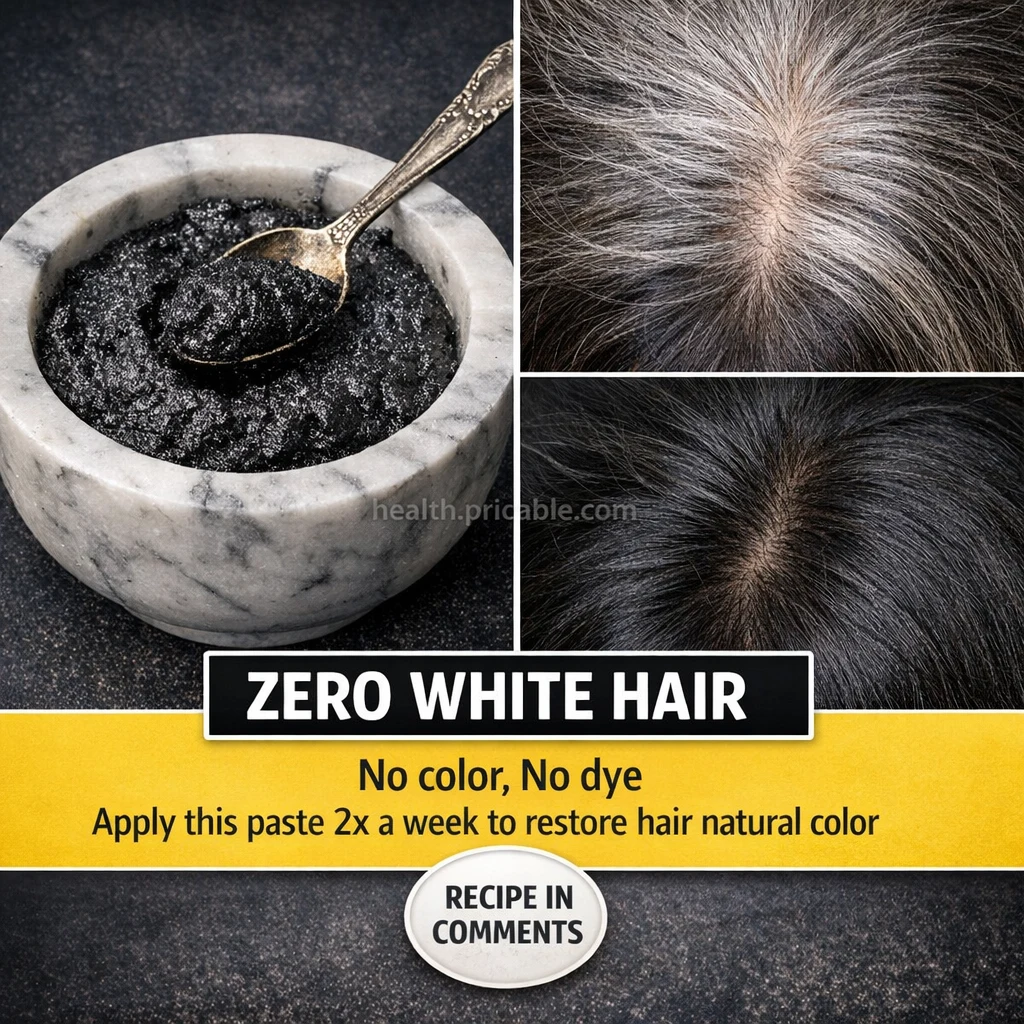
What a black paste may do is make hair look deeper, shinier, and less dull for a short time, especially when using dark ingredients like black sesame, coffee, amla, or indigo-style herbal powders.
Why this paste can make hair look richer
- Temporary tone: dark powders and coffee can lightly tint porous strands.
- Shine boost: oils and aloe can make coarse gray hair look smoother.
- Conditioning feel: a paste can soften the look of dry, wiry strands.
- Scalp ritual: gentle application encourages consistent hair care.
- Low commitment: a mask is easier to test than permanent color.
The key is choosing whether you want a conditioning mask, a temporary tint, or a stronger herbal color product. Those are not the same thing.
Best black hair paste for gray hair: what to choose
The best black hair paste for gray hair depends on your goal. If you want shine and softness, use a conditioning paste. If you want visible color deposit, you may need an herbal color product designed for gray coverage.
- For shine: black sesame powder, aloe vera gel, and a few drops of oil.
- For a soft temporary tint: coffee, amla powder, and black tea.
- For stronger herbal color: henna and indigo systems, used carefully and patch tested.
- For sensitive scalps: fragrance-free, essential-oil-free formulas.
If your hair is very light, porous, bleached, or chemically treated, test a hidden strand first. Dark pastes can stain unevenly.
What to look for before you buy gray hair darkening products
Gray hair darkening products can range from gentle masks to permanent dyes. Read the label carefully before buying.
- Clear product type: mask, rinse, semi-permanent color, herbal dye, or permanent dye.
- Patch test instructions: a trustworthy product should tell you how to test.
- No vague miracle claims: avoid products promising permanent reversal in days.
- Ingredient transparency: look for a full ingredient list.
- PPD awareness: some hair dyes contain strong color chemicals that can irritate sensitive users.
- Color result guide: useful for matching your starting shade.
- Gray coverage claim: check whether it says blends gray or covers gray.
- Aftercare needs: some products require sulfate-free shampoo or color-safe care.
A conditioning black paste and a gray-covering dye are different purchases. Decide which result you want before buying.
How to make black hair paste at home
This DIY version is designed as a dark conditioning mask with a soft tint effect. It is not a permanent dye.
Ingredients
- 2 tablespoons black sesame seed powder
- 1 tablespoon amla powder
- 1 tablespoon strong cooled black coffee
- 1 tablespoon aloe vera gel
- 1 teaspoon coconut oil, olive oil, or argan oil
- Optional: 1 teaspoon indigo powder for deeper temporary tone
Steps
- Grind black sesame seeds into a fine powder, or use pre-ground black sesame powder.
- Add black sesame powder and amla powder to a bowl.
- Mix in cooled black coffee slowly until a thick paste forms.
- Add aloe vera gel and oil.
- Stir until smooth and spreadable.
- Let the paste sit for 10 minutes before applying.
- Use immediately and discard leftovers.
Do not store this wet paste for later. Fresh DIY hair masks can spoil quickly.
How to use black hair paste on gray hair
Apply the paste to clean, slightly damp hair. Focus on gray areas first, especially the temples, part line, and front hairline.
- Wear gloves and an old shirt.
- Apply a thin layer of oil or balm around the hairline to reduce skin staining.
- Section the hair into 4 parts.
- Apply paste to gray areas first.
- Work the remaining paste through the lengths if desired.
- Cover with a shower cap for 20 to 30 minutes.
- Rinse thoroughly with cool to lukewarm water.
- Shampoo lightly if needed, then condition.
Use once weekly for a conditioning effect. If your hair feels dry afterward, reduce the amla powder and increase aloe gel next time.
Common Mistakes + Quick Fixes
- Mistake: expecting permanent gray reversal. Why: topical masks do not change follicle pigment. Fix: use the paste for tone, shine, and softness.
- Mistake: skipping a strand test. Why: porous hair can grab color unevenly. Fix: test behind the ear or underneath the hair first.
- Mistake: making the paste too watery. Why: it drips and stains skin. Fix: keep it thick like yogurt.
- Mistake: leaving it on too long. Why: some powders can dry the hair. Fix: start with 20 minutes.
- Mistake: using hot coffee. Why: heat can irritate the scalp. Fix: cool the coffee completely.
- Mistake: applying before an event. Why: results can vary. Fix: test the routine on a low-pressure day.
- Mistake: storing leftovers. Why: wet DIY mixtures spoil. Fix: make a fresh batch each time.
Black hair paste for sensitive scalp
If your scalp is sensitive, keep the recipe simple. Skip essential oils, strong fragrance, lemon juice, baking soda, and harsh spices.
Use aloe vera gel, black sesame powder, and a small amount of oil for the first test. Add coffee or amla only if your scalp tolerates the basic version.
Safety Note
- Patch test the paste on a small area of skin 24 hours before use.
- Strand test before applying to visible gray hair.
- Avoid use on broken, itchy, inflamed, or irritated scalp.
- Wear gloves because dark ingredients can stain nails and skin.
- Do not use near the eyes or eyebrows.
- Discard leftovers immediately after use.
Realistic timeline
- Same day: hair may look darker, glossier, or more conditioned until the next wash.
- 1 week: weekly use may make coarse gray strands feel softer and easier to style.
- 2 to 4 weeks: the routine may help gray areas look less dull, but permanent color change should not be expected.
FAQ
What is the best black hair paste for gray hair?
The best option depends on your goal. For shine, use black sesame and aloe. For temporary tone, add coffee or amla. For stronger coverage, look into properly formulated herbal color systems.
What should I look for before buying gray hair darkening products?
Check whether the product is a mask, rinse, semi-permanent color, herbal dye, or permanent dye. Look for clear ingredients, patch test instructions, and realistic claims.
How do you make black hair paste at home?
Mix black sesame powder, amla powder, cooled black coffee, aloe vera gel, and a small amount of oil into a thick paste. Apply fresh and discard leftovers.
How do you use black hair paste on gray hair?
Apply it to clean, damp hair, focusing on gray areas first. Cover for 20 to 30 minutes, then rinse thoroughly and condition.
Is black hair paste safe for sensitive scalp?
It can be too strong for some sensitive scalps, especially with coffee, amla, or indigo. Patch test first and start with a simple aloe and black sesame version.
Can black hair paste permanently reverse white hair?
No. A topical paste cannot permanently reverse white or gray hair caused by pigment changes. It may temporarily darken, tone, or condition the hair.
Will black sesame make gray hair black?
Black sesame may add a dark paste effect and conditioning feel, but it should not be expected to permanently turn gray hair black.
How often should I use black hair paste?
Once weekly is enough for most people. Use less often if your scalp feels dry, tight, itchy, or irritated.
If you want a subtle refresh, a DIY paste may be enough. If you want reliable gray coverage, compare proper gray-darkening products, ingredient safety, and color result guides before choosing.
Final takeaway
- Best use-case: adding shine, softness, and a temporary darker look to dull gray strands.
- Simplest routine: black sesame powder, aloe gel, cooled coffee, and a small amount of oil.
- What to buy: transparent gray-darkening products with clear patch test instructions.
- What to avoid: miracle reversal claims, harsh spices, lemon juice, and skipping strand tests.
- Next step: test a small hidden section before applying the paste to your part line or temples.