If you have a small thinning area near your hairline or crown, you have probably seen viral posts claiming one simple oil can bring the spot back fast. That is exactly why clove oil for bald patch care keeps getting attention.
The appeal is easy to understand. It is inexpensive, simple to apply, and fits into a home hair routine without a lot of effort. Many people like it because it combines scalp massage with a warming herbal oil that makes the scalp feel refreshed.
If your goal is to make a bald patch look healthier, support the scalp, and create a better routine for fragile hair, this is one of the most common DIY options people start with.
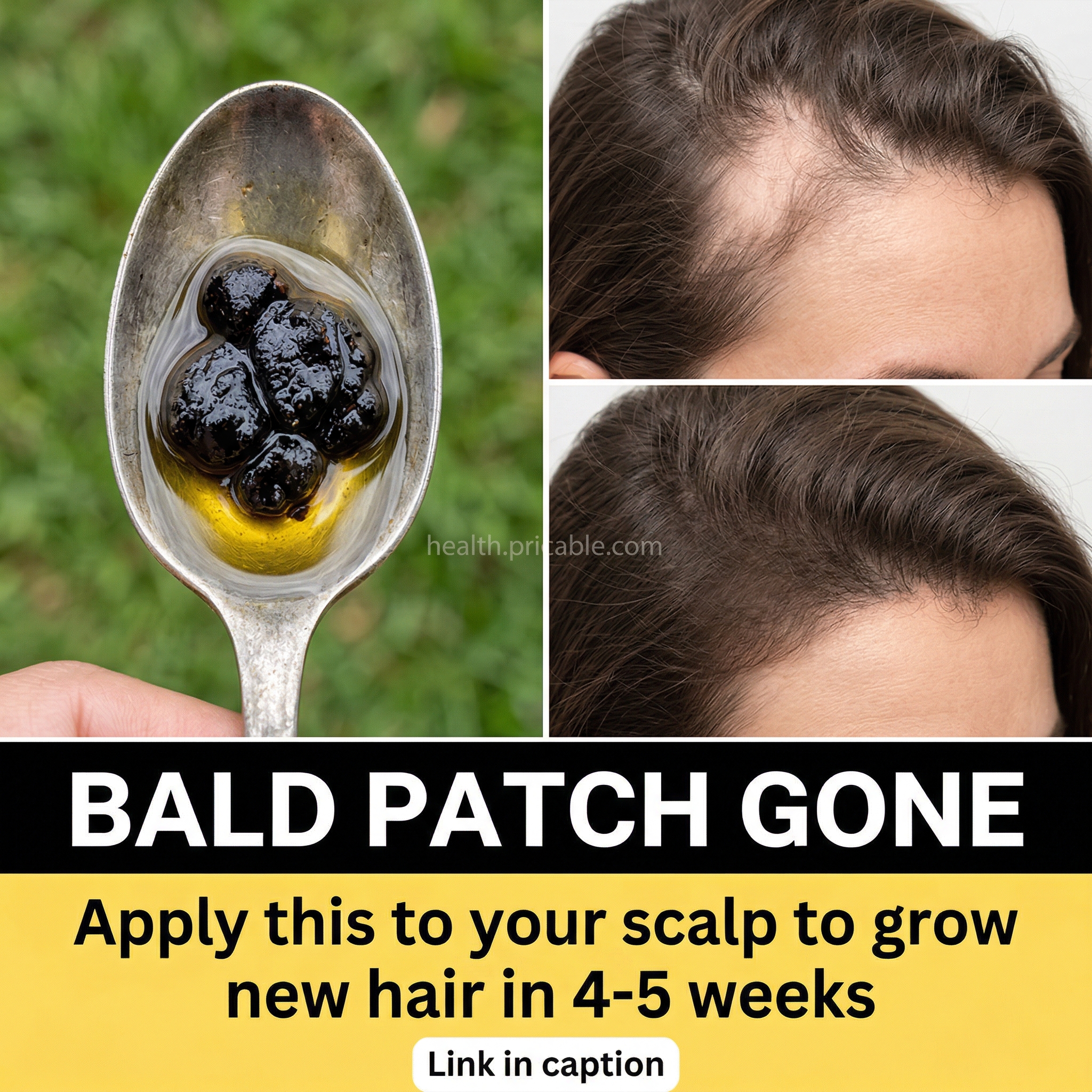
Can Clove Oil Really Help a Bald Patch?
It can be a useful part of a scalp-care routine, but it is not a guaranteed fix for every type of hair loss. A bald patch can come from breakage, tension, postpartum shedding, inflammation, age-related thinning, or medical conditions like alopecia areata.
That means clove oil works best as a supportive routine, not as a miracle promise. For some people, the biggest benefit comes from regular scalp massage, less dryness, and better hair-care habits around the thinning area.
If the patch is new, getting larger, itchy, painful, or completely smooth, it is smart to get it checked instead of relying only on home remedies.
Why People Use Clove Oil for Bald Patch Care
- It encourages scalp massage. Massage can help distribute oil, loosen buildup, and make the scalp feel more active and cared for.
- It helps soften dryness. When diluted in a carrier oil, clove oil can leave the scalp less dry and tight.
- It supports a simple routine. Consistency matters more than random one-time treatments.
- It pairs well with other scalp-friendly oils. Many people mix it with coconut oil, castor oil, or jojoba oil.
- It may improve the look of fragile hair. A better-conditioned scalp and less breakage can make thin areas look fuller over time.
How to Make a Simple Clove Oil Blend at Home
Option 1: Quick diluted clove oil blend
This is the easiest option if you already have clove essential oil.
- 2 tablespoons coconut oil, jojoba oil, or sweet almond oil
- 1 tablespoon castor oil
- 1 to 2 drops clove essential oil
Mix well in a small bowl or dropper bottle. Keep the clove oil low because it is strong and can irritate the scalp when overused.
Option 2: Gentle clove-infused oil
This is a milder option for people who prefer infused oils over essential oils.
- 1/4 cup carrier oil such as coconut oil or olive oil
- 1 to 2 teaspoons whole cloves
- Warm the carrier oil on very low heat.
- Add the cloves and let them infuse gently for 10 to 15 minutes.
- Turn off the heat and let the oil cool completely.
- Strain into a clean glass bottle.
The oil should smell lightly spicy, not burnt. If it smells scorched, start over.
How to Apply Clove Oil to a Bald Patch
- Start with a clean, dry scalp or a scalp that is only slightly damp.
- Part the hair so the thinning area is easy to reach.
- Apply a few drops only to the bald patch and the surrounding scalp.
- Massage gently with fingertips for 2 to 3 minutes.
- Leave it on for 30 minutes before washing, or use a very small amount as a short pre-wash treatment.
- Repeat 2 to 3 times per week.
You do not need to drench the scalp. A light, consistent application works better than using too much product.
A Better Routine If Your Bald Patch Is Near the Hairline
Hairline thinning often gets worse from tight styles, rough brushing, edge control buildup, or frequent heat styling. In that case, the oil matters less than the full routine.
- Skip tight ponytails and slick styles for a few weeks
- Reduce hot tools around the thinning area
- Use a soft brush instead of pulling on the roots
- Wash away heavy gels and sprays that sit on the scalp
- Massage gently instead of scratching the area
Clove oil tends to work best when it is part of a lower-tension, lower-breakage routine.
Buying Guide: What to Look for Before You Put Anything on a Bald Patch
- Dilution-friendly formula: Avoid using strong essential oil blends straight from the bottle unless they are clearly pre-diluted for scalp use.
- Clear ingredient list: Choose products with simple oils and minimal fragrance.
- Dark glass bottle: This helps protect oils from light and keeps them fresher longer.
- Fresh smell, not rancid: Oils should smell clean and herbal, not sour or stale.
- Carrier oil match: Dry scalp often prefers richer oils, while oily scalp usually does better with lighter oils.
- No heavy mineral buildup: Thick formulas can make the scalp feel coated and harder to cleanse.
- Patch-test suitability: Strong oils should always be tested on a small area first.
- Easy applicator: Dropper bottles make it easier to target one small patch without overapplying.
- Low-irritation approach: Skip blends packed with too many essential oils at once.
Common Mistakes and Quick Fixes
- Using undiluted clove oil: Fix it by mixing only 1 to 2 drops into a few tablespoons of carrier oil.
- Applying too much: Fix it by using a few drops only on the target area.
- Expecting overnight change: Fix it by following the routine for several weeks before judging it.
- Massaging too aggressively: Fix it by using light fingertip pressure, not nails.
- Ignoring the cause of the patch: Fix it by checking for tight hairstyles, breakage, stress, or scalp irritation.
- Leaving on a burning formula: Fix it by washing it off immediately if the scalp stings or feels hot.
- Using dirty tools or bottles: Fix it by storing oil in a clean container and keeping hands clean during application.
Safety Note Before You Try It
Always patch test first. Apply a tiny amount of diluted oil behind the ear or on a small area of skin and wait 24 hours.
- Avoid use on broken, irritated, or freshly scratched scalp skin
- Stop immediately if you feel burning, sharp tingling, or redness
- Store the oil in a cool, dry place away from direct sunlight
- Keep strong oils away from children and pets
- Skip this routine if you know you react badly to essential oils or spicy botanical ingredients
If the bald patch spreads quickly, becomes smooth and shiny, or comes with heavy shedding, it is better to get professional advice instead of relying on DIY care alone.
Timeline: When You Might Notice Changes
- After 1 week: The scalp may feel softer, less dry, and easier to massage.
- After 2 to 4 weeks: You may notice less roughness, less breakage around the area, and a healthier-looking scalp.
- After 4 to 8 weeks: Some people notice the area looks less obvious as surrounding hair looks healthier and finer new growth may begin to show.
- After 8 weeks and beyond: This is the point where consistency matters most. If nothing changes, it may be time to review the cause of the patch.
Results depend on why the bald patch appeared in the first place. A tension-related thin spot and a medical hair-loss condition do not respond the same way.
FAQ About Clove Oil for Bald Patch Care
1. How often should I use clove oil on a bald patch?
Two to three times per week is a practical starting point. Using it every day can be too much for sensitive scalps.
2. Can I leave clove oil on overnight?
It is safer to start with a short treatment first. If your scalp tolerates it well and the formula is mild, some people leave a small amount on longer, but overnight use is not necessary.
3. What is the best carrier oil to mix with clove oil for hair?
Coconut oil, jojoba oil, and sweet almond oil are common choices. Castor oil is often added in a small amount for a thicker blend.
4. Can clove oil help a completely smooth bald patch?
Sometimes a smooth patch needs more than home care. DIY routines may support scalp comfort, but they do not replace treatment for underlying causes.
5. Should I use clove oil on wet or dry hair?
It is usually easiest on a dry or slightly damp scalp so the oil reaches the skin more directly.
6. How long does it take to see new hair growth?
Some people look for visible changes within 4 to 8 weeks, but timelines vary a lot depending on the reason for thinning and how consistent the routine is.
7. What should I look for when buying clove oil for hair use?
Look for a clear ingredient list, a bottle that protects the oil well, and a formula that is easy to dilute and patch test.
8. Is clove-infused oil better than clove essential oil?
Clove-infused oil is usually milder and easier for beginners. Clove essential oil is stronger and needs more caution.
9. Can I mix clove oil with rosemary oil for a bald patch?
Some people do, but combining too many strong oils can raise the chance of irritation. Keep the blend simple and mild.
10. Where should I buy scalp oil for a thinning patch?
Choose a seller that provides a full ingredient list, proper packaging, and a formula designed for skin or scalp use rather than mystery blends with vague claims.
Final Takeaway
- Clove oil for bald patch care is best used as a supportive scalp routine, not a miracle cure.
- Dilution matters. Stronger is not better.
- Consistent scalp massage and gentler hair habits usually matter as much as the oil itself.
- Give the routine a few weeks, not a few days.
- If the patch is growing, irritated, or completely smooth, get expert advice instead of guessing.