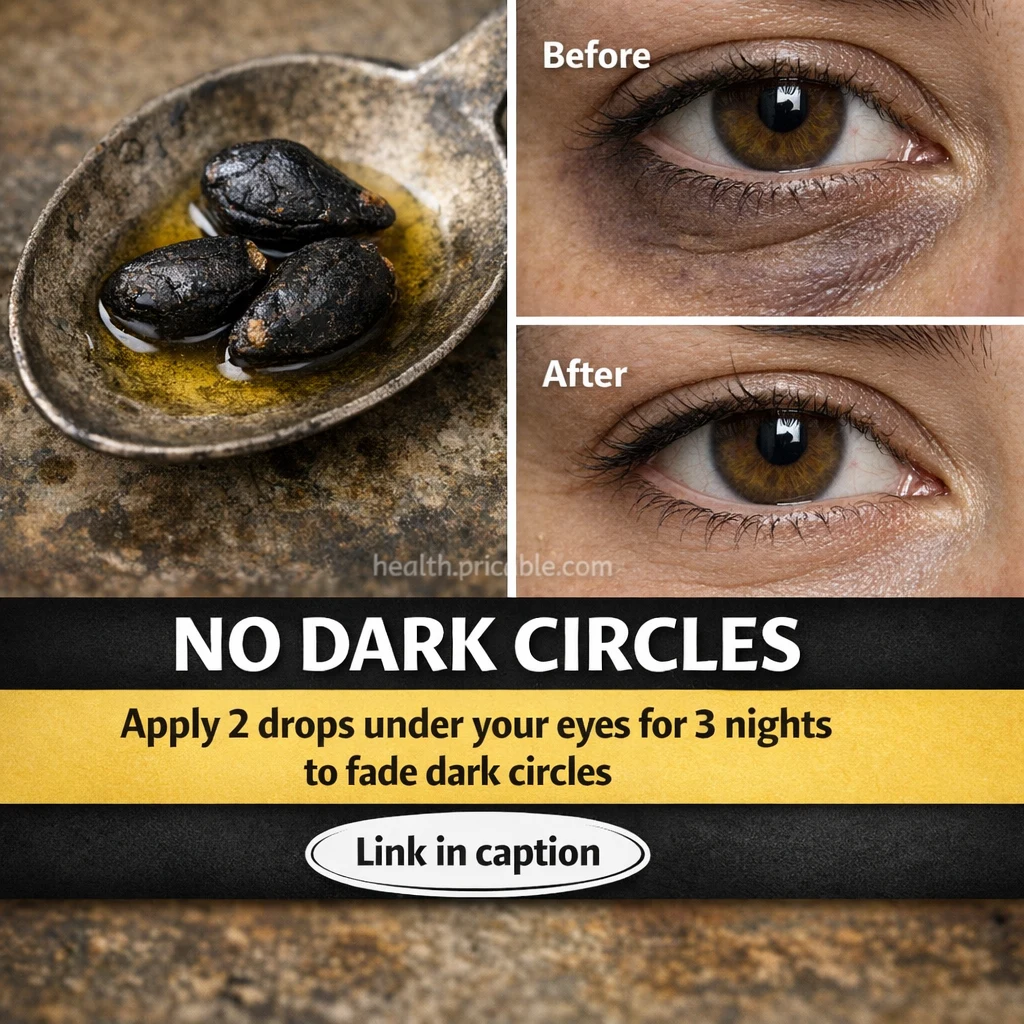
Black seed oil for dark circles is one of those tiny beauty tricks that feels almost too simple: two drops, a light tap, and a few quiet minutes before bed.
The appeal is obvious. Dark under-eyes can make your face look tired even when you slept well, and a simple oil routine feels easier than layering five products.
The best version is not about soaking the eye area. It is about using a very small amount, diluted properly, so the skin looks smoother, softer, and more rested by morning.
Here is the grounded version: black seed oil will not erase genetic dark circles, deep hollowing, allergies, or pigmentation overnight. But when used carefully, it may help support a softer-looking under-eye area by reducing dryness and improving the look of dull skin.
Think of it as a conditioning step, not a miracle treatment.
Why this tiny routine gets attention
- It adds slip: dry under-eye skin reflects light unevenly, which can make shadows look stronger.
- It seals moisture: a thin oil layer can help keep nighttime hydration from evaporating too quickly.
- It encourages gentle touch: tapping in two drops is much better than rubbing the delicate eye area.
- It fits an easy routine: one tiny step at night is easier to repeat than a complicated skincare stack.
If you want to try it, the real decision is not whether to use a lot. It is choosing a clean oil, diluting it well, and knowing when your under-eye skin is too sensitive for it.
Best black seed oil for dark circles: cold-pressed or refined?
For the under-eye area, the best black seed oil is usually cold-pressed, cosmetic-grade, and packaged in a dark glass bottle. Cold-pressed oils tend to be less processed, while refined oils may feel lighter but can vary more in quality.
The scent of black seed oil is naturally strong and peppery. If a product smells rancid, sour, or unusually sharp, do not use it near your eyes.
Simple 2-drop night blend
- 1 teaspoon black seed oil
- 2 teaspoons jojoba oil, squalane, or sweet almond oil
- 1 clean dark glass dropper bottle
This gives you a gentler dilution than using black seed oil straight from the bottle. For many people, diluted oil is the difference between a comfortable routine and irritation.
What to look for before you buy black seed oil for eyes
Before buying black seed oil for the eye area, look beyond the front label. The under-eye zone is thin, reactive, and close to the eyes, so quality matters.
- Cosmetic-grade or food-grade purity: avoid industrial or mystery oils.
- Cold-pressed label: this is often preferred for skincare use.
- Dark glass bottle: helps protect the oil from light exposure.
- No fragrance added: fragrance near the eyes can trigger watering or irritation.
- No essential oil blend: avoid products mixed with peppermint, tea tree, eucalyptus, cinnamon, or clove near the eyes.
- Simple ingredient list: ideally Nigella sativa seed oil only.
- Freshness date: choose a bottle with a clear expiration or batch date.
- Small bottle size: smaller bottles are easier to finish before oxidation.
Avoid any black seed oil product that is marketed as a “burning” or “strong” treatment. The under-eye area should never burn.
How to use black seed oil for dark circles at night
Use this as the last step of your nighttime routine, after cleansing and after any lightweight moisturizer. The goal is a thin conditioning layer, not a greasy mask.
- Wash your hands and cleanse your face.
- Apply your regular gentle moisturizer first.
- Place one small drop of the diluted oil on your ring finger.
- Tap the oil along the orbital bone, not directly on the lash line.
- Use the second drop only if both eyes still feel dry.
- Stop at least half an inch away from the eye opening.
- Use 2 to 3 nights per week at first.
If your eyes water, sting, or feel blurry, you used too much or applied it too close to the eye. Remove it with a gentle cleanser and rinse carefully.
How to dilute black seed oil for under eyes
Black seed oil can feel active on delicate skin, so dilution is the smarter starting point. A good beginner ratio is one part black seed oil to two or three parts carrier oil.
Beginner dilution
- 1 teaspoon black seed oil
- 3 teaspoons jojoba oil or squalane
- Mix in a clean bottle and shake gently
Stronger but still cautious dilution
- 1 teaspoon black seed oil
- 2 teaspoons jojoba oil or sweet almond oil
- Use only after your skin tolerates the beginner blend
Do not mix black seed oil with lemon juice, baking soda, toothpaste, or essential oils for the under-eye area. Those combinations are much more likely to irritate than help.
Common Mistakes + Quick Fixes
- Mistake: applying it directly under the lash line. Why: it can migrate into the eyes. Fix: keep it on the orbital bone.
- Mistake: using undiluted oil right away. Why: the under-eye area is easily irritated. Fix: start with a 1:3 dilution.
- Mistake: applying too much. Why: excess oil can puff, smear, or cause blurry vision. Fix: use one tiny drop per side.
- Mistake: expecting three-night permanent results. Why: shadows often come from sleep, genetics, allergies, or facial structure. Fix: track hydration and texture instead.
- Mistake: using an old bottle. Why: oxidized oil can smell bad and irritate skin. Fix: replace rancid oil immediately.
- Mistake: layering over strong retinoids or acids. Why: the combo can be too much. Fix: use the oil on non-active nights.
Black seed oil for sensitive under eye skin
If your under-eye skin is sensitive, start slower than the viral routine suggests. Patch test first, then use the diluted blend once or twice a week before increasing frequency.
Safety Note
- Patch test on the inner arm for 24 hours before using near the eyes.
- Do not use on broken, peeling, sunburned, or freshly exfoliated skin.
- Avoid if you have a known allergy to black seed or related botanicals.
- Do not use inside the eyes or directly on the waterline.
- Store in a cool, dark place and discard if the smell changes.
Realistic timeline
- Same day: the under-eye area may look slightly glossier and less dry.
- 1 week: skin texture may feel softer if dryness was part of the problem.
- 2 to 4 weeks: some people notice the area looks more comfortable and less dull, especially when paired with sleep, hydration, and sunscreen.
FAQ
What is the best black seed oil for dark circles?
Choose a cold-pressed, fragrance-free black seed oil in a dark glass bottle. For under-eyes, it is usually best to dilute it with jojoba, squalane, or sweet almond oil.
What should I look for before buying black seed oil for eyes?
Look for a simple ingredient list, fresh batch date, dark bottle, and no added essential oils or fragrance. Avoid anything that feels harsh or heavily perfumed.
How do you use black seed oil for dark circles?
Use one tiny drop of diluted oil per side, tap it on the orbital bone at night, and keep it away from the lash line. Start 2 to 3 nights per week.
How do you dilute black seed oil for under eyes?
Start with 1 teaspoon black seed oil mixed with 3 teaspoons jojoba oil or squalane. Shake well and use only a tiny amount.
Is black seed oil safe for sensitive under eye skin?
It may be too strong for some sensitive skin types. Patch test first, dilute it well, and stop if you notice burning, redness, itching, or watering.
Can black seed oil remove dark circles permanently?
No topical oil can permanently remove all dark circles. It may help the area look smoother if dryness and dullness are making shadows more noticeable.
Can I use black seed oil every night?
Some people can, but beginners should start 2 to 3 nights per week. Increase only if the skin stays calm.
Should I use black seed oil before or after moisturizer?
Use it after moisturizer as a final sealing step. Oils work best when they help lock in hydration rather than replacing hydration entirely.
When choosing a bottle, compare purity, packaging, and fragrance-free labeling before buying. A clean, simple oil used carefully is better than a strong blend used too close to the eyes.
Final takeaway
- Best use-case: dry, dull-looking under-eyes that need gentle conditioning.
- Simplest routine: moisturizer first, then one tiny drop of diluted oil per side.
- What to buy: cold-pressed, fragrance-free black seed oil in dark glass.
- What to avoid: essential oil blends, old rancid oil, and applying too close to the eye.
- Next step: patch test, dilute, and track how your under-eyes look after one week.