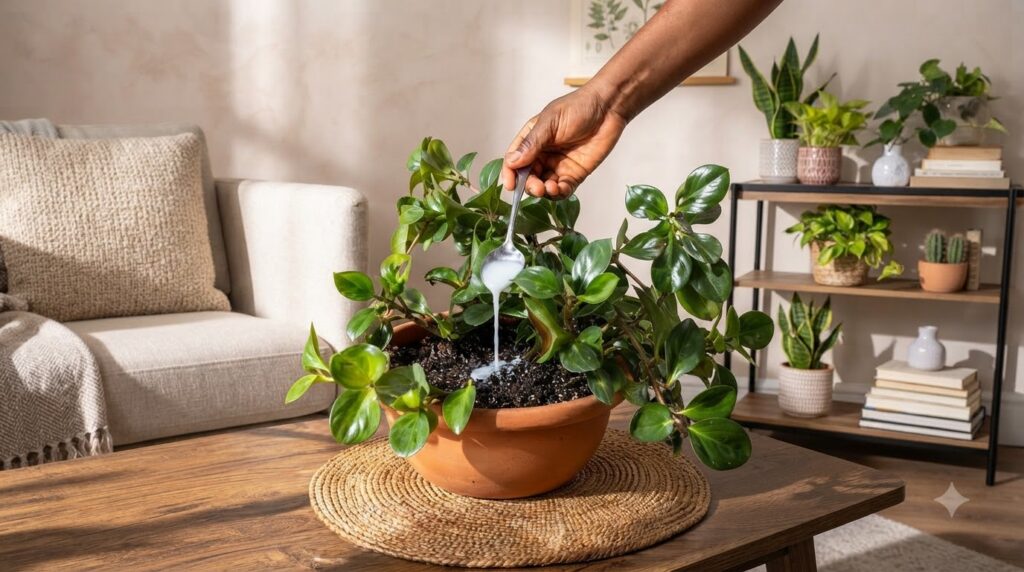
Embracing the lush beauty of indoor houseplants is a wonderful way to bring a touch of nature’s healing into our homes. They purify the air, boost our mood, and add a vibrant aesthetic to any space. However, nurturing these green companions requires a little know-how, especially when it comes to feeding them. Many of us face the pain point of plants not thriving, looking dull, or even worse, slowly dying. The good news? You don’t always need store-bought chemicals to give your plants the boost they need!
Today, we’re diving into the wonderful world of homemade liquid fertilizers – a natural, cost-effective, and sustainable way to ensure your houseplants flourish. Let’s learn how to create nature’s own growth elixir right in your kitchen!
Why Choose Homemade Liquid Fertilizers?
Opting for DIY fertilizers offers a wealth of benefits for both your plants and the environment:
- Natural & Safe: You know exactly what’s going into your plants’ soil, avoiding harsh chemicals that can harm beneficial microorganisms or build up over time.
- Cost-Effective: Many ingredients are kitchen scraps or common household items, saving you money on commercial products.
- Sustainable: Reduces waste by repurposing materials that might otherwise be thrown away.
- Tailored Nutrition: You can often target specific nutrient needs of your plants with particular ingredients.
Understanding Your Plant’s Basic Needs
Before we start mixing, it’s good to remember what plants primarily need:
- Nitrogen (N): Essential for lush, green leafy growth.
- Phosphorus (P): Supports strong root development, flowering, and fruiting.
- Potassium (K): Crucial for overall plant health, disease resistance, and water regulation.
They also need various micronutrients, which homemade options can often provide naturally.
Simple Homemade Liquid Fertilizer Recipes
Here are some easy-to-make liquid fertilizers using common household items:
1. Banana Peel Brew (Potassium Powerhouse)
Banana peels are rich in potassium, perfect for promoting strong stems, flowering, and overall plant vigor.
- Ingredients: 2-3 banana peels, 1 liter of water.
- Method: Chop the banana peels into small pieces. Place them in a jar and cover with 1 liter of water. Let it steep for 24-48 hours.
- Application: Strain the liquid and dilute it with an equal amount of fresh water. Use this solution to water your flowering houseplants every 2-4 weeks during their growing season.
2. Coffee Ground Elixir (Nitrogen & Acidity Boost)
Used coffee grounds are a fantastic source of nitrogen, which encourages leafy growth, and can slightly acidify the soil, benefiting acid-loving plants like ferns, African violets, and some types of orchids.
- Ingredients: 1 cup of used coffee grounds, 2 liters of water.
- Method: Steep the coffee grounds in 2 liters of water for 24 hours.
- Application: Strain the liquid. Use this diluted solution to water your acid-loving houseplants every 4 weeks. Be mindful not to over-acidify the soil for plants that prefer neutral or alkaline conditions.

3. Epsom Salt Boost (Magnesium Magic)
Epsom salt (magnesium sulfate) provides magnesium, crucial for photosynthesis and nutrient absorption, and sulfur, another vital plant nutrient. It can help green up yellowing leaves and encourage bushier growth.
- Ingredients: 1 teaspoon of Epsom salt, 1 liter of water.
- Method: Dissolve the Epsom salt completely in 1 liter of water.
- Application: Water your plants with this solution once a month, especially those showing signs of magnesium deficiency (yellowing between leaf veins).
4. Compost Tea (All-Round Nutrient Rich)
Compost tea is like a multivitamin for your plants, providing a broad spectrum of nutrients and beneficial microbes.
- Ingredients: 1 cup of finished compost, 4 liters of non-chlorinated water (rainwater or filtered tap water is best).
- Method: Place the compost in a permeable bag (like a cloth bag or old nylon stocking) and suspend it in the water for 24-48 hours. Stir occasionally.
- Application: Remove the compost bag and use the resulting liquid to water your houseplants. It can be used every 2-4 weeks during the active growing season.
Tips for Success with Homemade Fertilizers
- Observe Your Plants: Every plant is unique. Pay attention to how your plants react to the fertilizers. If you notice any adverse effects, reduce the frequency or dilution.
- Don’t Over-Fertilize: More isn’t always better. Over-fertilizing can lead to nutrient burn, causing leaves to turn brown and crispy. Stick to the recommended frequencies.
- Water First: Always water your plants thoroughly with plain water before applying liquid fertilizer. This helps prevent root burn and ensures even absorption.
- Consistency is Key: Regular, moderate feeding during the growing season (spring and summer) is more beneficial than infrequent, heavy doses.
- Store Properly: Most homemade liquid fertilizers are best used immediately. If you have leftovers, store them in an airtight container in a cool, dark place for no more than a few days, as they can start to ferment.
Embrace Your Inner Green Thumb!
Nurturing your houseplants with homemade liquid fertilizers is a rewarding practice that connects you more deeply with the natural cycles of growth and renewal. It’s an easy, eco-friendly way to ensure your indoor garden thrives, bringing vibrant health and beauty into your home. So go ahead, give these recipes a try, and watch your beloved plants flourish!