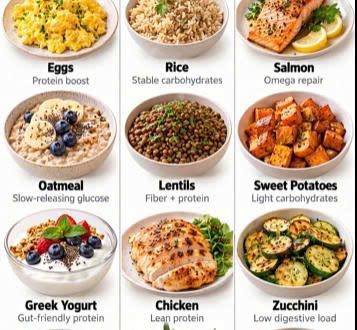
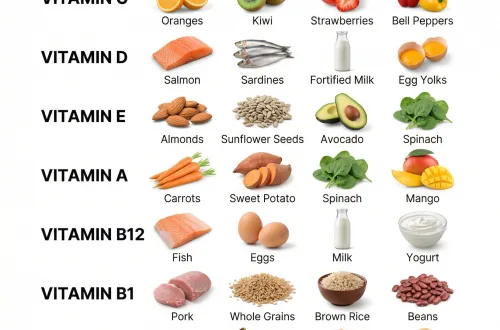
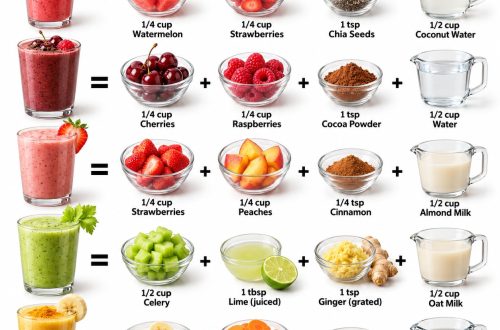
Sometimes the most useful nutrition tips are the simplest ones. You do not always need exotic powders or expensive superfoods. A few everyday foods can quietly add important nutrients to your plate in ways that genuinely surprise people.
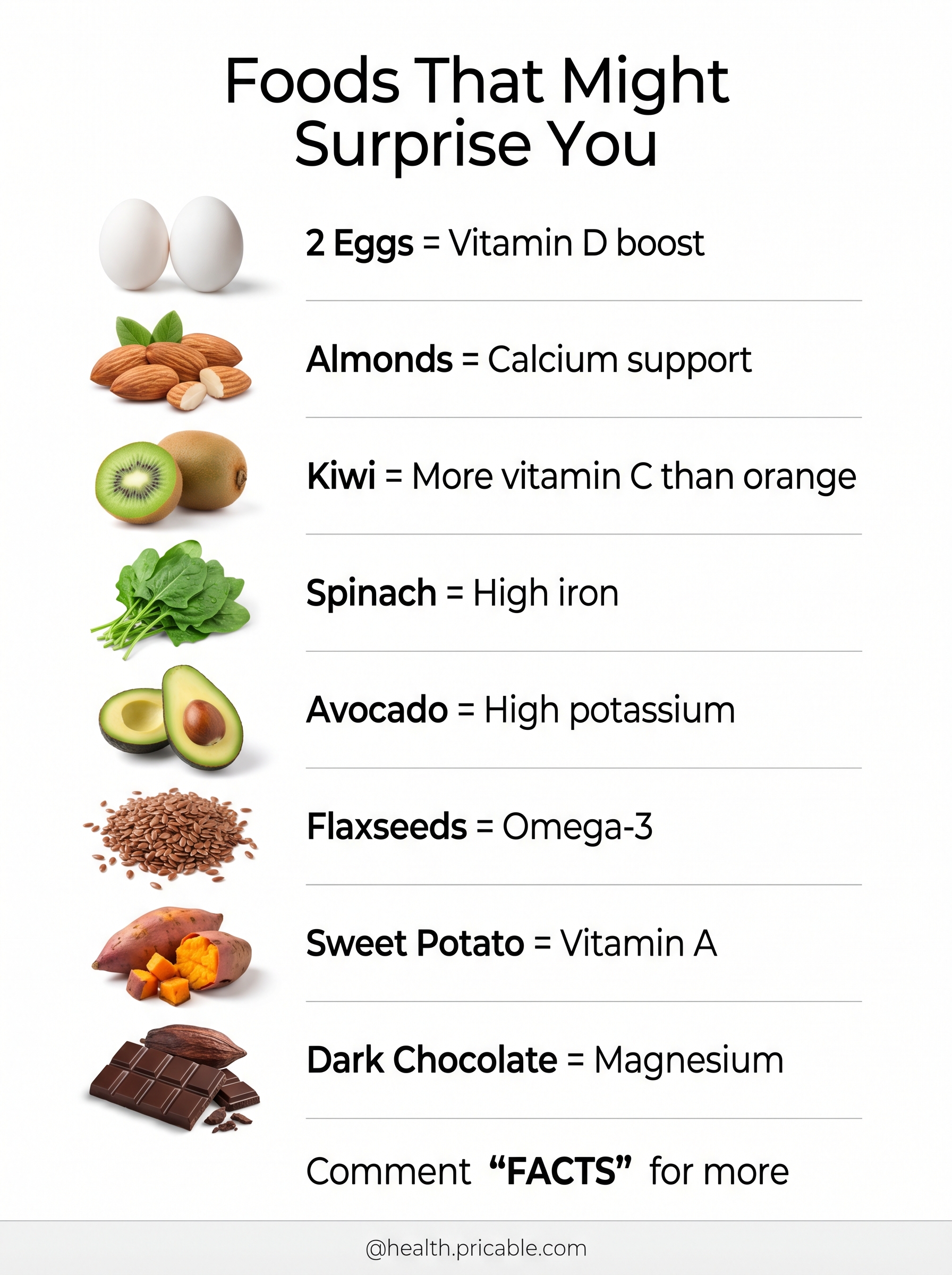
That is exactly why this list matters. It highlights surprising nutrient foods that support vitamin D, calcium, vitamin C, iron, potassium, omega-3s, vitamin A, and magnesium. The catch is that these foods help most when they are part of a varied routine, not when they are treated like magic fixes.
Why These Foods Stand Out
The body needs vitamins and minerals every day for energy production, nerve signaling, muscle function, immune support, vision, and bone health. NIH fact sheets note that vitamin D supports calcium absorption, potassium helps with muscle and nerve function, iron helps carry oxygen, and magnesium is involved in hundreds of body processes.
So when a simple food gives you one of these nutrients, it is worth noticing.
1) Eggs for a Vitamin D Boost
Eggs, especially the yolk, provide some vitamin D. That makes them one of the more practical whole foods for adding a little vitamin D to the diet, even though they usually will not meet your full daily need on their own. NIH lists egg yolks among food sources of vitamin D, which is important for calcium absorption and bone health.
A realistic way to use them is breakfast a few times a week, paired with other nutrient-rich foods.
2) Almonds for Calcium Support
Almonds are not as calcium-rich as dairy, but they still contribute meaningful calcium support as part of a balanced diet. Calcium is the body’s most abundant mineral and is essential for bones, teeth, and many normal body functions.
They also bring healthy fats, which can make snacks more satisfying. A small handful works well with fruit or yogurt.
3) Kiwi for Vitamin C Power
Kiwi is one of the standout vitamin C fruits. It is often highlighted because, gram for gram, it can be very competitive with oranges for vitamin C content. More importantly, NIH recognizes vitamin C as a key nutrient for collagen formation, wound healing, antioxidant protection, and improved absorption of non-heme iron from plant foods.
This makes kiwi a smart fruit to pair with iron-containing meals.
4) Spinach for Iron
Spinach is often mentioned for its iron content, and that is fair. NIH notes that spinach is one of the plant foods that naturally provides iron. It contains non-heme iron, the plant form of iron, which is absorbed better when eaten with vitamin C-rich foods like citrus, strawberries, tomatoes, or peppers.
That is why spinach salad with lemon juice or berries makes nutritional sense.
5) Avocado for Potassium
Many people think only of bananas when they hear potassium, but avocado is another valuable source. Potassium is needed for proper heart function, muscle contraction, and nerve transmission. NIH also notes that fruits and vegetables are important potassium contributors in a healthy diet.
Avocado also adds healthy fat, which helps meals feel more complete and satisfying.
6) Flaxseeds for Omega-3
Flaxseeds are one of the best-known plant sources of ALA omega-3, the form of omega-3 found in foods like flaxseed, soy, and canola. NIH explains that omega-3 fatty acids are part of healthy cell membranes and that flaxseed is a recognized source.
Ground flaxseed is usually the easiest form to use. You can stir it into oatmeal, yogurt, or smoothies.
7) Sweet Potato for Vitamin A
Sweet potato is one of the most useful foods for vitamin A support because it provides carotenoids, which the body can convert to vitamin A. NIH notes that vitamin A is important for vision, immune function, reproduction, and normal growth and development.
It is also practical, affordable, and naturally filling, which makes it easy to use regularly.
8) Dark Chocolate for Magnesium
Dark chocolate surprises many people here, but cocoa-containing foods can contribute magnesium. NIH explains that magnesium is needed for muscle and nerve function, blood pressure regulation, blood sugar control, and making protein, bone, and DNA. Nuts, seeds, whole grains, and leafy greens are classic sources, and dark chocolate can be a small bonus source too.
The key word is small. It is better treated as a helpful extra than as a primary magnesium strategy.
How to Build a Daily Plate Using These Foods
A simple pattern works best. Pair one mineral-rich food with one vitamin-rich produce food:
- Eggs with spinach
- Kiwi with almonds
- Sweet potato with avocado
- Yogurt with ground flaxseed
- A square or two of dark chocolate after a balanced meal
This approach is more realistic than chasing one “perfect” food.
When You Might Notice a Difference
You may notice better meal satisfaction and more variety within a few days. Broader nutrition related changes usually take several weeks of consistent eating, not one or two meals. That is especially true for nutrients connected to long-term patterns like iron, vitamin D, and magnesium status.
Simple Safety Notes
These foods are helpful, but they are not a substitute for medical care. Eggs provide some vitamin D, but deficiency often needs a broader plan. Spinach contains iron, but plant iron is absorbed less efficiently than heme iron. Dark chocolate and almonds are nutritious, but portion size still matters. People with kidney disease, iron disorders, or medication interactions should get individualized advice.
Final Takeaway
The most useful surprising nutrient foods are often already in your kitchen. Eggs, almonds, kiwi, spinach, avocado, flaxseeds, sweet potato, and dark chocolate can all add something valuable to your day. The real secret is not perfection. It is using these foods regularly, in smart combinations, across the week.
Related source science: NIH Office of Dietary Supplements fact sheets support the roles of vitamin D in calcium absorption, iron in oxygen transport, potassium in nerve and muscle function, magnesium in many metabolic processes, omega-3s in cell membranes, and vitamin A in vision and immune function.