When it comes to healthy baking and cooking, oats are a versatile staple in many kitchens. You might often see recipes calling for either oat flour or blended oats, and at first glance, they might seem interchangeable. After all, they’re both made from oats and share a remarkably similar appearance – a fine, pale powder. However, don’t let their identical look fool you! These two forms of oats have distinct properties that significantly impact your recipes, from the final texture to how much your baked goods rise.
Understanding the fundamental differences between oat flour and blended oats is crucial for achieving perfect culinary outcomes. Using the wrong one can lead to dense muffins, crumbly cookies, or a less-than-ideal rise in your favorite baked treats. This comprehensive guide will demystify the distinctions, explain how each is made, and empower you to choose the right oat product for your healthy cooking adventures.
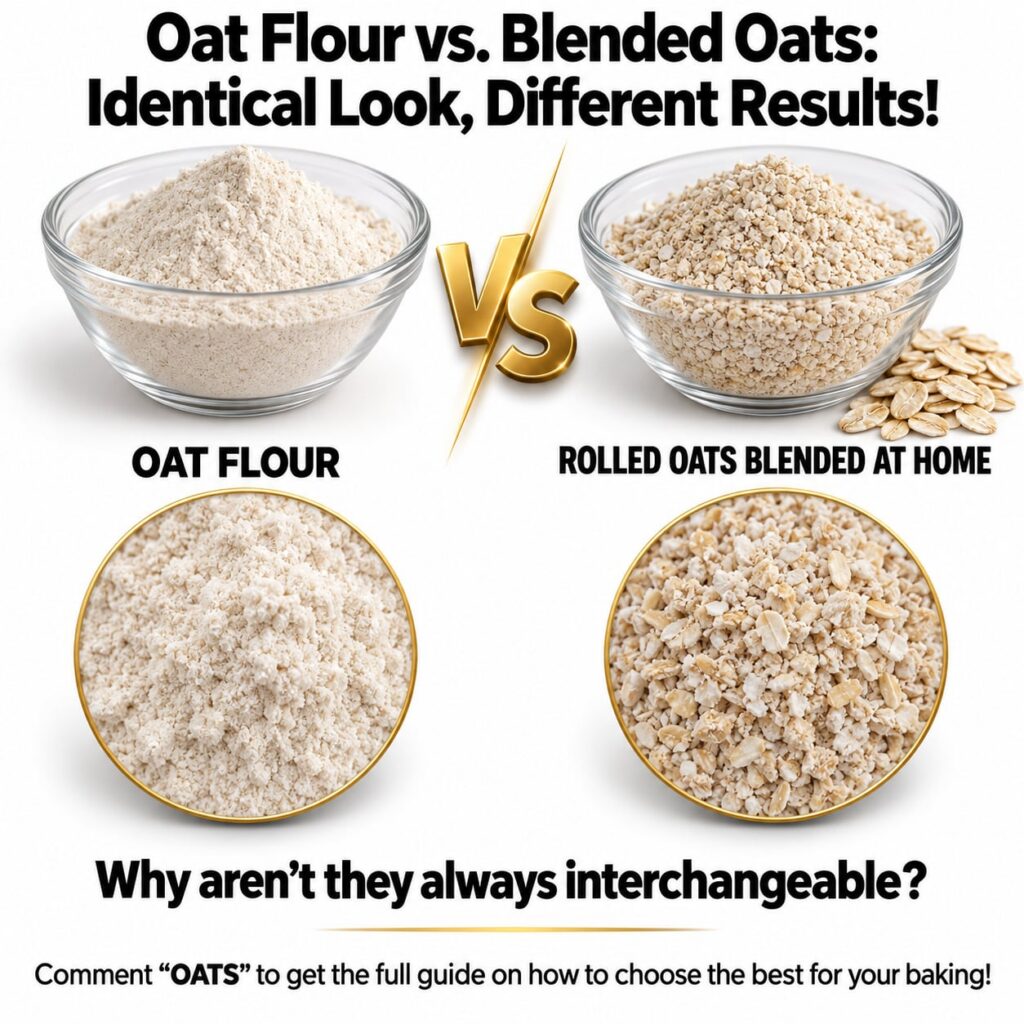
What Exactly Are Oat Flour and Blended Oats?
Before diving into their differences, let’s establish what each product is.
Oat Flour: The Milled Masterpiece
Oat flour is a finely ground powder made from whole rolled oats. It’s produced by milling oats into a very fine consistency, much like wheat flour. Commercial oat flour is often processed in specialized mills to achieve an extremely uniform and superfine texture. This fine grind is what gives oat flour its unique properties in baking.
Blended Oats: The Home Kitchen Hero
Blended oats, often referred to as homemade oat flour, are simply rolled oats that have been pulverized in a high-speed blender or food processor until they reach a powdery consistency. While they may *look* similar to commercial oat flour, the key difference lies in the fineness and uniformity of the grind, which is typically coarser than commercially milled flour.
How They’re Made: The Crucial Difference in Processing
The method of preparation is where the distinction truly begins and profoundly affects their functional properties in recipes.
- Commercial Oat Flour: This is produced using industrial milling equipment that grinds oats into a consistent, extremely fine powder. The controlled process ensures minimal heat generation and a uniform particle size, which is critical for consistent baking results.
- Homemade Blended Oats: Made in a standard kitchen blender or food processor, the grinding process is less precise. While you can achieve a powdery texture, it will almost always contain slightly larger, more irregular particles compared to commercially milled flour. This difference in particle size, though subtle to the eye, makes a big impact.
Key Differences: Texture, Absorption, and Baking Impact
The varying particle sizes and processing methods lead to significant differences in how oat flour and blended oats behave in your cooking and baking.
- Texture and Fineness: Commercial oat flour is ultra-fine and consistent. Blended oats, while powdery, have a slightly coarser, less uniform texture. This affects the mouthfeel of your final product.
- Moisture Absorption: Because of its finer particles, oat flour tends to absorb liquids more readily and quickly than blended oats. This means recipes designed for true oat flour might turn out drier or require more liquid if you substitute with blended oats. Conversely, blended oats might leave your baked goods too wet or dense if you don’t adjust the liquid content.
- Structure and Rise: The uniform, fine particles of oat flour create a more cohesive structure in baked goods, allowing for a better rise and a more delicate crumb. Blended oats, with their slightly larger particles, can result in a denser, chewier texture and may not provide the same lift. This is particularly noticeable in delicate recipes like cakes, muffins, or gluten-free breads.
- Flavor Profile: While both retain the distinct nutty flavor of oats, the finer grind of oat flour can sometimes integrate more seamlessly into other flavors, making it less noticeable than the slightly coarser blended oats.
When to Use Oat Flour
For recipes where a delicate texture and consistent rise are paramount, oat flour is often the superior choice. Its fine texture integrates seamlessly, providing structure without heaviness.
- Delicate Baked Goods: Ideal for muffins, cakes, cookies, and quick breads where you want a lighter, more tender crumb.
- Gluten-Free Baking: When used in combination with other gluten-free flours, oat flour can contribute to a desirable texture and structure.
- Thickeners: Its fine nature makes it an excellent, subtle thickener for gravies, sauces, or soups without adding a gritty texture.
- Uniformity: For recipes requiring precise measurements and consistent results, especially in professional baking, oat flour offers reliability.
When to Use Blended Oats
Blended oats shine in recipes where a slightly denser, chewier texture is desired, or where the presence of oat particles adds a rustic, hearty element. They are a fantastic, economical option for many home cooking applications.
- Hearty Breakfasts: Perfect for pancakes, waffles, and some quick bread recipes where a slightly denser texture is welcome.
- Smoothies and Shakes: A great way to add fiber and substance to your morning smoothie.
- Meatloaf or Veggie Burgers: Blended oats can act as a binder, adding texture and nutrients.
- Energy Bites and No-Bake Desserts: Their slightly coarser texture works well in recipes that don’t rely on delicate leavening.
- As a Topping/Crumb: Use them as a coating for chicken or fish, or as a crunchy topping for fruit crisps.
Tips for Perfect Results with Oats
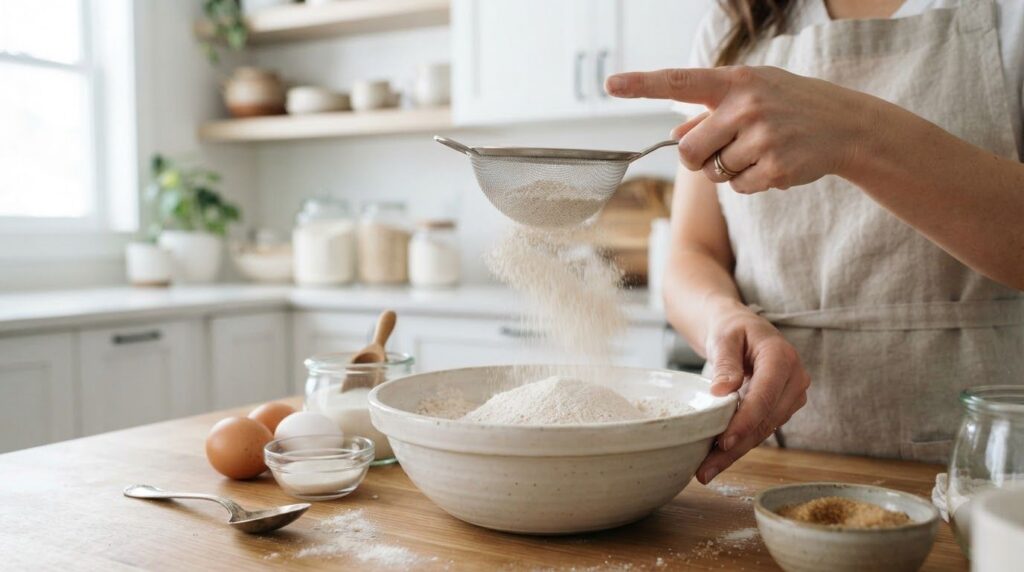
- Sift Oat Flour: Especially for delicate baking, sifting oat flour can help remove any remaining clumps and ensure a lighter texture.
- Adjust Liquids: If substituting, be prepared to adjust liquid amounts. You might need slightly more liquid when using true oat flour, or slightly less when using blended oats, to achieve the desired consistency.
- Check for Gluten-Free Certification: If you have a gluten intolerance or celiac disease, ensure you’re using certified gluten-free oats, as oats can be cross-contaminated during processing.
- Don’t Over-Process Blended Oats: While you want a powdery consistency, blending for too long can generate heat, which can affect the oats’ properties.
- Storage: Store both oat flour and blended oats in an airtight container in a cool, dark place. Due to their natural oils, they can go rancid more quickly than traditional white flour.
Frequently Asked Questions About Oat Flour and Blended Oats
Can I substitute blended oats for oat flour in any recipe?
While you can often make the substitution, be aware that the results will differ. For recipes where precision and delicate texture are critical (e.g., light cakes), the substitution may lead to a denser, less airy product. For heartier recipes (e.g., pancakes, cookies), the difference might be less noticeable and even desirable.
Are oat flour and blended oats equally nutritious?
Nutritionally, they are very similar since they both come from the same source: oats. The processing doesn’t significantly alter the fiber, protein, or vitamin content. The main difference is purely textural and functional in cooking.
Why do my baked goods with oats sometimes turn out dense?
Density can be caused by several factors, including using a coarser blended oat product when a finer oat flour was required, over-mixing the batter (which can develop gluten-like properties in oats, despite them being gluten-free), or incorrect liquid ratios. Pay attention to the specific oat product the recipe calls for.
Final Thoughts
The world of oats offers incredible versatility for those pursuing a healthy lifestyle. While oat flour and blended oats may look alike, they are far from identical in their culinary applications. By understanding their distinct properties – primarily driven by their fineness and consistency – you can confidently choose the right one for your healthy baking and cooking endeavors.
Embrace the nuances, experiment with both, and enjoy the wholesome goodness that oats bring to your kitchen. Happy baking!