Some flowers get attention because they are beautiful. Others get attention because people believe they can do something medicinal.
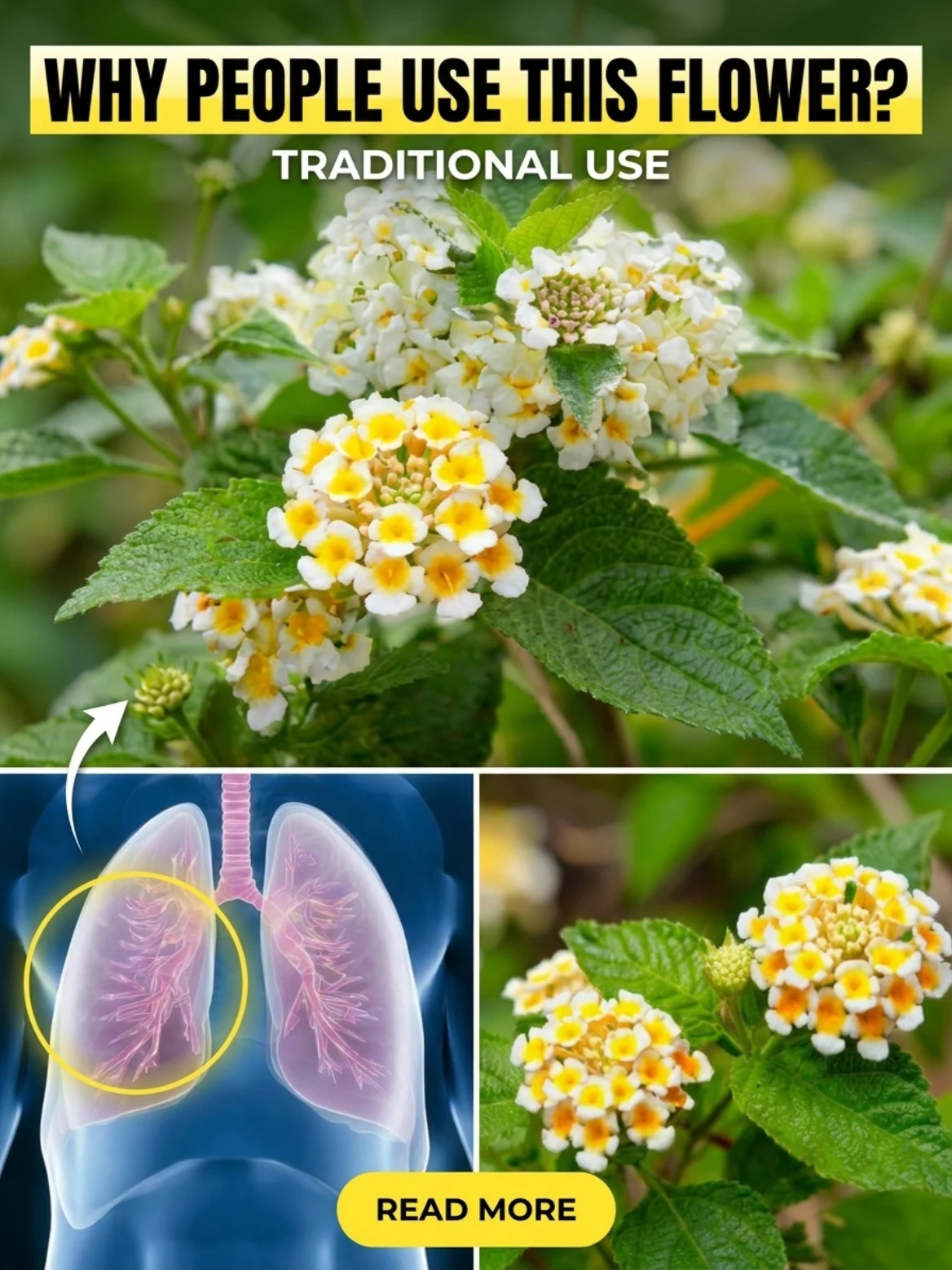
This flower appears to be lantana, most likely Lantana camara, a shrub with clustered blooms and rough, serrated leaves. In folk medicine, lantana has been used in some regions for cough, chest discomfort, asthma-like symptoms, and other everyday complaints. But there is an important catch: Lantana camara is also known for toxicity concerns, especially with the plant’s unripe berries and, in some reports, other parts as well. That means this is not a casual herb to brew and drink just because it has a traditional reputation.
That mix of tradition and risk is exactly why this plant keeps showing up in herbal conversations. Most people hear that it is “used for the lungs” and stop there. The fuller story is much more important.
What Flower This Likely Is
Lantana camara is an aromatic shrub with opposite leaves, toothed margins, and tight round flower clusters that can appear in combinations of white, yellow, orange, pink, or red. Reviews of the species note that it is one of the most widespread lantana types and that flower color can vary widely, including white-and-yellow combinations like this one.
Because several ornamental lantana varieties exist, exact identification should still be confirmed before anyone treats it as an herb.
Ingredients Traditionally Mentioned
In folk use, people may refer to simple plant-based preparations using:
- fresh or dried lantana flowers
- water
In some traditions, leaves or other parts may also be mentioned. But that is exactly why caution matters. Different plant parts may carry different risks, and confusion in preparation can be dangerous.
Why People Traditionally Use It
In traditional medicine, lantana has been used for a surprisingly wide range of concerns. Reviews describe folk use for respiratory complaints such as asthma, along with skin problems, ulcers, fever-related issues, and other conditions depending on the region and preparation. (PMC)
Why it became linked with the lungs
Plants that are aromatic, bitter, or strongly active often gain a reputation in traditional respiratory remedies. Lantana’s longstanding medicinal use likely comes from its complex plant chemistry, especially compounds such as flavonoids, triterpenes, and other secondary metabolites that researchers continue to study for antimicrobial, anti-inflammatory, and biological activity.
That does not mean the flower is a proven treatment for bronchitis, chest infection, asthma, or blocked lungs. It means the plant has a traditional reputation that researchers have found chemically interesting.
What Science Says So Far
This is where expectations need to stay grounded.
Modern reviews describe Lantana camara as a plant with notable phytochemicals and a broad range of investigated biological effects in laboratory and preclinical research. But that is very different from saying there is strong human evidence that a home-prepared flower tea safely improves lung disease. At the same time, toxicity studies and toxicology references raise real caution around the plant.
So the realistic takeaway is simple: traditional use exists, but safety is a major concern and clinical proof for respiratory benefit is limited. (PMC)
If People Traditionally Brew It, How Is It Usually Described?
In folk use, people may prepare medicinal plants like this as a light infusion or decoction. That usually means:
Traditional-style preparation concept
A small amount of cleaned plant material is steeped or simmered in water for a short time, then strained.
But with lantana, this is exactly where caution matters most. Because toxicological concerns exist, I would not recommend giving preparation steps for drinking this plant as a home remedy unless identification and safety are confirmed by a qualified local herbal professional or poison-safe medicinal plant expert.
Who Should Be Especially Careful
This matters more than the tradition itself.
Avoid self-using lantana medicinally if you are:
- Pregnant or breastfeeding
- Giving herbs to children
- Managing asthma, COPD, or chronic lung disease
- Taking multiple medications
- Unsure of the exact species or plant part
North Carolina State’s extension information, summarized in the species overview, notes that ingestion of flowers, fruits, and leaves has been associated with serious symptoms including vomiting, diarrhea, breathing difficulty, and even liver-related toxicity concerns. The plant is also well known to be toxic to livestock.
When People Think It Helps
In traditional use, plants for chest comfort are often expected to give a quick soothing feeling within hours if they help at all. But with lantana, the bigger issue is not the relief timeline. It is whether the remedy is safe enough to use in the first place.
If someone has wheezing, fever, chest pain, shortness of breath, or a cough that keeps getting worse, a home remedy is not the right place to stop. Those symptoms need proper medical assessment.
A Safer Way to Think About This Flower
The most honest answer is this: people use this flower traditionally because it has a folk reputation for respiratory and general medicinal use, and the plant does contain active compounds that scientists study. But tradition alone does not make it safe. With Lantana camara, the safety warning is part of the story, not a footnote.
Final Takeaway
Lantana flower is traditionally used in some communities for cough, chest discomfort, and other wellness purposes, which explains why it is still talked about today. But because Lantana camara has documented toxicity concerns, it should not be treated like a harmless everyday tea herb.
The safest approach is to admire the flower, respect the traditional history, and be very cautious about turning it into a remedy without expert guidance.
Related Source Science
Recent reviews describe Lantana camara as a phytochemically rich medicinal plant with investigated antimicrobial, anti-inflammatory, and other biological activities, while toxicology references also document important safety concerns. That combination is exactly why this plant needs more caution than most folk remedies. (MDPI)