There’s something incredibly satisfying about nurturing your plants and watching them flourish, isn’t there? From tiny seedlings to vibrant, ready-to-harvest fruits, every step in the gardening journey is a joy. And just like us, our plants sometimes need a little extra boost to reach their full potential.
Have you ever noticed your plants looking a bit sluggish, with yellowing leaves or not producing as much as you hoped? Don’t worry, you’re not alone! Many common garden woes can be traced back to nutrient deficiencies. The good news is, there’s a simple, natural, and incredibly effective solution that many experienced gardeners swear by: Epsom Salt Water.
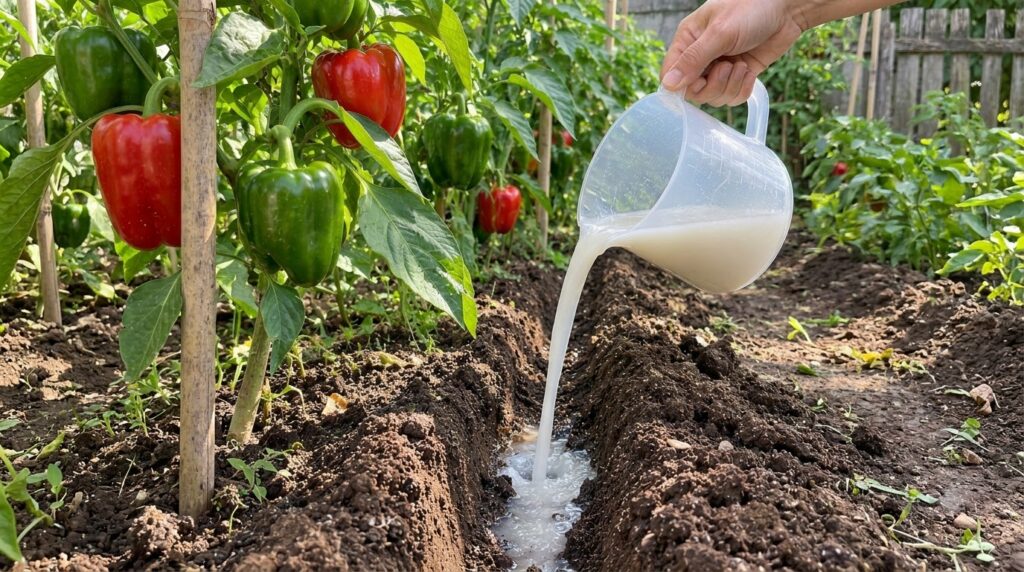
Known by some as ‘The Root Doctor,’ this easy-to-make solution can transform your garden, helping everything from your beloved bell peppers (like the ones getting a dose of goodness in the picture!) to your beautiful roses thrive. Let’s dive into how this garden secret can bring your plants back to life!
What is Epsom Salt and Why is it So Good for Your Garden?
Epsom salt isn’t actually a salt like the table salt you use for cooking. Chemically, it’s magnesium sulfate, a mineral compound composed of magnesium, sulfur, and oxygen. Both magnesium and sulfur are essential nutrients that plants need for healthy growth and vibrant production.
- Magnesium: This powerhouse mineral is crucial for chlorophyll production, which is how plants convert sunlight into energy. Without enough magnesium, plants can’t photosynthesize efficiently, leading to yellowing leaves (chlorosis), especially between the veins. It also helps plants absorb other vital nutrients like nitrogen and phosphorus.
- Sulfur: Often overlooked, sulfur is essential for the formation of vitamins, amino acids, and enzymes within plants. It helps with root growth and resistance to diseases, and can improve the flavor of many vegetables.
When used correctly, Epsom salt water provides an easily absorbable source of these critical nutrients, helping to rectify deficiencies and boost overall plant health.
The Amazing Benefits of Epsom Salt for Your Plants
Incorporating Epsom salt into your gardening routine can lead to a variety of impressive results:
- Boosts Nutrient Absorption: Magnesium helps plants absorb nitrogen, phosphorus, and potassium more effectively from the soil.
- Prevents Yellowing Leaves: Directly addresses magnesium deficiency, which often manifests as yellowing leaves, particularly on older foliage.
- Promotes Lush Green Growth: By aiding chlorophyll production, plants become greener and more vigorous.
- Encourages More Blooms and Fruit: Especially beneficial for flowering plants, vegetables, and fruit trees, leading to more abundant and healthier yields. Think bigger, sweeter tomatoes and more vibrant peppers!
- Strengthens Cell Walls: Sulfur contributes to stronger cell walls, making plants more resilient to pests and diseases.
- Deters Pests: While not a direct pesticide, healthier, stronger plants are naturally more resistant to common garden pests.
- Aids Seed Germination: Can give seedlings a healthy start by providing immediate access to magnesium.
How to Make and Use Epsom Salt Water: Your Simple Garden Recipe!
This is where ‘The Root Doctor’ truly shines – it’s incredibly simple to prepare and apply!
Ingredients:
- 1 tablespoon of Epsom salt (plain, unscented)
- 1 gallon of water (preferably lukewarm to help dissolve the salt)
Preparation Steps:
- Pour the Epsom salt into the gallon of water.
- Stir well until the Epsom salt is completely dissolved. This creates your powerful Epsom Salt Water solution!
Application Methods:
There are a few effective ways to apply your Epsom Salt Water, depending on your plant’s needs:
- Soil Drench (The Root Doctor Method): This is ideal for plants showing signs of magnesium deficiency or for giving an overall boost. Simply pour the solution directly around the base of the plant, allowing it to soak into the soil and be absorbed by the roots. This is exactly what we see happening with those bell peppers in the picture! For most established plants, about 1 cup of solution per plant is a good starting point.
- Foliar Spray: For quicker absorption, especially if leaves are already yellowing, you can use the solution as a foliar spray. Transfer the mixture to a spray bottle and mist the leaves of your plants until they are thoroughly wet, ensuring good coverage on both the top and underside of the leaves. Do this in the early morning or late evening to prevent leaf burn from direct sun.
- Seed Starting: To give seeds a boost, add 1-2 tablespoons of Epsom salt to the soil of each planting hole before sowing.
- Transplanting Shock: To help reduce transplant shock, add 1 tablespoon of Epsom salt to the bottom of the planting hole before placing the new plant.
When and How Often to Use It
While Epsom salt is beneficial, moderation is key! Too much can lead to other nutrient imbalances. Here are some general guidelines:
- For Vegetables (like Bell Peppers, Tomatoes): Apply a soil drench every 2-4 weeks during the growing season, especially once they start flowering and fruiting.
- For Roses: Apply every 4-6 weeks during the growing season to encourage more vibrant blooms and stronger canes.
- For Shrubs and Trees: Apply 1-2 times per growing season, adjusting the amount based on the plant’s size (e.g., 2 tablespoons per 9 square feet, applied over the root zone).
- For Houseplants: Dilute further to 1/2 teaspoon per gallon of water and water your houseplants with it once a month.
Important Tips and Common Mistakes to Avoid
- Test Your Soil: While Epsom salt is generally safe, it’s always best to know your soil’s current nutrient levels. A soil test can confirm magnesium deficiency.
- Don’t Overdo It: More is not always better. Stick to the recommended dosages to avoid potential issues.
- It’s Not a Fertilizer Replacement: Epsom salt provides magnesium and sulfur, but it doesn’t replace the need for a balanced fertilizer that supplies nitrogen, phosphorus, and potassium. Use it as a supplement.
- Use Plain Epsom Salt: Ensure you are using plain, unscented Epsom salt, not scented bath salts, which can harm your plants.
Ready to Revitalize Your Garden?
Nurturing nature’s harvest is truly one of life’s greatest joys. With ‘The Root Doctor’ (your simple Epsom Salt Water solution), you have a powerful, natural tool to help your plants look their best and produce their most delicious rewards.
Give it a try and watch your garden thrive! What’s your favorite homegrown vegetable to nurture, and how do you give it a little extra love?