Watching your cucumber plants thrive after giving them a little love and nutrients is one of the most satisfying parts of gardening! 🌱 Keeping them well-fed ensures strong growth and those delicious, abundant harvests we all dream of. A little care goes a long way in turning those tiny seedlings into prolific producers. It’s truly a rewarding connection with nature!
If you’re looking for a simple, natural, and incredibly effective way to give your cucumbers (and many other plants!) an extra boost, look no further than Liquid Kelp Water. It’s like a superfood smoothie for your garden!
Why Liquid Kelp Water is a Gardener’s Secret Weapon
Liquid kelp, derived from sea kelp, is packed with beneficial micronutrients, vitamins, amino acids, and natural plant hormones like cytokinins and auxins. These aren’t just fancy names; they play crucial roles in plant health:
- Enhanced Root Development: Stronger roots mean better nutrient uptake and more resilient plants.
- Increased Stress Tolerance: Kelp can help plants withstand environmental stressors like drought, heat, or even frost.
- Boosted Growth: The hormones in kelp promote vigorous growth, leading to more lush foliage and productive fruiting.
- Improved Fruit Quality: Expect larger, healthier cucumbers with better flavor.
- Disease Resistance: A healthier plant is better equipped to fight off pests and diseases.
- Soil Health: Kelp can also contribute to a healthier soil microbiome, which is vital for long-term garden success.
For cucumbers, which are heavy feeders and grow rapidly, kelp provides that consistent, gentle nourishment they crave without the risk of over-fertilizing like some synthetic options.
How to Use Liquid Kelp Water for Thriving Cucumbers
Using liquid kelp is incredibly easy, making it perfect for both beginner and experienced gardeners. The key is proper dilution.
Ingredients:
- High-quality liquid kelp concentrate (available at most garden centers or online)
- Water (preferably filtered or rainwater)
Preparation & Application:
- Dilution is Key: Always follow the specific instructions on your liquid kelp product label. A common dilution ratio is 1 tablespoon of concentrate per gallon of water, but this can vary.
- Mix Well: Pour the desired amount of concentrate into a watering can or sprayer, then add water and mix thoroughly.
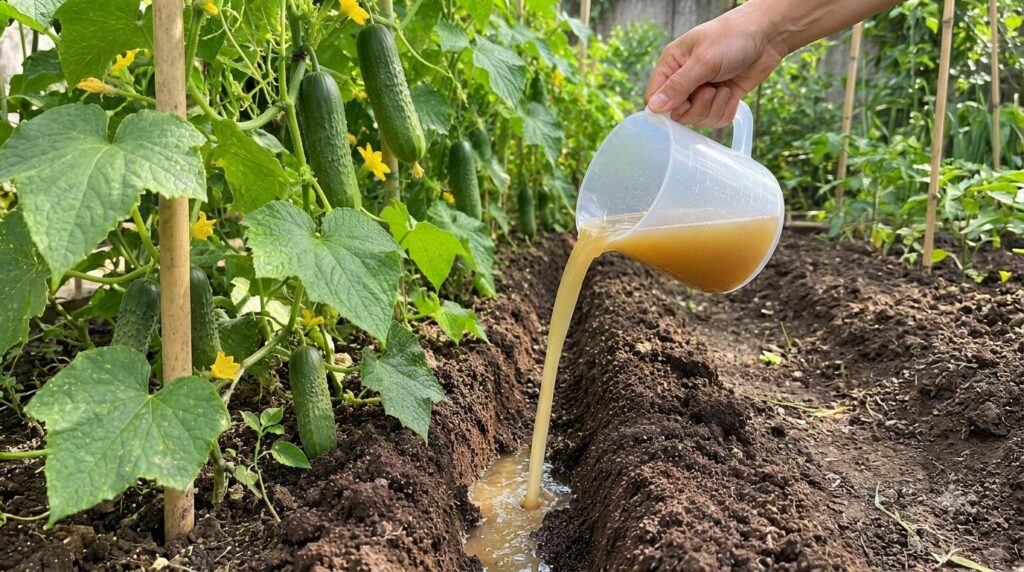
- Soil Drench: This is the most common method. Apply the diluted kelp water directly to the soil around the base of your cucumber plants. Aim to drench the root zone. This helps feed the roots directly and improves soil health. Apply every 2-4 weeks during the growing season.
- Foliar Spray: For a quick nutrient boost, you can also spray the diluted solution directly onto the leaves of your cucumber plants. The leaves absorb the nutrients efficiently. Do this in the early morning or late afternoon to avoid leaf burn in strong sunlight, especially when temperatures are high.
When to Apply:
- Transplanting: A kelp drench immediately after transplanting can reduce transplant shock and encourage rapid root establishment.
- Early Growth: Once your cucumber seedlings have their first true leaves, begin regular applications to support strong development.
- Flowering & Fruiting: Continue applications through the flowering and fruiting stages to support abundant harvests.
Tips for Growing Amazing Cucumbers
- Plenty of Sun: Cucumbers need at least 6-8 hours of direct sunlight per day.
- Rich, Well-Draining Soil: Amend your soil with compost to provide a nutrient-rich and well-aerated environment.
- Consistent Watering: Cucumbers are thirsty plants, especially when fruiting. Keep the soil consistently moist but not waterlogged.
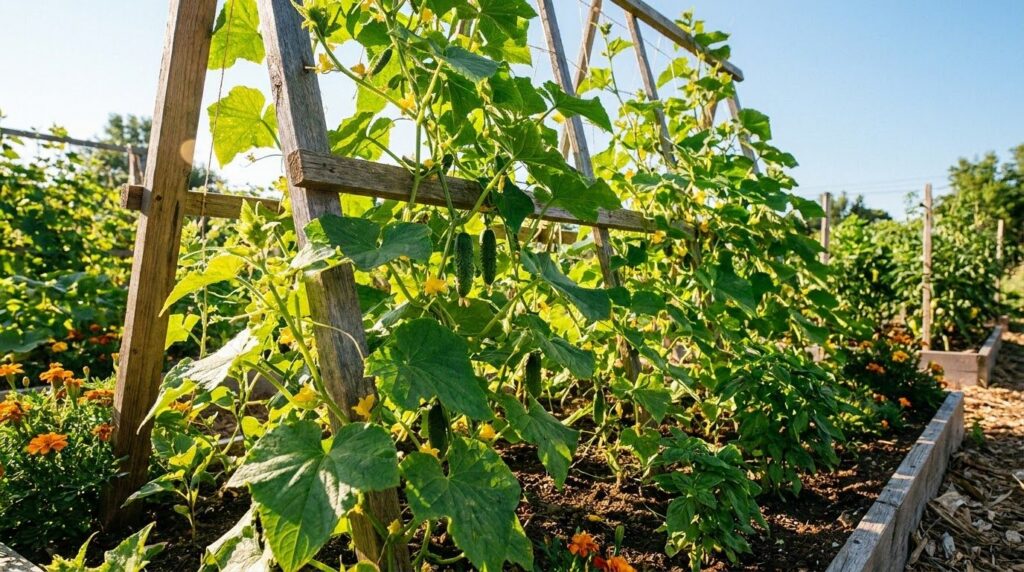
- Provide Support: Trellising cucumbers saves space, improves air circulation, and keeps fruits clean.
- Pest Watch: Regularly inspect your plants for signs of pests and address them with organic solutions if needed.
Cultivate Your Bountiful Garden
Incorporating liquid kelp water into your gardening routine is a simple step that can lead to dramatically healthier and more productive cucumber plants. It’s a natural way to give your garden the love it deserves, resulting in a healthier ecosystem and a more bountiful harvest for you to enjoy.
What’s your go-to natural plant food for cucumbers? Share your tips and tricks in the comments below!