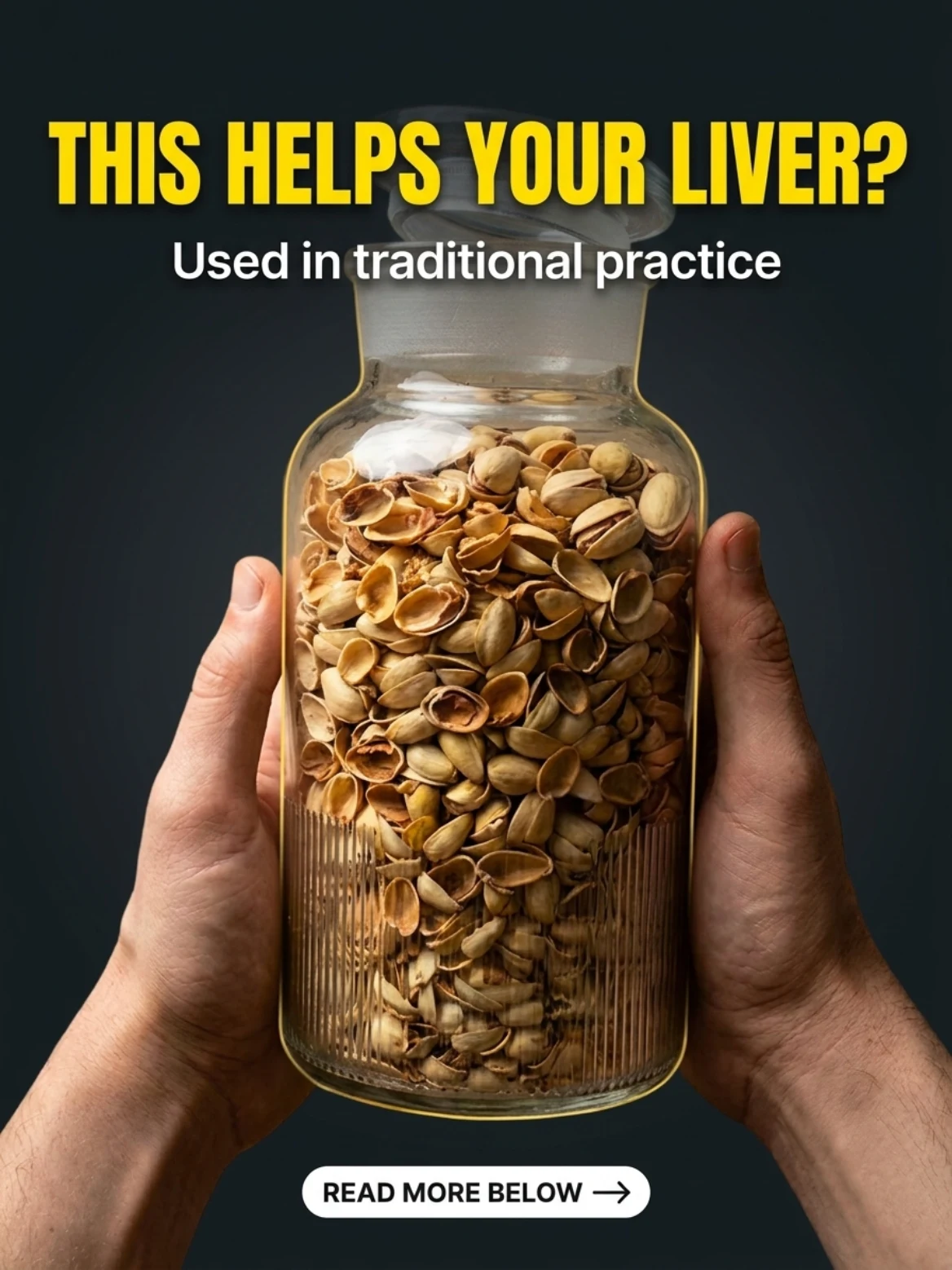
At first glance, pistachio shells look like the part everyone throws away.
That is exactly why this traditional wellness idea gets attention. In some home-remedy conversations, pistachio shells are mentioned as a simple ingredient people save and steep, especially when talking about liver support or “body cleansing.” But here is the part most people miss: while pistachios as a food have been studied for their antioxidant compounds and broader cardiometabolic benefits, I could not find strong clinical evidence showing that pistachio shells themselves are an established or proven liver remedy in humans.
That does not mean the idea came from nowhere. It usually comes from a bigger traditional belief that parts of plants, even the discarded ones, may still contain useful compounds. But for liver health, the evidence is much stronger for overall diet quality and for nuts in general than for homemade shell remedies.
What This Traditional Remedy Usually Refers To
This type of remedy is generally described as a pistachio shell infusion or decoction.
In other words, people save the empty shells, rinse them, and simmer them in water like a light herbal tea. The wellness claim is usually tied to detox, digestion, or liver support. But that claim should be treated carefully. Research I found discusses phytochemicals in pistachio kernels, and in some cases hulls or by-products, yet that is not the same as having evidence that a jar of pistachio shells brewed at home improves liver function.
Why People Think It Helps
There are a few reasons this idea stays popular.
First, pistachios are associated with antioxidant compounds such as phenolics, vitamin E, and carotenoids, and pistachio consumption has been linked in research to several potential health benefits.
Second, some research on wild pistachio oils and pistachio plant by-products has explored oxidative stress and liver-related markers, but those findings come from animal studies or laboratory extracts, not from ordinary pistachio shell tea used by people at home.
Third, there is also broader research suggesting that nut intake overall may be associated with a lower prevalence of non-alcoholic fatty liver disease, but those studies look at eating nuts as part of the diet, not drinking infusions made from shells.
So the traditional logic is understandable. But the scientific leap from “nuts may be good in the diet” to “shell tea helps the liver” is still a leap.
Ingredients Traditionally Mentioned
If people prepare this at home, the traditional version is usually very simple:
- Empty pistachio shells, rinsed well
- Water
Some versions use only the shells. Others combine them with lemon or other kitchen ingredients, but the basic idea is a plain shell infusion.
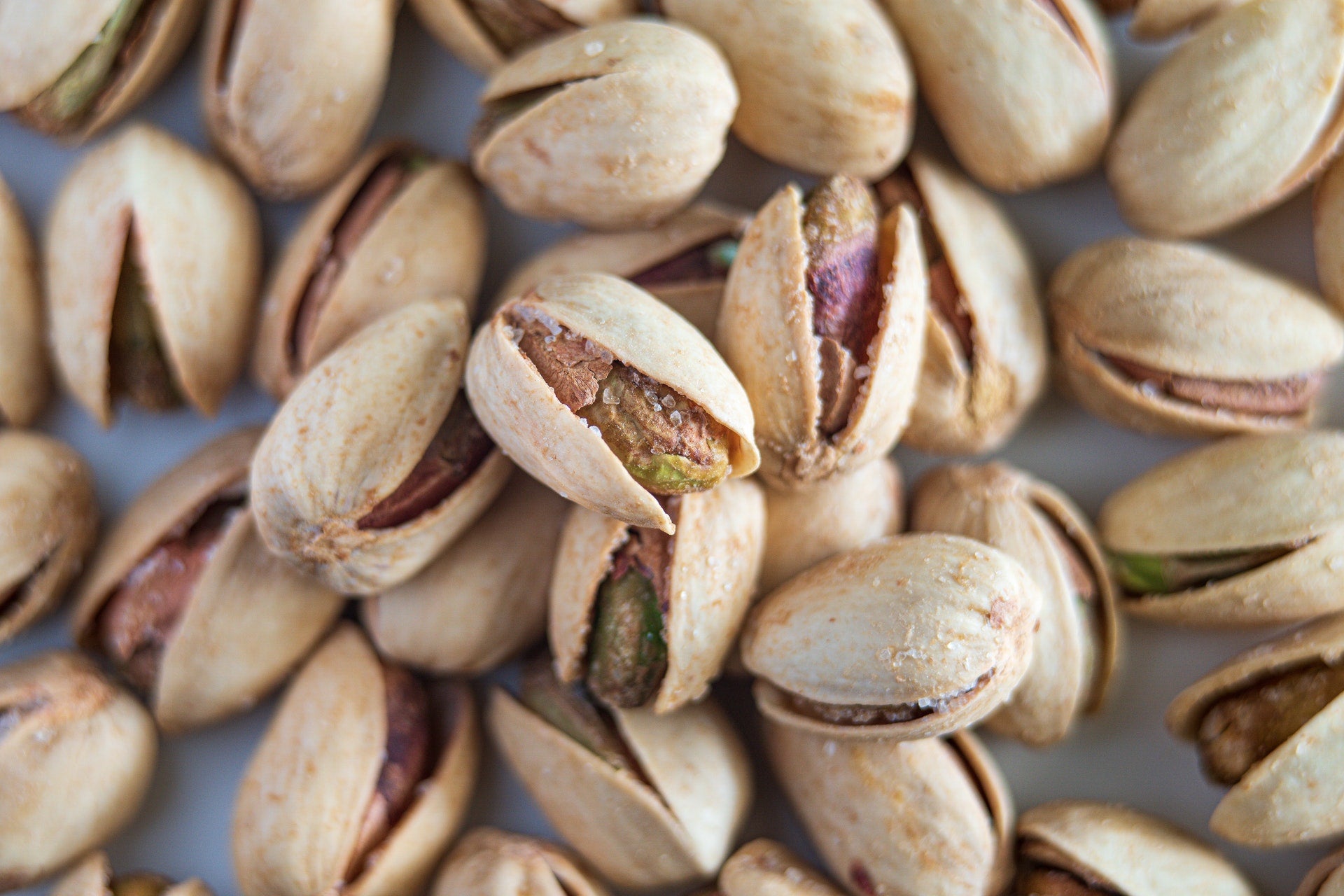
How It Is Traditionally Prepared
This is the usual home-style method people describe:
Step 1: Clean the shells
Rinse the pistachio shells thoroughly to remove salt, seasoning, or dust. This matters most if the pistachios came from a packaged snack product.
Step 2: Simmer in water
Add a small handful of cleaned shells to water and simmer gently for about 10 to 15 minutes.
Step 3: Let it steep
Turn off the heat and let the liquid sit for another 5 to 10 minutes.
Step 4: Strain
Strain out the shells and drink the liquid warm.
That is the traditional-style preparation people usually mean when they talk about pistachio shell tea.
How to Use It
If someone chooses to try it despite the limited evidence, the most cautious approach would be:
- use only plain, unsalted shells
- drink small amounts
- do not treat it like a daily cure
- stop if it causes stomach irritation or discomfort
This is best viewed as a folk wellness drink, not a medically recognized liver treatment.
What Science Actually Supports
Here is the honest takeaway.
There is published research on pistachios as a nutrient-dense food, and studies have linked nuts in general with potential benefits for metabolic health. There is also experimental research on pistachio by-products, including hulls and oils, showing antioxidant activity. But I did not find strong human evidence that pistachio shells themselves are a proven traditional liver remedy backed by clinical trials.
That distinction matters because liver claims are easy to exaggerate.
Safety Notes You Should Not Skip
This part matters most.
Packaged pistachios can be salted or seasoned, which makes the shells a poor choice for frequent tea use unless they are washed extremely well. Pistachio-derived food products have also been part of FDA guidance related to contamination risks such as Salmonella, which is another reason basic food safety matters.
Also, “liver support” is a broad claim. If someone has jaundice, abdominal swelling, dark urine, unusual fatigue, hepatitis, fatty liver disease, or abnormal liver tests, a shell infusion is not an appropriate substitute for medical care.
Final Takeaway
Pistachio shells are sometimes saved for a surprising traditional wellness use linked to liver support, usually as a simple simmered drink. But the real evidence is much stronger for pistachios as a food and for healthy nut intake overall than for shell tea itself.
So the most balanced view is this: it is an interesting folk remedy, but not a proven liver treatment. If you want genuine liver support, the stronger path is a healthy diet, less alcohol, regular checkups, and medical guidance when symptoms are present.
Related Source Science
Pistachios contain phytochemicals including phenolics, vitamin E, and carotenoids, and research has explored pistachio intake in relation to metabolic health. Separate studies on pistachio by-products and wild pistachio oils suggest antioxidant and liver-related potential in experimental settings, but that is still far from proving that homemade pistachio shell tea improves liver health in people.