Ducks might seem low-maintenance, but like any pet, they thrive on more than just casual attention. Regular care, from their diet to their health checkups, plays a huge role in keeping them happy and healthy. This is where a knowledgeable exotic vet becomes invaluable an expert in waterfowl care who can identify potential health concerns early, ensuring your ducks stay in optimal condition.

The Basics of Duck Care
Healthy ducks start with good daily care. Ducks require:
-
Clean water: Ducks need fresh drinking water daily, separate from their bathing water, to prevent contamination.
-
Balanced nutrition: Feed your ducks a high-quality waterfowl feed, supplemented with greens and grains, to meet their dietary needs.
-
Safe housing: Provide secure shelter to protect ducks from predators and harsh weather. Ensure their enclosure is clean and well-ventilated.
Diet and Nutrition: Feeding Ducks for Optimal Health
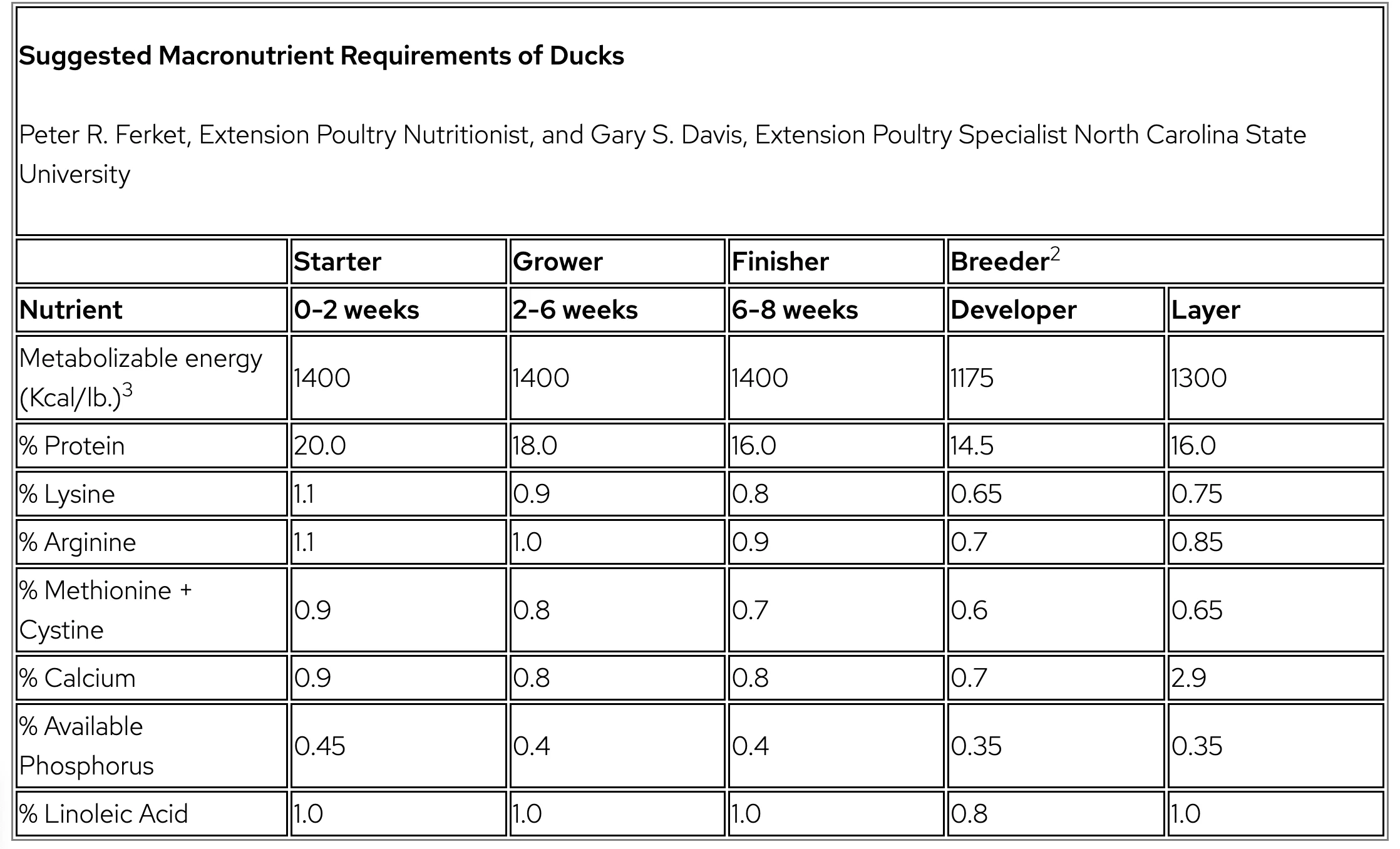
Ducklings should be started on a commercially produced starter crumble. If duck starter is not available, chick starter can be substituted. Medicated chick starter is not necessary, since ducks are resistant to the diseases that chicks are susceptible to.
Place crumbles in an egg flat for the first day or so that the ducklings can find the feed, then place the feed in a small chick feeder. Commercial ducklings will consume .5 pounds of feed each in their first week. Keep the feeder some distance from the waterer, preventing the feed from getting wet.
Switch the ducklings to a grower pellet at two weeks of age. A high capacity hopper feeder will provide the volume necessary for the growing period. Ducks must have free-choice feed at all times.
By using quality feed and preventing waste, commercial meat ducks will consume about 20 pounds of feed each by market time.
Protein is composed of compounds called amino acids. Having the correct amount of each amino acid in the duck’s diet is essential to maximizing growth rate and health. Since your goal is an 8+ pound market duck in just two months, anything less than the ideal ration will restrict growth.
It is noteworthy that egg laying ducks and breeders should be fed a lower energy ration that market ducks. Too much energy will cause the bird to become over-fat and will not produce as many eggs when mature.
What ducks eat plays a significant role in their overall well-being. While commercial waterfowl feed is a staple, variety is key to a balanced diet. Offer:
-
Leafy greens: Kale, lettuce, and spinach are duck favorites.
-
Grains: Oats, barley, and cracked corn in moderation.
-
Protein treats: Mealworms or small fish for added protein.
Watering Ducks
Ducks are waterfowl and have a natural attraction to water. Keeping fresh water for your birds is essential (and a challenge, since they like to “play in it”). Chick waterers can be used to start ducklings, but they will require greater capacity waters very quickly.
If ducks are to be watered in a pool or small pond, great effort must be taken to insure that the water is fresh and clean many times per day. Also you must be prepared for the mess that will be produced when the birds splash the water out of the pool.
Many simple do-it-yourself duck waterer ideas are available. Waterers that prevent them from swimming in their water or drip nozzles are effective and can be made from simple materials. If kept clean, these devices will insure adequate quality and quantity of water for your ducks and will keep their environment clean and dry.
Duck waterers can be made from simple materials and will serve as a good source of fresh water for your ducks with minimum mess.
Muscovies as meat ducks
Muscovy ducks are excellent meat ducks and are raised commercially (mostly in France) for their fine quality, dark colored and flavorful meat. They are often raised on general and hobby farms and can command a fair price in specialty markets. Mule ducks (Muscovy male x Pekin female) and, to a lesser extent, Hinny ducks (Pekin male x Muscovy female) are also raised commercially. However, Muscovies and their hybrids, sometimes called Moulards, are not competitive with hybrid Pekins for rate of gain and feed efficiency; therefore they are not recommended for a county fair meat duck competition.
Processing Meat Ducks
State laws regulate the processing of poultry for sale. Though Wisconsin Law does allow for personal use and small sales of home-dressed poultry, extensive sales must be processed in an inspected processing plant.
If you choose to have your ducks custom processed, inspected and packaged for sale, research your area for slaughter plants that will handle this need before you begin your project. Schedule your ducks with the processor well in advance of the date needed. Remember your ducks will be finished in just seven weeks!
Cooperatively processing your ducks with other project members can be very educational and rewarding.
Common Duck Health Concerns
Ducks may face health challenges that are unique to their species. Being aware of these issues can help you act quickly:
-
Bumblefoot: A common foot infection caused by walking on rough or dirty surfaces. Keep enclosures clean and provide soft bedding.
-
Angel Wing: A condition where wing feathers grow incorrectly, often due to a poor diet. Avoid overfeeding protein-rich foods.
-
Respiratory Issues: Ducks are sensitive to damp and dusty environments. Good ventilation and dry bedding can help prevent infections.
If you notice signs of illness, consult a vet for ducks immediately. In the New York area, Long Island Bird & Exotics Veterinary Clinic are waterfowl experts and always ready to help.
Behavioral Tips: Understanding Your Ducks
Ducks communicate through behavior. Observing their habits can help you detect when something’s wrong:
-
Healthy ducks are active, social, and have a good appetite.
-
Stressed ducks may isolate themselves, show aggression, or appear lethargic.
-
Feather condition can indicate health; shiny, smooth feathers signal good care, while dull or ragged ones may hint at deficiencies or illness.
Why Regular Vet Visits Matter
Building a relationship with a trusted veterinarian ensures that your feathered friends are always in the best hands.
When to Call a Duck Veterinarian
- Difficulty breathing
-
Lethargy or inability to stand
-
Swollen joints or limping
-
Prolonged lack of appetite
-
Abnormal eggs or difficulty laying
Emergency Preparedness: A Duck First-Aid Kit
-
Gauze and bandages for wounds
-
Electrolyte solutions for dehydration
-
Antibiotic ointment (safe for birds)
-
Syringes for administering fluids
-
Contact information for your avian or duck veterinarian
Caring for Ducks: A Lifelong Commitment