Many people assume eating clean means buying expensive “health foods,” following strict meal plans, or cooking entirely different meals every day.
But what often matters more is repetition.
Using the same core foods in different combinations can reduce grocery costs, simplify meal prep, and make healthy eating easier to maintain long term. Instead of constantly chasing variety, many people benefit from building a repeatable food structure that supports fullness, stable energy, and lower food stress.
This is why simple staples like rice, eggs, oats, yogurt, lentils, potatoes, chicken, and beans appear in so many healthy meal prep systems.
Not because they’re trendy.
Because they’re practical.
Why Repeating Meals Can Actually Make Healthy Eating Easier
One of the biggest reasons people stop healthy eating routines is decision fatigue.
Constantly planning:
- new recipes,
- complicated grocery lists,
- expensive ingredients,
- calorie tracking systems,
can quickly become exhausting.
Simple meal structures reduce that pressure.
Many budget-friendly meal plans rely on repeating:
- protein sources,
- carb bases,
- vegetables,
- healthy fats,
while rotating seasonings and combinations.
This approach is common in:
- cheap meal prep systems,
- high protein grocery budgeting,
- beginner healthy eating plans,
- work lunch prep,
- family meal organization.
Some people also use food tracking apps, fasting glucose testing, or CGM sensors to better understand how different meal combinations affect energy, cravings, or fullness throughout the week.
[Source: Mayo Clinic]
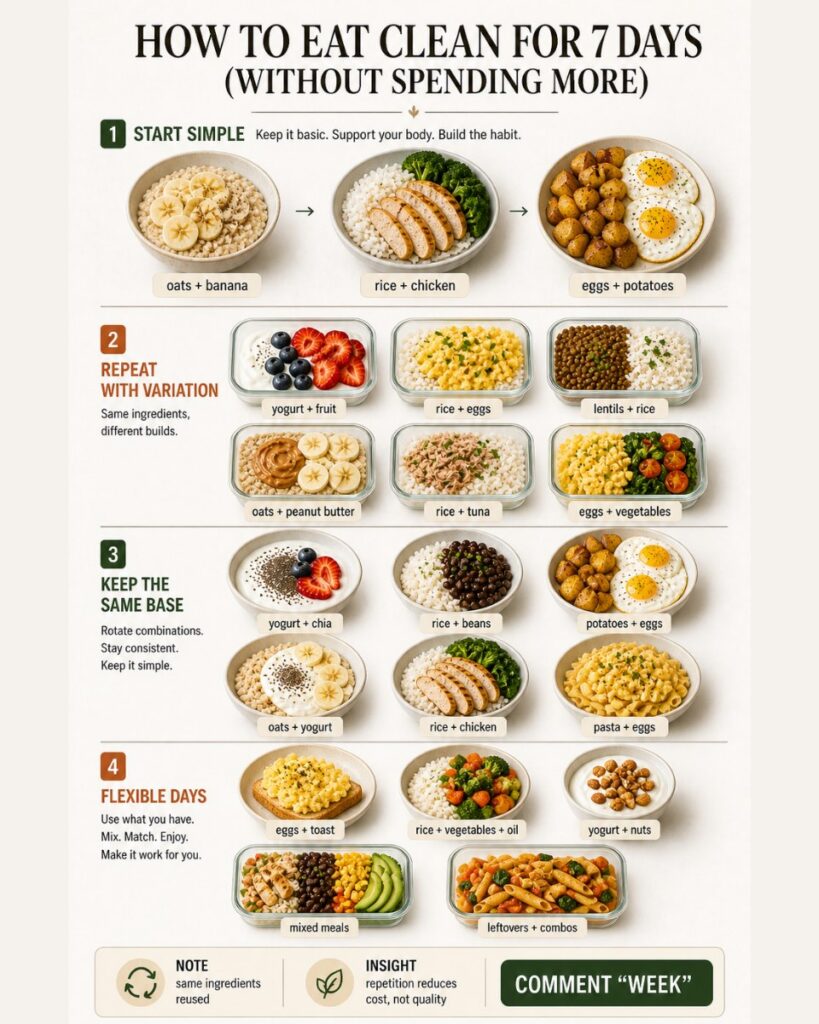
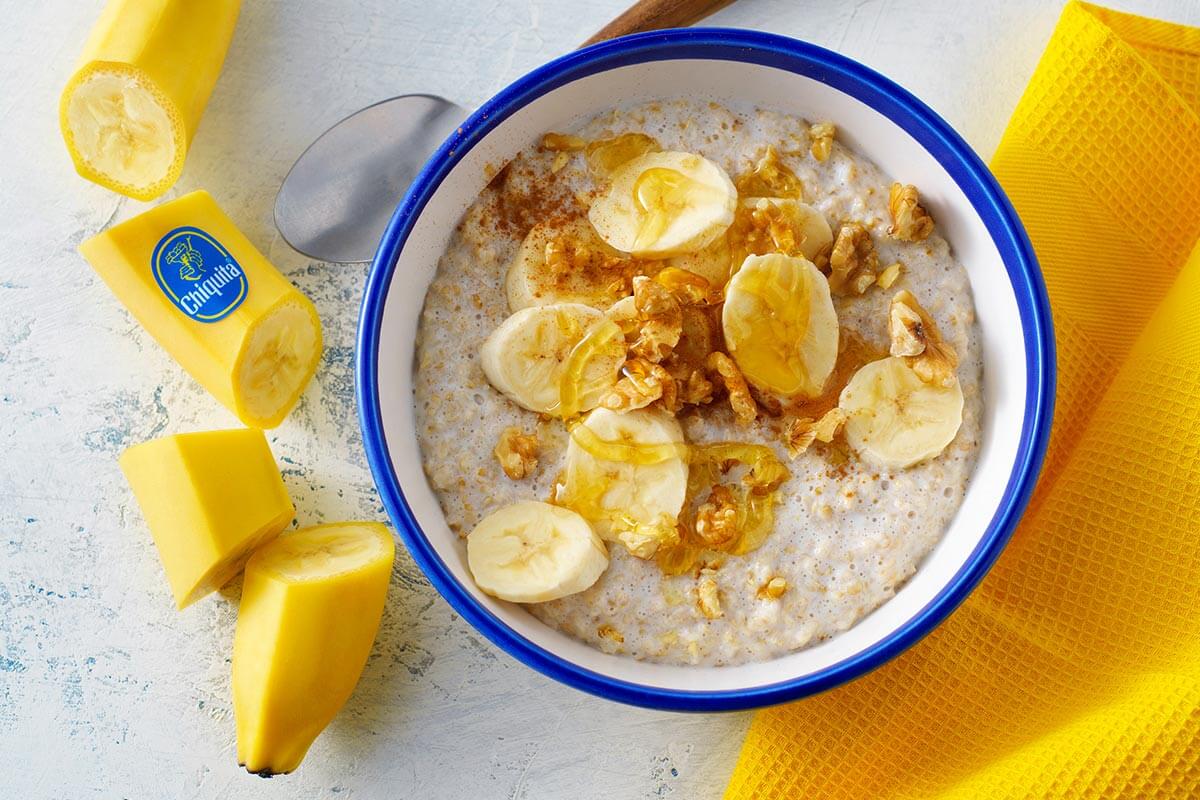
Day 1: Oats and Banana Breakfast for Cheap Morning Energy
Oats are one of the most affordable staple foods for healthy breakfast prep.
Ingredients
- 1/2 cup oats,
- 1 sliced banana,
- cinnamon,
- optional peanut butter,
- optional chia seeds.
How to Prepare
Cook oats with water or milk, top with banana and cinnamon, then add peanut butter or chia seeds if desired.
Why This Meal Works
Oats provide fiber and slower-digesting carbohydrates, while banana adds quick energy and texture.
This type of breakfast is often used in:
- overnight oats meal prep,
- cheap healthy breakfasts,
- blood sugar friendly breakfast ideas,
- meal prep for busy mornings.
People trying to simplify grocery spending often rotate oats with yogurt bowls or eggs instead of buying packaged breakfast foods daily.
Day 2: Rice and Chicken Meal Prep for Balanced Lunches
Rice and chicken remain one of the most popular meal prep combinations because they’re inexpensive, flexible, and easy to batch cook.
Ingredients
- cooked rice,
- grilled chicken,
- broccoli,
- olive oil,
- garlic seasoning.
How to Prepare
Cook rice in bulk, grill chicken, and roast vegetables separately. Combine into meal prep containers.
Nutrition Value
This combination provides:
- protein,
- carbohydrates,
- fiber,
- healthy fats,
- steady lunchtime energy.
Many office workers use similar meals for:
- work lunch prep,
- high protein meal prep,
- air fryer chicken recipes,
- budget fitness meals,
- portion control eating systems.
Reusable meal prep containers and insulated lunch bags can make these routines much easier to maintain consistently.
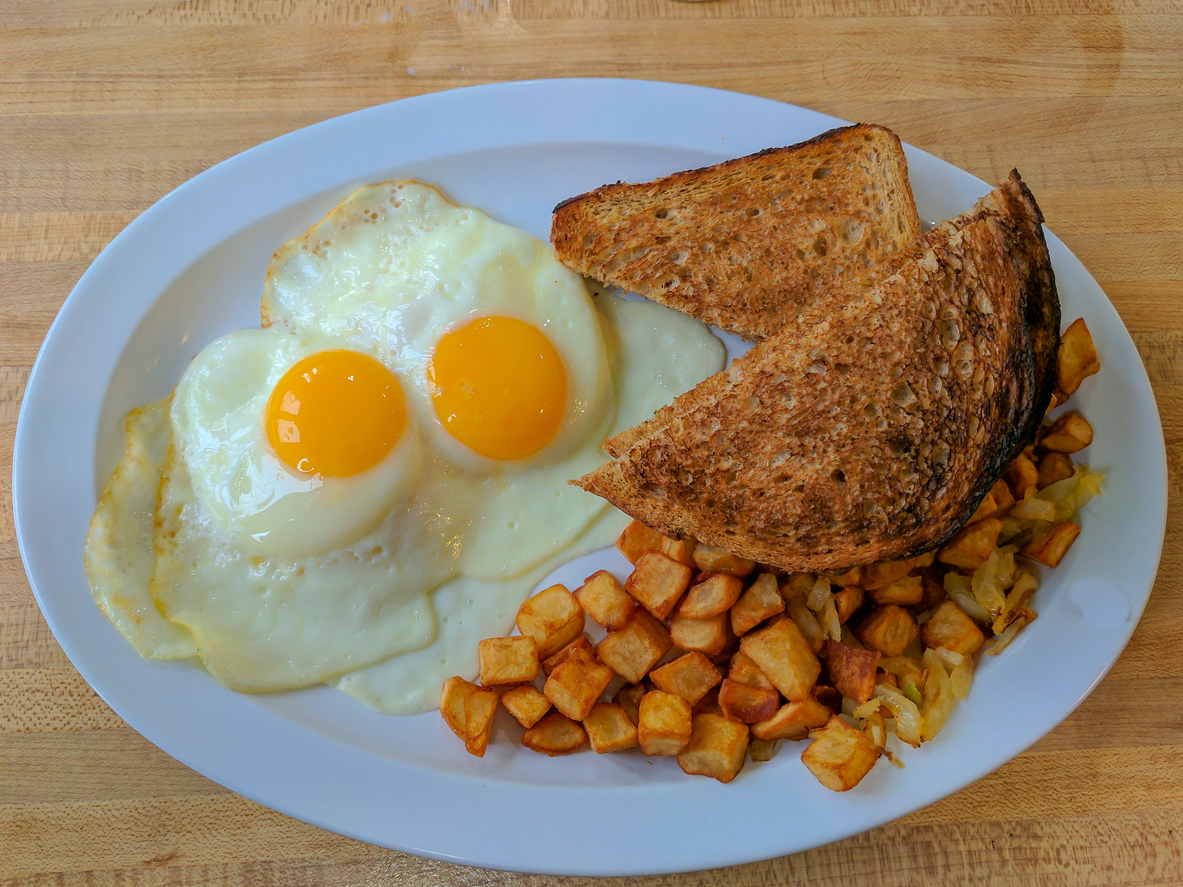
Day 3: Eggs and Potatoes for Filling Cheap Dinners
Potatoes are often misunderstood.
When paired with protein and healthy fats, they can become part of balanced meals that feel satisfying and affordable.
Ingredients
- roasted potatoes,
- eggs,
- olive oil,
- black pepper,
- spinach.
How to Prepare
Roast potato cubes until crispy, then serve beside eggs and sautéed spinach.
Why This Combo Feels More Filling
Potatoes provide volume and carbohydrates, while eggs add protein and fat.
This type of dinner appears frequently in:
- cheap dinner meal prep,
- high satiety meals,
- budget grocery systems,
- beginner cooking plans.
Some nutrition professionals also discuss meal balance, fullness, and appetite control during dietitian consultation or medical nutrition therapy programs.
Repeating Ingredients Without Repeating the Same Meal
One overlooked strategy in affordable healthy eating is ingredient overlap.
Instead of buying completely different groceries every day, many people simply rotate combinations.
For example:
- rice + eggs,
- lentils + rice,
- rice + tuna,
- oats + peanut butter,
- yogurt + berries,
- yogurt + nuts.
This lowers:
- grocery waste,
- cooking time,
- impulse food spending,
- meal planning stress.
At the same time, it creates enough variation to avoid boredom.
This strategy is often connected with:
- cheap grocery meal prep,
- healthy eating on a budget,
- family meal systems,
- low effort cooking,
- repeatable nutrition habits.
High Protein Cheap Meals That Help Reduce Snacking
Many ultra-light meals fail because they lack:
- protein,
- fiber,
- fat,
- texture.
Meals that digest too quickly may leave people hungry again shortly afterward.
That’s why balanced combinations tend to feel more sustainable.
Examples include:
- rice and beans,
- yogurt and chia seeds,
- eggs and toast,
- oats and peanut butter,
- chicken and vegetables,
- lentils and rice bowls.
These meals are often included in:
- blood sugar friendly meal plans,
- appetite control meal prep,
- high fiber dinner ideas,
- beginner fitness nutrition systems.
Some people also use lab markers like HbA1c or fasting glucose to better understand long-term eating patterns and energy responses.
Flexible Meal Days Make Healthy Eating More Realistic
Rigid eating plans often fail because real life changes constantly.
Instead of aiming for perfection, many successful meal prep systems allow flexibility.
For example:
- leftover rice can become egg fried rice,
- yogurt can become breakfast or snacks,
- roasted potatoes can pair with eggs or chicken,
- beans can be used in bowls, wraps, or salads.
This flexible structure is why many budget-friendly meal systems feel easier to maintain than highly restrictive diets.
It’s less about “clean eating rules.”
And more about reducing friction.
Helpful Tools for Cheap Healthy Meal Prep
Simple tools can make eating clean feel much easier:
- meal prep containers,
- air fryer baskets,
- rice cookers,
- overnight oats jars,
- freezer storage bags,
- grocery budget apps,
- food tracking apps.
These tools are commonly associated with:
- beginner meal prep,
- healthy work lunches,
- batch cooking systems,
- affordable grocery planning,
- quick dinner prep.
[Read next: High Protein Snack Boxes for Busy Adults]
When Professional Nutrition Support May Help
Some people eventually realize their biggest challenge isn’t motivation.
It’s structure, planning, consistency, or understanding how meals affect energy and fullness.
In some cases, additional support may include:
- dietitian consultation,
- medical nutrition therapy,
- blood sugar monitoring,
- food journaling,
- CGM tracking,
- doctor referral programs.
Depending on location and employer health plans, certain nutrition-related services or testing programs may sometimes receive partial insurance coverage.
These tools are not required for everyone.
But for some people, they can provide more personalized insight into eating patterns and meal responses.
Final Thoughts
Eating clean for 7 days doesn’t require expensive groceries or complicated recipes.
In many cases, repeating a few reliable ingredients can create:
- easier meal prep,
- lower grocery costs,
- steadier energy,
- less food stress,
- more consistent eating habits.
The goal isn’t eating perfectly.
It’s building a food system simple enough to repeat.
This is general information, not medical advice.