Many people try chia seeds expecting a light “superfood.”
Then the texture surprises them.
Some describe chia pudding as:
- slimy,
- thick,
- unusually heavy,
- hard to finish,
- or strangely filling after only a few bites.
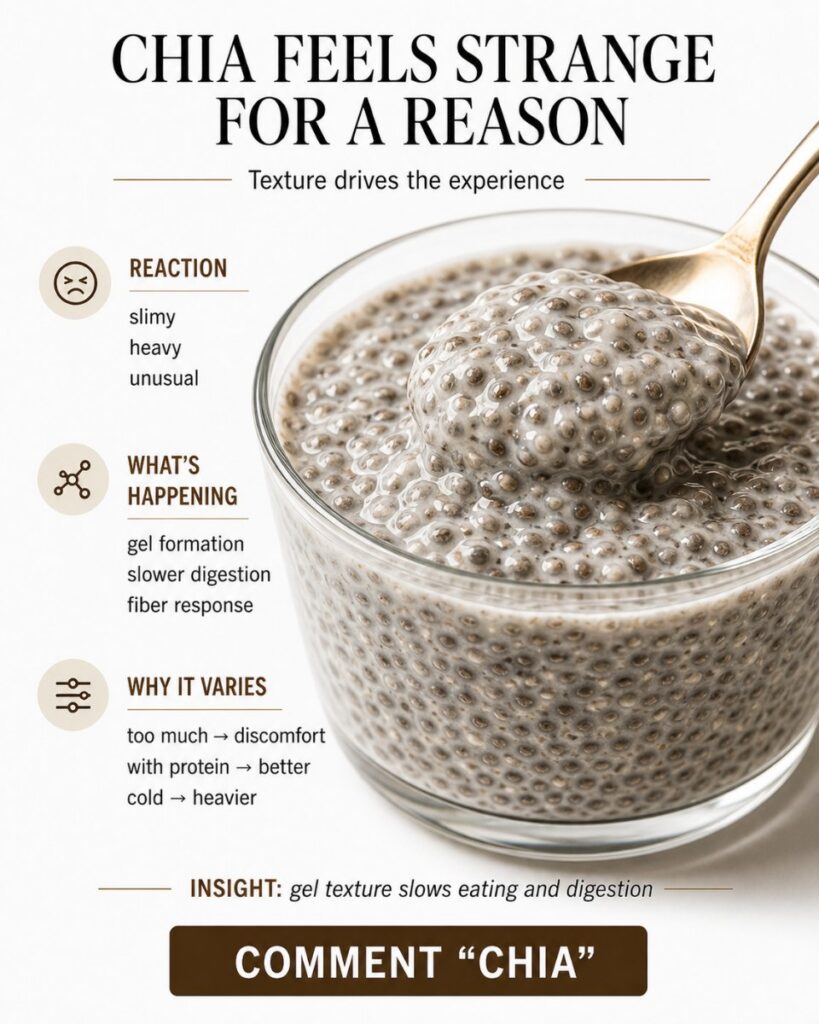
What’s often overlooked is that chia seeds are designed to absorb large amounts of liquid and form a gel-like structure. That texture changes how the food moves through the digestive system, how quickly it’s eaten, and how full it may feel afterward.
For some people, that feels satisfying.
For others, it feels uncomfortable.
The difference usually comes down to:
- preparation,
- portion size,
- hydration,
- food pairings,
- and digestive tolerance.
What Actually Happens When Chia Seeds Absorb Liquid
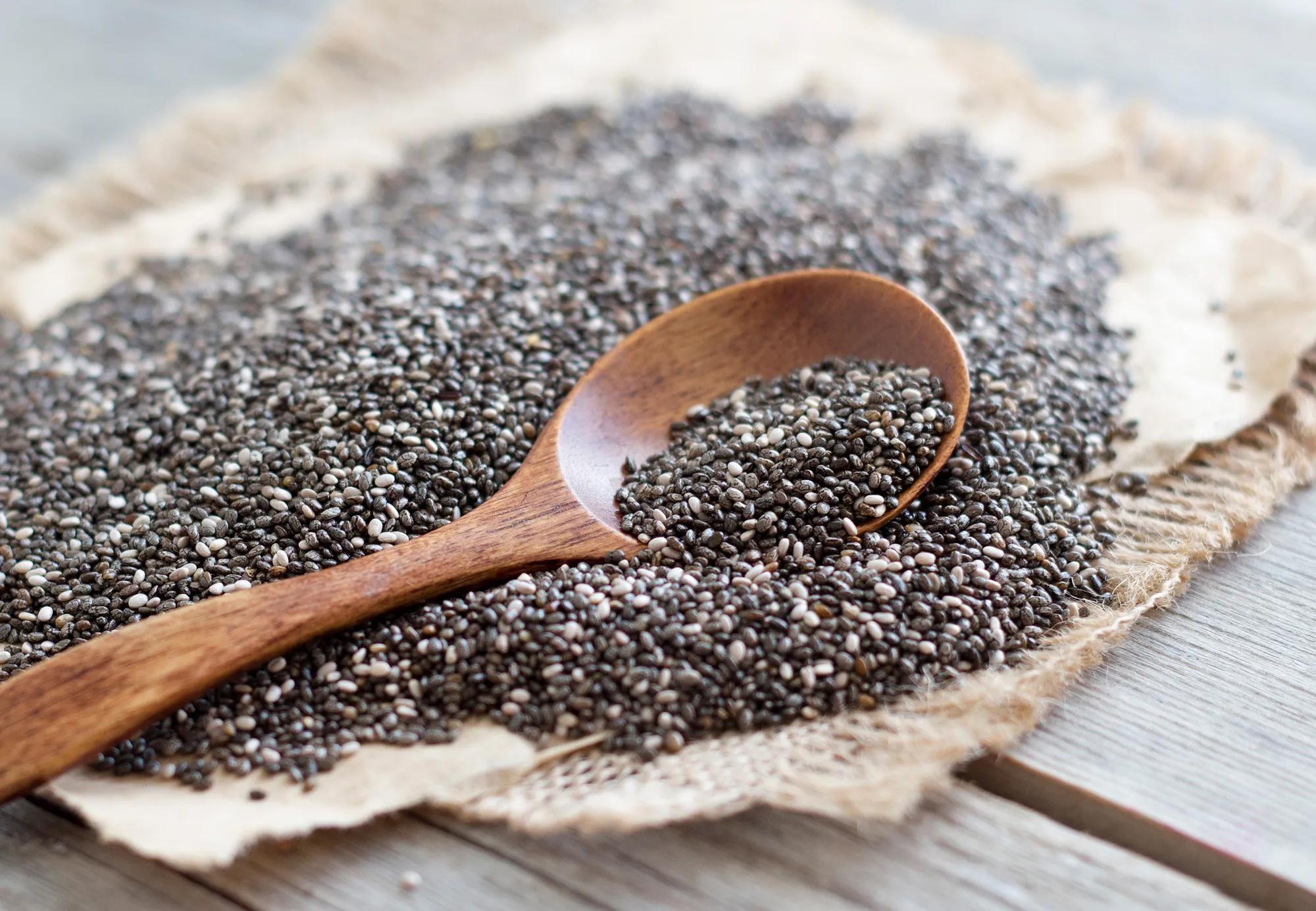
Chia seeds contain soluble fiber.
When mixed with water, milk, yogurt, or smoothies, the outer layer absorbs liquid and forms a gel coating. This process is often called gel formation or mucilage formation.
That gel texture is why chia pudding feels very different from:
- oats,
- cereal,
- granola,
- or flax seeds.
The texture slows down eating speed and digestion, which may contribute to a longer feeling of fullness for some people.
This is one reason chia appears in:
- appetite control recipes,
- overnight pudding jars,
- blood sugar friendly breakfasts,
- high fiber snack bowls,
- healthy meal prep systems.
Some people even use food tracking apps or CGM sensors to observe how fiber-heavy meals affect fullness and energy throughout the day.
[Source: Harvard Health]
Why Chia Seeds Can Feel Heavy in the Stomach
One of the biggest reasons chia feels “heavy” is portion size.
Many recipes online use:
- 3–4 tablespoons chia,
- thick nut milk,
- protein powder,
- nut butter,
- yogurt,
all in one serving.
That combination can create a very dense meal.
Factors That May Increase the Heavy Feeling
- too much chia at once,
- not enough liquid,
- eating it too quickly,
- combining with high-fat foods,
- low hydration throughout the day,
- sensitive digestion.
Cold chia pudding may also feel denser than warm foods for some people.
This doesn’t automatically mean chia is “bad.”
It usually means the structure of the meal changed digestion speed and stomach volume.
Why Some People Like Chia More Than Others
Texture tolerance varies a lot.
Some people enjoy:
- tapioca,
- overnight oats,
- gelatin textures,
- soft puddings.
Others strongly dislike slippery or gel-like foods.
This is partly sensory.
But digestion also matters.
People with slower digestion or lower fiber tolerance may notice:
- bloating,
- heaviness,
- fullness,
- or discomfort after large chia servings.
Meanwhile, others feel more stable energy and reduced snacking when using smaller portions correctly.
This variation is why nutrition routines are rarely “one size fits all.”
The Best Way to Start Eating Chia Seeds
Many people do better starting with smaller portions.
Beginner Chia Ratio
- 1 tbsp chia seeds,
- 1/2 cup liquid,
- mix thoroughly,
- rest for 15–30 minutes.
This usually creates a lighter texture compared with thick overnight puddings.
Easier Chia Pairings
Some combinations feel easier to digest:
- chia + Greek yogurt,
- chia + oats,
- chia + berries,
- chia + protein smoothies,
- chia + warm oatmeal.
These meals often appear in:
- high fiber breakfast ideas,
- healthy snack prep,
- protein breakfast bowls,
- overnight oats systems,
- work-from-home meal prep.
Using smaller portions may also help people avoid the overly dense texture common in viral “superfood pudding” recipes.
Chia Seeds and Slower Digestion: Why Fullness Feels Different
Because chia absorbs liquid and expands, digestion may feel slower compared with low-fiber foods.
That slower movement can contribute to:
- longer fullness,
- steadier appetite,
- reduced grazing,
- slower eating speed.
But if the portion is too large, some people may simply feel overfull.
This is why many balanced recipes pair chia with:
- fruit,
- protein,
- moderate fats,
- lighter textures.
For example:
- chia + yogurt + berries,
- oats + chia + banana,
- protein smoothie + chia,
often feel more balanced than extremely thick chia puddings loaded with nut butter and cream.
Some people interested in appetite awareness also discuss fullness tracking, fiber intake, or blood sugar responses during dietitian consultation or medical nutrition therapy programs.
Chia Pudding Isn’t Automatically a “Healthy” Meal
One common misconception is that chia automatically makes a recipe balanced.
But some chia bowls contain:
- large amounts of honey,
- heavy cream,
- sweetened yogurt,
- sugary granola,
- nut butter overload.
That can create a meal that feels extremely dense despite being labeled “healthy.”
Balanced chia meals usually include:
- moderate chia portions,
- protein,
- hydration,
- fruit or fiber,
- reasonable calorie density.
This is why many people searching for:
- blood sugar friendly breakfasts,
- balanced snack bowls,
- healthy dessert alternatives,
- high fiber meal prep,
also focus on overall structure — not just individual ingredients.
Helpful Tools for Better Chia Meal Prep
Simple prep tools can make chia easier to use:
- glass pudding jars,
- overnight oats containers,
- mini blender bottles,
- portion spoons,
- insulated meal prep bags.
These tools are common in:
- healthy breakfast prep,
- office lunch systems,
- protein pudding recipes,
- high fiber snack prep,
- portable breakfast routines.
[Read next: High Protein Breakfast Bowls That Actually Keep You Full]

When Digestive Tracking or Professional Support May Help
People experiencing ongoing digestive discomfort may sometimes benefit from paying closer attention to:
- fiber intake,
- hydration,
- meal timing,
- portion size,
- food combinations.
In some cases, additional support could include:
- dietitian consultation,
- digestive symptom tracking,
- food journaling,
- blood sugar monitoring,
- lab testing,
- doctor referral programs.
Depending on employer health plans or insurance systems, certain nutrition services or medical nutrition therapy programs may occasionally receive partial coverage.
These tools are not necessary for everyone.
But for some people, they can help create more personalized eating habits and reduce confusion around foods that feel “heavy” or difficult to digest.
Final Thoughts
Chia seeds feel unusual for a reason.
Their gel texture changes:
- digestion speed,
- eating pace,
- fullness,
- and overall mouthfeel.
For some people, that feels satisfying.
For others, it feels too thick or heavy.
Often, the difference comes down to portion size, preparation style, and food pairings — not whether chia itself is “good” or “bad.”
Starting smaller and combining chia with balanced ingredients usually creates a much easier experience.
This is general information, not medical advice.