Legumes are some of the most affordable and nutrient-dense protein foods you can eat.
They’re packed with:
- plant-based protein
- fiber
- complex carbohydrates
- iron
- magnesium
- slow-digesting energy
For people looking for:
- vegan protein sources
- vegetarian muscle building foods
- high protein vegan meals
- affordable healthy eating
legumes are one of the best foods to build meals around.
This guide covers:
- the best legumes for protein
- protein amounts per serving
- meal prep ideas
- complete meal combinations
- easy high protein vegetarian recipes
Why Legumes Are Excellent Protein Sources
Legumes provide:
- protein
- fiber
- long-lasting fullness
- stable energy
Unlike many processed protein foods, legumes are:
- affordable
- versatile
- easy to batch cook
- ideal for meal prep
Many high protein vegan meal prep plans rely heavily on legumes because they work well in:
- bowls
- soups
- curries
- salads
- wraps
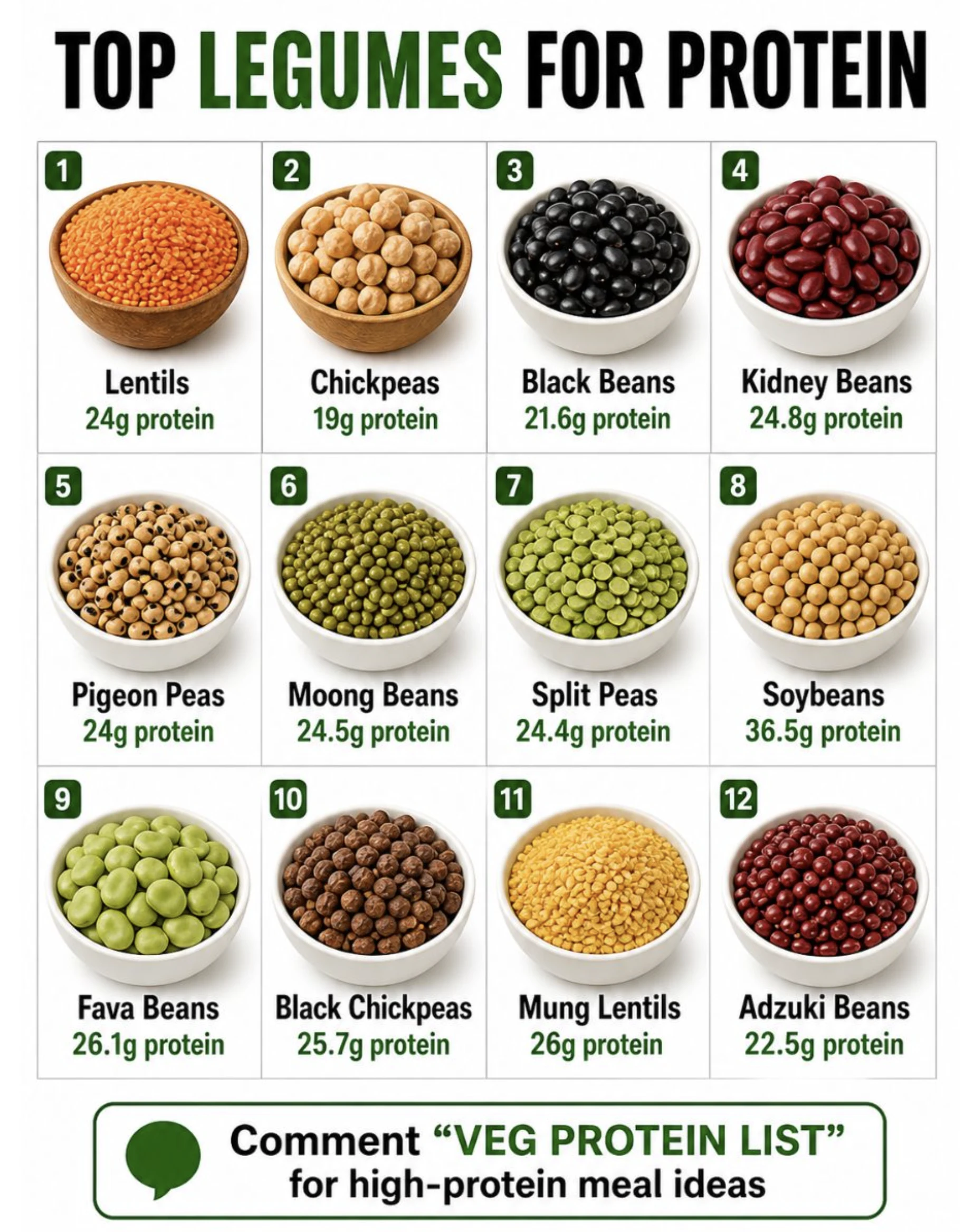
1. Lentils
Protein
24g protein per 1 cup dry lentils
~18g protein cooked
Calories
~230 calories cooked per cup
Best Uses
- lentil soup
- curry
- meal prep bowls
- pasta sauces
Meal Idea
High Protein Lentil Bowl
- 1 cup cooked lentils
- 1/2 cup brown rice
- roasted vegetables
- tahini sauce
Nutrition:
- ~430 calories
- ~22g protein
Lentils are one of the best legumes high in protein for beginners because they cook quickly and don’t require soaking.
2. Chickpeas
Protein
19g protein per cup dry
~14.5g cooked
Calories
~270 calories cooked per cup
Best Uses
- hummus
- salads
- roasted snacks
- curries
Meal Idea
Chickpea Power Salad
- 1 cup chickpeas
- cucumber
- tomatoes
- feta or tofu
- olive oil dressing
Nutrition:
- ~450 calories
- ~20g protein
Chickpeas are commonly included in plant based protein meal plan recipes because they’re filling and versatile.
3. Black Beans
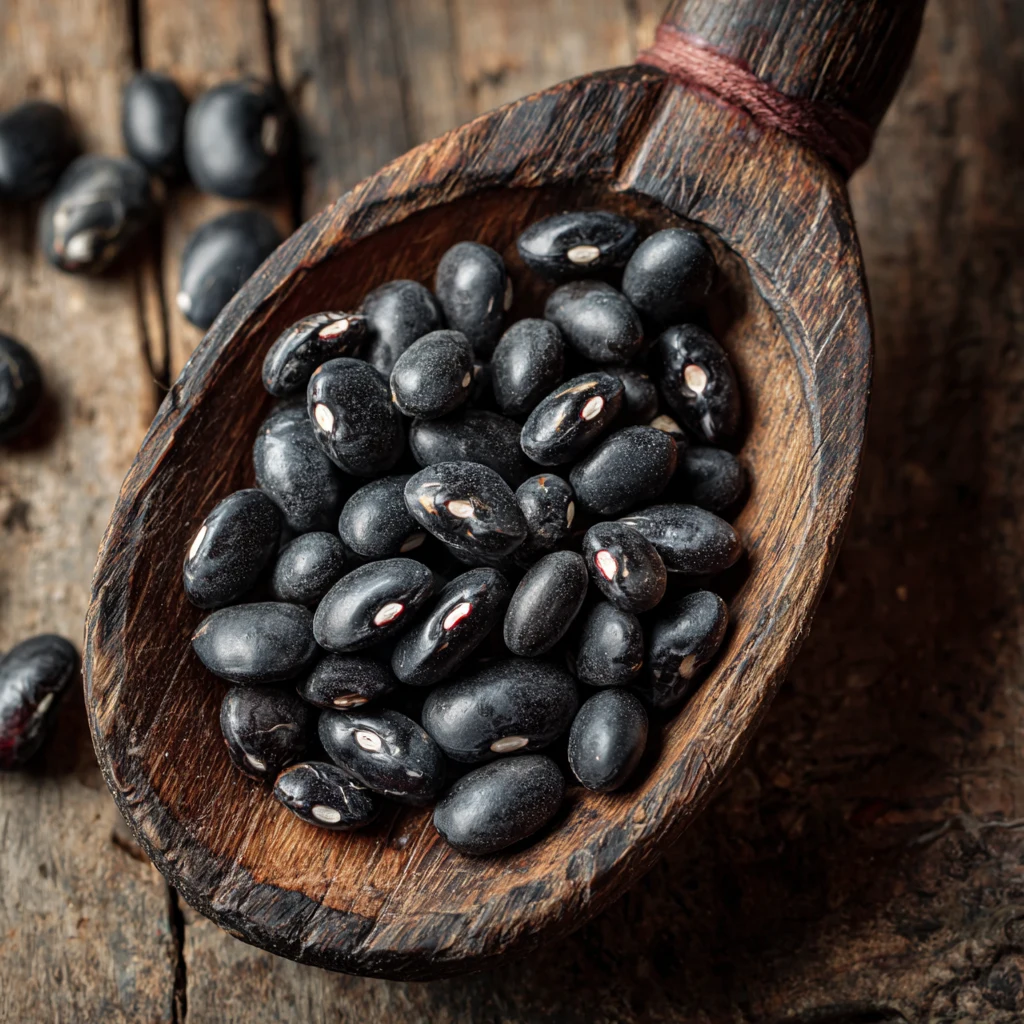
Protein
21.6g protein per cup dry
~15g cooked
Calories
~225 calories cooked per cup
Best Uses
- burrito bowls
- tacos
- chili
- soups
Meal Idea
High Protein Burrito Bowl
- 1 cup black beans
- 1/2 cup rice
- corn
- avocado
- salsa
Nutrition:
- ~500 calories
- ~21g protein
This is one of the easiest vegan meal prep ideas for busy weeks.
4. Kidney Beans
Protein
24.8g protein per cup dry
~15g cooked
Calories
~225 calories cooked per cup
Best Uses
- chili
- stews
- rice bowls
Meal Idea
Vegetarian Chili
- kidney beans
- tomatoes
- onions
- peppers
- quinoa
Nutrition:
- ~470 calories
- ~23g protein
5. Pigeon Peas
Protein
24g protein per cup dry
Calories
~210 calories cooked
Best Uses
- Caribbean dishes
- curries
- rice bowls
Meal Idea
Serve with:
- brown rice
- sautéed greens
- grilled tofu
6. Moong Beans
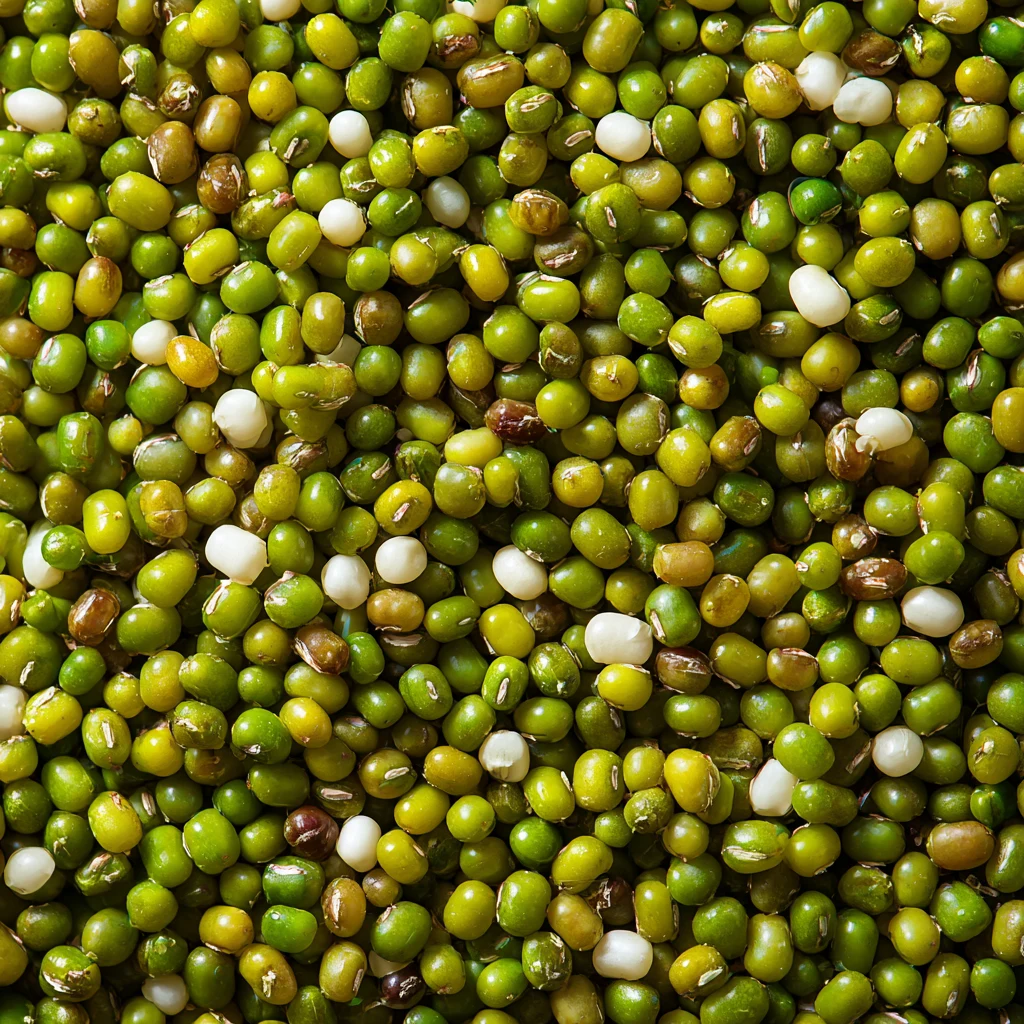
Protein
24.5g protein per cup dry
Calories
~212 calories cooked
Best Uses
- soups
- sprouts
- curries
- pancakes
Meal Idea
Moong Bean Curry
- moong beans
- coconut milk
- spinach
- spices
Nutrition:
- ~430 calories
- ~21g protein
7. Split Peas
Protein
24.4g protein per cup dry
Calories
~230 calories cooked
Best Uses
- split pea soup
- stews
Meal Idea
High Protein Split Pea Soup
- split peas
- carrots
- celery
- onions
- herbs
Nutrition:
- ~350 calories
- ~20g protein
Excellent for cold-weather meal prep.
8. Soybeans
Protein
36.5g protein per cup dry
~29g cooked
Calories
~300 calories cooked
Why Soybeans Stand Out
Soybeans are one of the highest vegan protein sources available.
They contain:
- complete protein
- iron
- healthy fats
Meal Idea
Edamame Protein Bowl
- soybeans
- quinoa
- avocado
- cucumbers
- sesame dressing
Nutrition:
- ~520 calories
- ~30g protein
Perfect for vegetarian muscle building foods meal plans.
9. Fava Beans
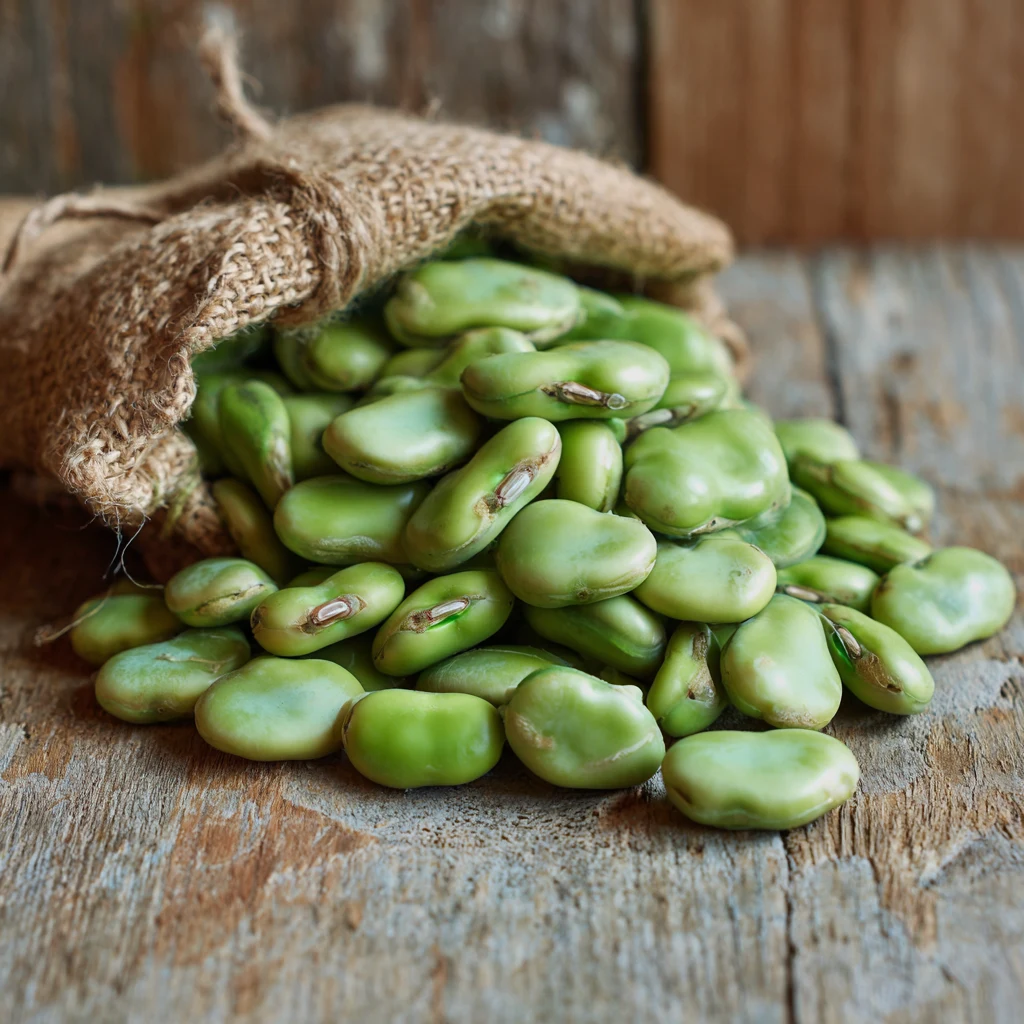
Protein
26.1g protein per cup dry
Calories
~190 calories cooked
Best Uses
- Mediterranean dishes
- salads
- dips
10. Black Chickpeas
Protein
25.7g protein per cup dry
Calories
~230 calories cooked
Best Uses
- Indian curries
- roasted snacks
- salads
Higher fiber than regular chickpeas.
11. Mung Lentils
Protein
26g protein per cup dry
Calories
~220 calories cooked
Best Uses
- dal
- soups
- patties
12. Adzuki Beans
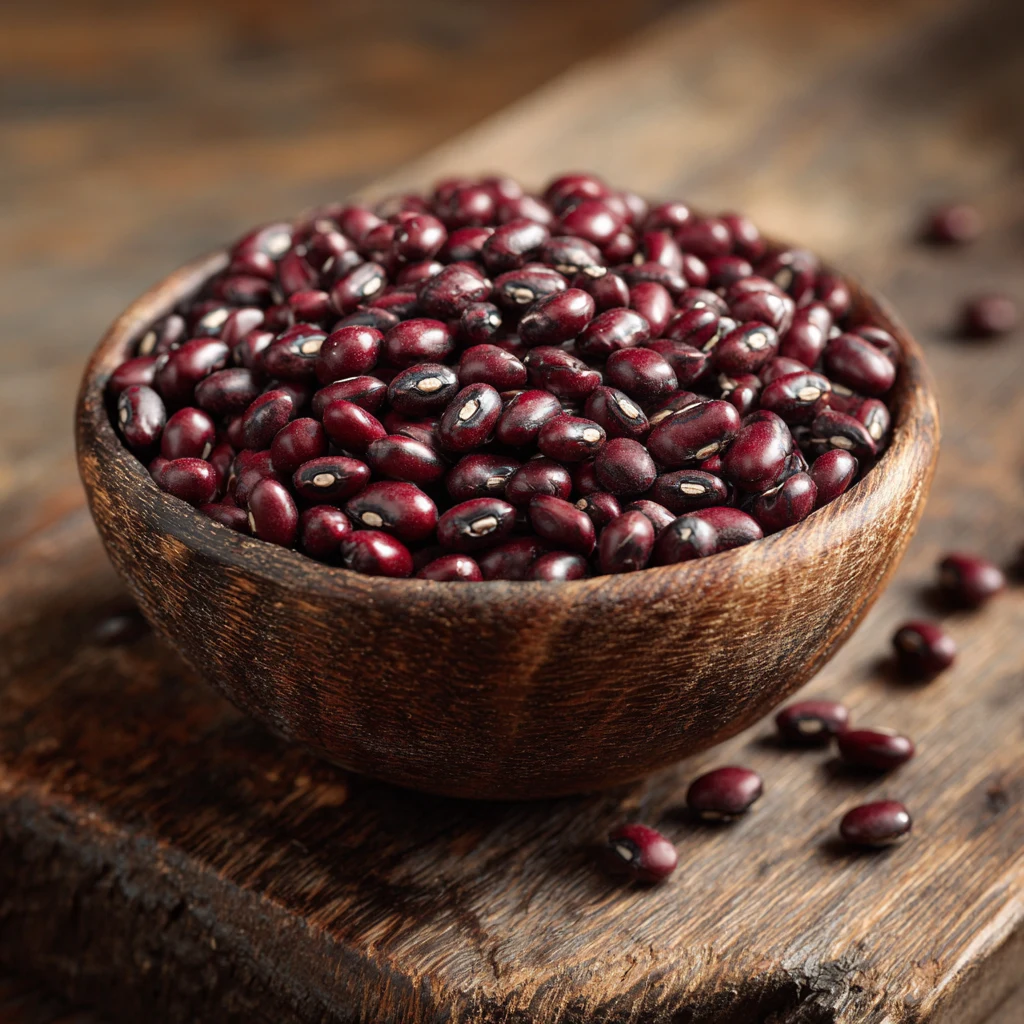
Protein
22.5g protein per cup dry
Calories
~210 calories cooked
Best Uses
- grain bowls
- soups
- desserts
How To Build Complete Plant-Based Protein Meals
Most legumes are not complete proteins on their own.
To improve amino acid balance, combine legumes with:
Whole Grains
- rice
- quinoa
- oats
- whole wheat bread
Nuts & Seeds
- pumpkin seeds
- almonds
- tahini
This approach is commonly used in high protein vegan meals and plant based protein meal plan strategies.
Sample High Protein Vegan Meal Plan
Breakfast
Protein oats with soy milk and chia seeds
~28g protein
Lunch
Black bean burrito bowl
~22g protein
Snack
Roasted chickpeas + almonds
~15g protein
Dinner
Lentil curry with quinoa
~30g protein
Total
~95–110g protein daily
Best Meal Prep Tips for Legumes
Batch Cook Weekly
Cook:
- lentils
- beans
- chickpeas
in large portions.
Freeze Portions
Most legumes freeze extremely well.
Use Multiple Seasonings
Try:
- garlic
- cumin
- paprika
- curry powder
- lemon juice
to prevent flavor boredom.
Common Mistakes With Plant Protein
Not Eating Enough Calories
Protein matters, but total calories also support muscle growth.
Ignoring Variety
Different legumes provide different nutrients.
Too Little Protein Per Meal
Aim for:
- 20–35g protein per meal
when possible.
Final Thoughts
Legumes are some of the best high protein vegetarian foods for building affordable, satisfying, and nutritious meals.
Whether you’re searching for:
- vegan protein sources
- high protein vegan meals
- vegetarian muscle building foods
- plant based protein meal plan ideas
- vegan meal prep ideas
these legumes make it easier to hit protein goals without relying heavily on processed foods.
With proper meal combinations and consistent intake, plant-based eating can absolutely support:
- muscle growth
- energy
- recovery
- overall health
For specific dietary needs or medical conditions, consult a qualified healthcare professional or registered dietitian.
Sources
- Harvard T.H. Chan School of Public Health — Legumes & Health
- Academy of Nutrition and Dietetics — Vegetarian Nutrition
- Mayo Clinic — Plant-Based Protein Sources
- USDA FoodData Central — Bean & Legume Nutrition Data