Making healthy eating easier starts with knowing your ingredients. Understanding the fiber content in your everyday vegetables can significantly simplify your meal planning and boost your overall nutrition. While all vegetables are undoubtedly good for you, they don’t all deliver the same fiber punch.
Our ultimate guide is designed to transform complex nutrition information into effortless choices. We’ll break down which common vegetables are rich in fiber and which are lower, empowering you to build a balanced plate that supports your health goals without any guesswork. Ready to simplify your meals and make smarter, fiber-rich choices?
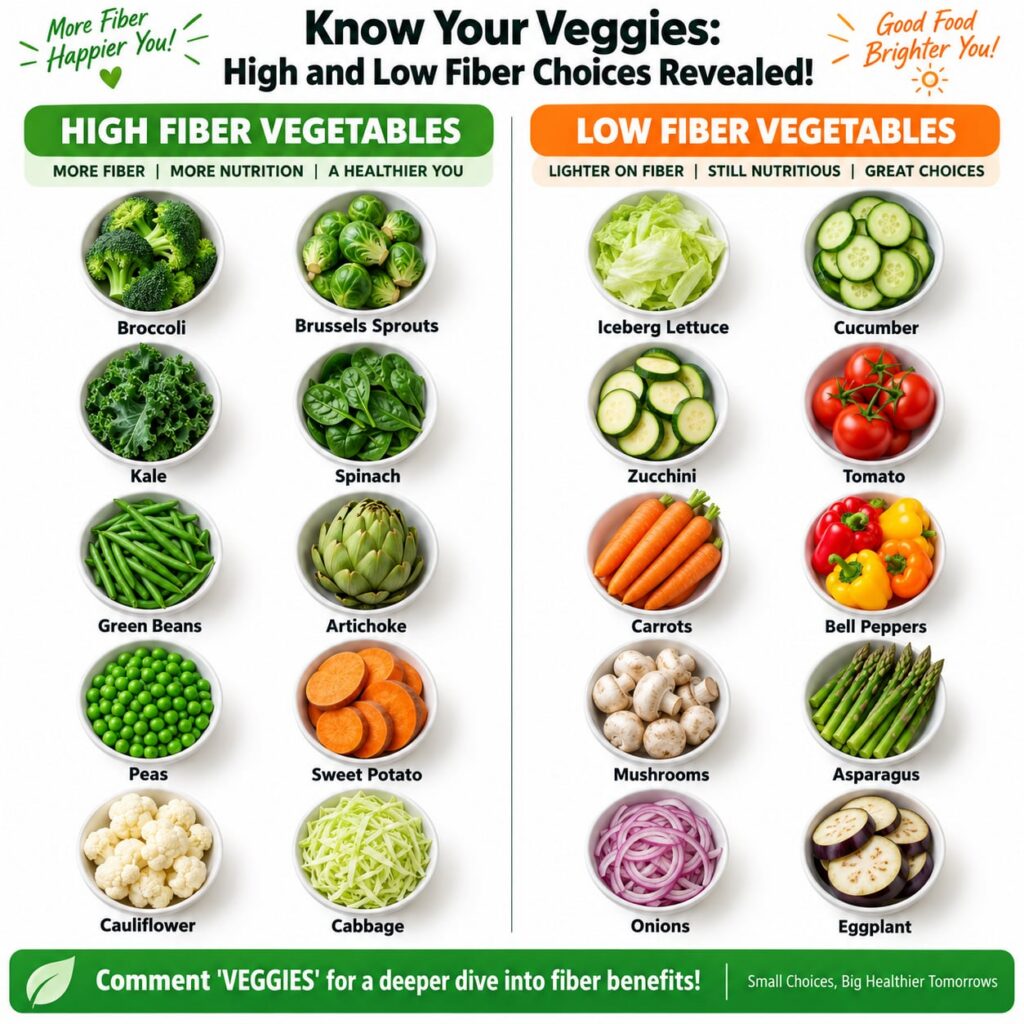
The Fiber Factor: Why It Matters for Your Health
Fiber is an essential nutrient that plays a crucial role in maintaining optimal health. Often called the ‘scrub brush’ for your digestive system, it’s much more than just a gut health hero. Dietary fiber, found primarily in plant foods like vegetables, fruits, grains, and legumes, is indigestible, yet incredibly beneficial.
It comes in two main forms:
- Soluble Fiber: Dissolves in water, forming a gel-like substance that can help lower blood cholesterol and glucose levels.
- Insoluble Fiber: Doesn’t dissolve in water and adds bulk to your stool, aiding in the regular movement of waste through your digestive tract and preventing constipation.
Together, these fibers contribute to digestive regularity, promote satiety (keeping you feeling full longer), help manage blood sugar levels, and can support heart health. Knowing which vegetables excel in fiber content can help you strategically include them for maximum benefit.
High Fiber Vegetables: Your Powerhouses for Optimal Health
These vegetables are nutritional powerhouses, packed with dietary fiber that supports gut health, satiety, and stable blood sugar. Incorporating them regularly can significantly boost your daily fiber intake.
Top Picks for High Fiber Veggies
- Broccoli: A cruciferous champion, broccoli is rich in both soluble and insoluble fiber, along with vitamins C and K. It’s excellent for digestive health and anti-inflammatory support.
- Brussels Sprouts: These mini cabbages are another fantastic source of fiber, particularly beneficial for gut microbiome diversity. They also offer a good dose of vitamins and antioxidants.
- Artichokes: Known for their unique taste, artichokes are exceptionally high in fiber, especially inulin, a type of prebiotic fiber that feeds beneficial gut bacteria.
- Leafy Greens (Spinach, Kale, Collard Greens): While often associated with vitamins, these greens also provide a good amount of fiber, contributing to digestive regularity and overall nutrient intake.
- Asparagus: This spring vegetable is not only delicious but also a good source of fiber and prebiotics, aiding in healthy digestion.
- Green Beans: Crunchy and versatile, green beans offer a moderate amount of fiber, along with vitamins A, C, and K.
- Sweet Potatoes: While technically a starchy vegetable, sweet potatoes are a significant source of dietary fiber, especially when eaten with the skin. They’re also rich in beta-carotene.
- Peas: Small but mighty, green peas are surprisingly high in fiber and plant-based protein, making them a great addition to many meals.
How to Incorporate More High Fiber Vegetables
Adding more high-fiber vegetables to your diet can be simple and delicious. Here are some practical tips:
- Roast Them: Roasting brings out their natural sweetness. Try roasted broccoli, Brussels sprouts, or asparagus as a side dish.
- Add to Stir-Fries: Broccoli, green beans, and leafy greens integrate seamlessly into stir-fries for a fiber boost.
- Blend into Smoothies: Kale or spinach can be blended into fruit smoothies for added fiber without significantly altering the taste.
- Soups and Stews: Incorporate artichoke hearts, peas, or diced sweet potatoes into your favorite hearty recipes.
- Salads: Use raw spinach or kale as a base, and add steamed green beans or blanched asparagus.
Low Fiber Vegetables: Still Valuable, Still Nutritious
While their fiber content might be lower, these vegetables are still incredibly valuable. They provide essential vitamins, minerals, antioxidants, and hydration, and are often easier to digest for those with sensitive stomachs or specific dietary needs.
Everyday Low Fiber Favorites
- Lettuce (Romaine, Butter, Iceberg): Primarily water, lettuces offer hydration and a light crunch, perfect for adding volume to salads without excessive fiber.
- Cucumbers: Almost entirely water, cucumbers are refreshing and contain some vitamins, making them excellent for hydration and light snacking.
- Bell Peppers: These colorful vegetables are rich in vitamin C and antioxidants. They provide a satisfying crunch with a lower fiber content than many other veggies.
- Zucchini: A versatile summer squash, zucchini is mild in flavor and contains a good amount of water and potassium, making it easy to digest.
- Mushrooms: While they have some fiber, mushrooms are generally considered lower in fiber and are packed with unique nutrients and umami flavor.
- Radishes: Offering a peppery kick, radishes are low in calories and fiber but contribute to hydration and a different texture profile.
- Celery: Known for its crunch and high water content, celery is a good source of vitamin K and electrolytes, with minimal fiber.
- Tomatoes: Technically a fruit but used as a vegetable, tomatoes are low in fiber, high in water, and rich in lycopene and vitamin C.
When to Choose Low Fiber Options
There are specific situations where low-fiber vegetables can be particularly beneficial:
- Sensitive Digestion: For individuals with conditions like IBS, Crohn’s disease, or during flare-ups, low-fiber options can be gentler on the digestive system.
- Adding Volume and Hydration: Low-fiber vegetables like lettuce and cucumber are excellent for adding bulk to meals and boosting hydration without increasing fiber too much.
- Calorie Management: Their high water content and low-calorie count make them ideal for adding volume to meals without significantly increasing caloric intake.
- Meal Prep for Lightness: When you need a refreshing, light component for a meal prep container, these veggies can be perfect.
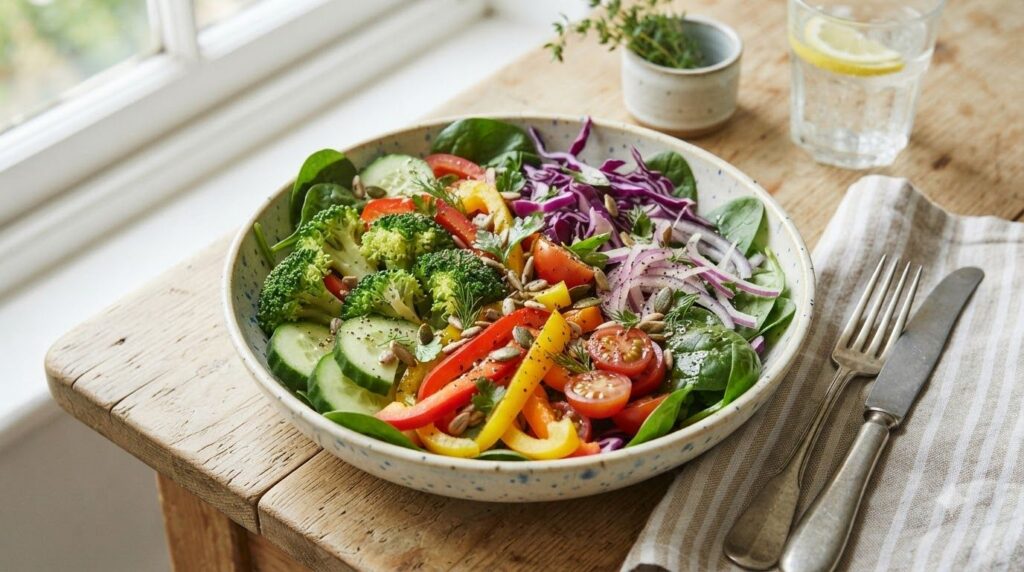
Building Your Balanced Plate: A Fiber-Smart Approach
The key to a truly healthy and balanced plate isn’t just about choosing one type of vegetable over another; it’s about thoughtful combination and variety. Here’s how to build a fiber-smart plate:
- Prioritize Variety: Aim for a rainbow of vegetables. Different colors often indicate different nutrients and fiber types.
- Mix and Match: Don’t hesitate to combine high and low fiber vegetables in the same meal. For example, a large salad could have a base of low-fiber lettuce, topped with high-fiber broccoli and chickpeas, alongside hydrating cucumber and bell peppers.
- Listen to Your Body: If you’re new to increasing fiber, do so gradually to avoid digestive discomfort. Pay attention to how different vegetables make you feel.
- Consider Cooking Methods: Cooking can sometimes break down some fiber, making it easier to digest, though the overall content remains. Raw vegetables generally retain the most fiber.
- Think Beyond the Main Meal: Snacks can be an excellent opportunity to add more fiber. Carrot sticks (moderate fiber) with hummus, or cucumber slices with a low-calorie dip, are great choices.
Final Thoughts
Understanding the distinction between high and low fiber vegetables is a powerful tool for effortless healthy eating. Both categories offer immense nutritional value and play unique roles in a balanced diet. By consciously including a diverse array of these plant-based powerhouses, you can support your digestion, maintain satiety, and nourish your body from the inside out. Start experimenting with these fiber-smart choices today and feel the difference!
Medical Disclaimer
The information provided in this article is for general knowledge and informational purposes only, and does not constitute medical advice. It is essential to consult with a qualified healthcare professional or registered dietitian before making any significant changes to your diet or if you have any health concerns.