Your Essential Bulb Planting Calendar Guide!
There’s nothing quite like the anticipation and joy of seeing your garden burst into color, and flower bulbs are truly nature’s hidden treasures, promising spectacular blooms with just a little foresight. Knowing when to plant these underground gems is key to a breathtaking display. That’s why we’ve put together this essential bulb planting calendar guide to help you plan your garden’s seasonal symphony!
From cheerful spring awakenings to vibrant summer spectacles, understanding the optimal planting times for different bulbs ensures they establish well and put on their best show. Let’s dig in and discover how to time your plantings for a continuous parade of beauty!
Understanding Bulb Seasons: Spring vs. Summer Bloomers
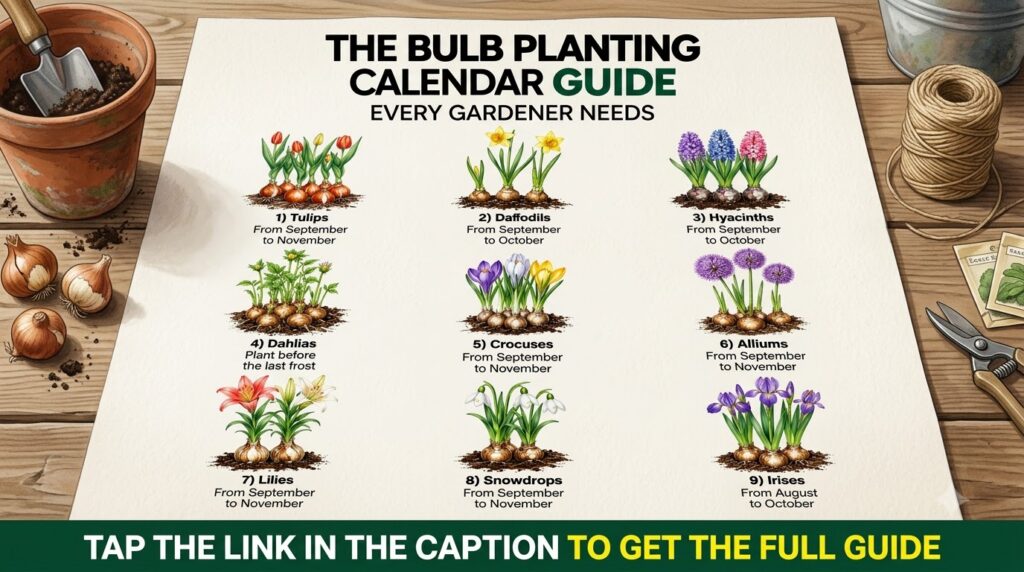
Bulbs are generally categorized by their blooming season. Spring-flowering bulbs (like tulips, daffodils, and crocuses) need a period of cold to bloom, so they are typically planted in the autumn before the ground freezes. Summer-flowering bulbs (such as dahlias and lilies) are usually planted in spring after the danger of frost has passed.
Your Seasonal Bulb Planting Calendar
Let’s break down when to plant some of your favorite flower bulbs for spectacular results.
Autumn Planting (For Spring Blooms)
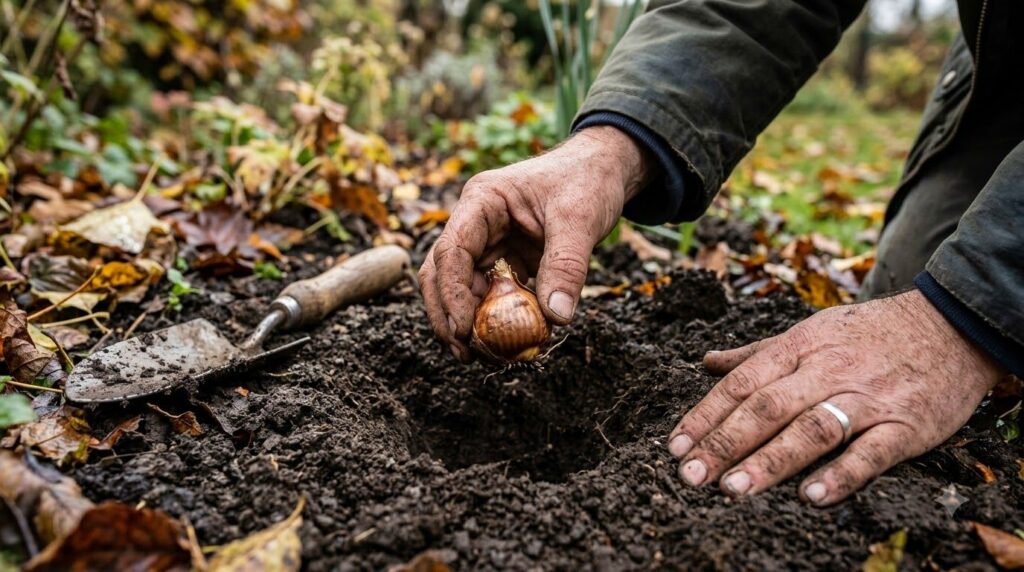
Planting in the fall gives these bulbs the crucial chill period they need to develop strong root systems and beautiful flowers come springtime.
-
Tulips
When to Plant: September to November (before the first hard frost).
Tips: Plant 6-8 inches deep and 4-6 inches apart in well-draining soil. They love full sun.
-
Daffodils (Narcissus)
When to Plant: September to November.
Tips: Plant 6 inches deep and 4-6 inches apart. Daffodils are quite forgiving and naturalize well, returning year after year. They prefer full sun to partial shade.
-
Hyacinths
When to Plant: September to November.
Tips: Plant 6 inches deep and 4-6 inches apart. Known for their intense fragrance, they do best in full sun and well-drained soil.
-
Crocuses
When to Plant: September to November.
Tips: Plant 3-4 inches deep and 3 inches apart. These early bloomers are perfect for adding color to lawns or rock gardens. They thrive in full sun.
-
Alliums
When to Plant: September to November.
Tips: Plant 6-8 inches deep and 8-10 inches apart, depending on the variety. Alliums are architectural and deer-resistant, preferring full sun and good drainage.
-
Snowdrops (Galanthus)
When to Plant: September to November (or ‘in the green’ in late winter/early spring).
Tips: Plant 2-3 inches deep and 2-3 inches apart. These tiny, delicate flowers are among the first to appear, often peeking through snow. They prefer partial shade and moist soil.
-
Irises (Bearded & Dutch)
When to Plant: September to November for bearded irises, or late summer for Dutch irises.
Tips: For bearded irises, plant the rhizome partially exposed in full sun. Dutch irises are planted 4-6 inches deep. Ensure well-drained soil.
Spring Planting (For Summer Blooms)
These bulbs need warmer soil to grow and are sensitive to frost, so wait until spring when the danger of frost has passed.
-
Dahlias
When to Plant: April to May (after the last frost).
Tips: Plant 4-6 inches deep, ensuring the ‘eye’ or growth point faces upwards. They need full sun and rich, well-drained soil. You might need to stake taller varieties.
-
Lilies
When to Plant: April to May.
Tips: Plant 6-8 inches deep, or three times the height of the bulb. Lilies prefer full sun to partial shade and moist, well-drained soil. Some varieties may need staking.
General Tips for Bulb Planting Success
No matter which bulb you’re planting, these general tips will help ensure a thriving garden:
- Choose Quality Bulbs: Start with firm, healthy bulbs free from mold or soft spots.
- Right Place, Right Time: Always check the specific planting and sun requirements for each bulb variety.
- Well-Drained Soil: Bulbs hate wet feet! Ensure your soil drains well to prevent rot. Amend heavy clay soils with compost or grit.
- Proper Depth: A good rule of thumb is to plant bulbs at a depth of about two to three times their height.
- Fertilize (Optional but Recommended): A slow-release bulb fertilizer or bone meal can give your bulbs a boost, especially when planting.
- Water After Planting: This helps settle the soil around the bulbs and encourages root development.
- Protection: If you have issues with squirrels or other critters, consider covering your planted areas with wire mesh or using repellents.
By following this calendar and these simple tips, you’re well on your way to enjoying a garden filled with vibrant, healthy blooms throughout the seasons. Happy planting!