Clear thinking isn’t random; it’s biochemical.
Your brain runs on nutrients, and the foods you choose each day influence how well you focus, remember, and process information. Some ingredients strengthen neurotransmitters, some improve blood flow, and others protect your neurons from inflammation.
Here’s a simple, readable breakdown of the foods that support long-term brain health.
Hazelnuts: nourishment for neural cells
Hazelnuts are rich in vitamin E, a nutrient that stabilizes cell membranes and shields your neurons from oxidative stress. This matters because the brain uses a lot of energy and accumulates damage faster than most organs.
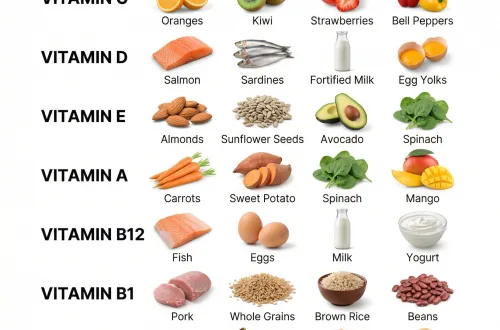
Key idea: Vitamin E helps slow cognitive decline over time.
:max_bytes(150000):strip_icc()/GettyImages-1729805254-24c1ee76b2b7403e8c05d4063307b3ac.jpg)
Walnuts: memory and focus support
Walnuts contain ALA (a plant omega-3), polyphenols, and antioxidants. Together, they enhance synaptic plasticity – the brain’s ability to form and maintain memories.
Even a small handful a day offers measurable benefits.
Lentils: steady, reliable energy for the brain
Lentils provide folate and slow-digesting carbohydrates. Folate supports neurotransmitter production, while the fiber helps regulate blood sugar for consistent mental energy.
This is one of the best “no-crash” foods for people who need long focus hours.
:max_bytes(150000):strip_icc()/Lentils-Are-Your-Ticket-to-Quick-and-Hearty-Meals-FT-BLOG0125-83a85aa4ddcf47f4ac0a5a71870a379d.jpg)
Soybeans: protection against stress and fatigue
Soybeans contain lecithin and isoflavones. Lecithin helps form acetylcholine, a neurotransmitter crucial for learning, memory, and mental clarity.
They also support myelin, the protective layer that keeps brain signals fast and smooth.
Peanuts: natural dopamine support
Peanuts deliver resveratrol, a plant antioxidant known to improve blood flow to the brain. Better circulation translates directly into sharper thinking and improved reaction time.
A small portion is enough; more isn’t necessarily better.
Oats: clean, stable fuel
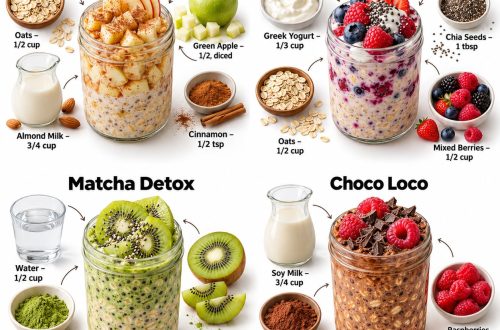
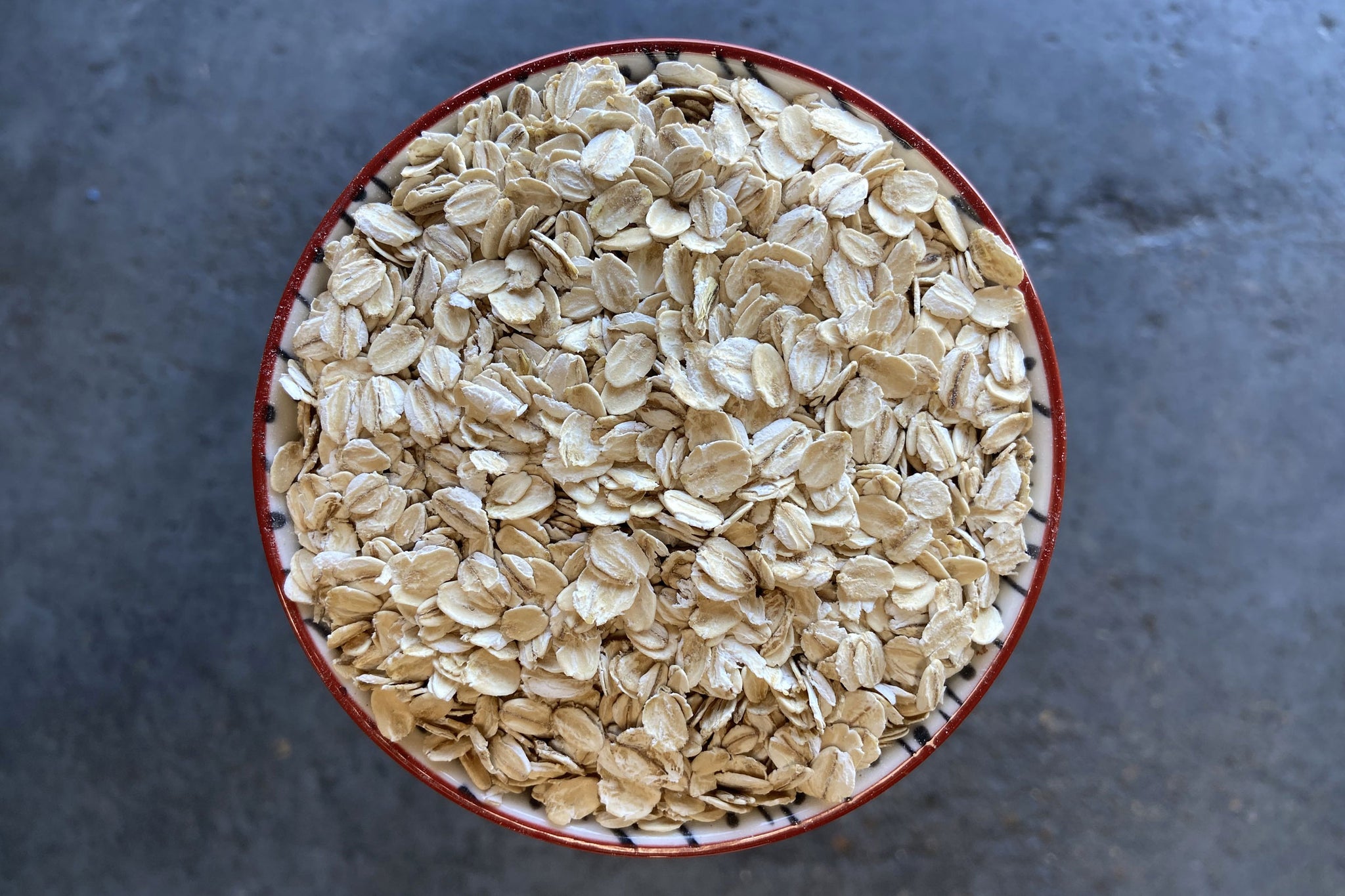
Your brain performs best when blood sugar is steady. Oats provide complex carbs and beta-glucan, releasing energy gradually and preventing “brain fog” after meals.
A warm bowl in the morning is a simple daily mental upgrade.
Carrots: clearer vision and better processing
Carrots offer beta-carotene, an antioxidant that helps reduce inflammation in both the eyes and the neural pathways that handle visual information.
Better vision often means faster mental processing.
Biotin (B7): cellular energy for the brain
Biotin helps your cells convert food into usable energy. When levels are low, your brain feels tired, unfocused, and mentally slow.
You can get B7 from almonds, eggs, legumes, or supplements when needed.
Egg yolk: the foundation of strong memory
Egg yolks contain choline, the building block of acetylcholine — the neurotransmitter responsible for learning, recall, and quick thinking.
One egg a day is a practical way to support brain chemistry.
Fatty fish: long-term brain protection
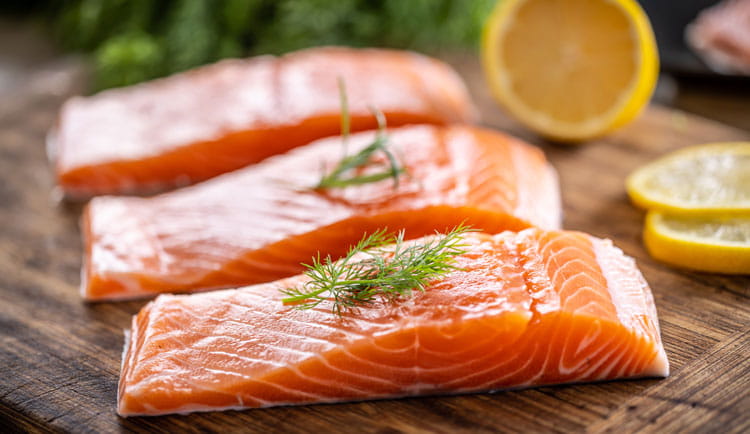
Salmon, sardines, and mackerel are rich in DHA, the omega-3 fat that forms the structural foundation of your brain. DHA reduces inflammation, supports mood, and helps keep neurons flexible.
This is one of the most studied nutrients for lifelong cognitive health.
How to Use This List (For Real Results)
You don’t have to eat all ten foods. Pick 3–4 and make them part of your weekly routine.
Example of a simple day:
-
Morning: oatmeal with walnuts
-
Lunch: eggs or tofu
-
Snack: blueberries or peanuts
-
Dinner: fatty fish once or twice a week
Your brain responds quickly when it gets the nutrients it’s been missing.