Feeling drained after a tough workout, a long day, or just pushing your limits? What you eat plays a huge role in how quickly and effectively you bounce back! Fueling your body with the right foods isn’t just about replenishing energy; it’s about rebuilding, repairing, and revitalizing you from the inside out so you can feel ready for anything.
Understanding the importance of recovery nutrition can transform how you feel day-to-day, enhancing your performance and overall well-being. Let’s explore why recovery foods are so crucial and what delicious options you can add to your plate.
Why Recovery Foods Matter
Our bodies are incredible machines, but they need the right fuel to repair and strengthen themselves, especially after physical exertion or periods of stress. When you engage in activities that challenge your muscles, you create microscopic tears in muscle fibers and deplete your energy stores (glycogen). Proper recovery nutrition helps:
- Repair Muscle Tissue: Protein provides the amino acids necessary to rebuild and strengthen muscle fibers.
- Replenish Energy Stores: Carbohydrates restore glycogen levels in your muscles and liver, which are vital for sustained energy.
- Reduce Inflammation: Certain nutrients can help mitigate post-exercise inflammation and soreness, speeding up the recovery process.
- Support Immune Function: Intense activity can temporarily suppress the immune system. Nutrient-rich foods help keep your defenses strong.
- Prevent Fatigue: Consistent replenishment ensures you have the energy needed for daily tasks and future activities.
Key Nutrients for Optimal Recovery
1. Protein: The Muscle Builder
Protein is paramount for muscle repair and growth. Aim for lean sources to provide your body with the amino acids it needs.
Good Sources: Chicken breast, turkey, fish, eggs, Greek yogurt, cottage cheese, tofu, lentils, beans, protein powder.
2. Carbohydrates: The Energy Restorer
Carbohydrates are your body’s primary fuel source. Replenishing glycogen stores is crucial, especially after endurance activities. Focus on complex carbohydrates for sustained energy and fiber.
Good Sources: Sweet potatoes, quinoa, brown rice, whole-grain bread, oats, fruits (bananas, berries), vegetables.
3. Healthy Fats: The Anti-Inflammatory Boost
While not an immediate recovery fuel, healthy fats play a vital role in reducing inflammation and supporting overall cellular health.
Good Sources: Avocados, nuts, seeds (chia, flax), olive oil, fatty fish (salmon, mackerel).
4. Vitamins and Minerals: The Supporting Cast
Micronutrients like vitamins C and E, zinc, and magnesium are essential for immune function, antioxidant protection, and muscle contraction.
Good Sources: Leafy greens, colorful fruits and vegetables, nuts, seeds, whole grains.
Top Recovery Food Ideas to Add to Your Plate
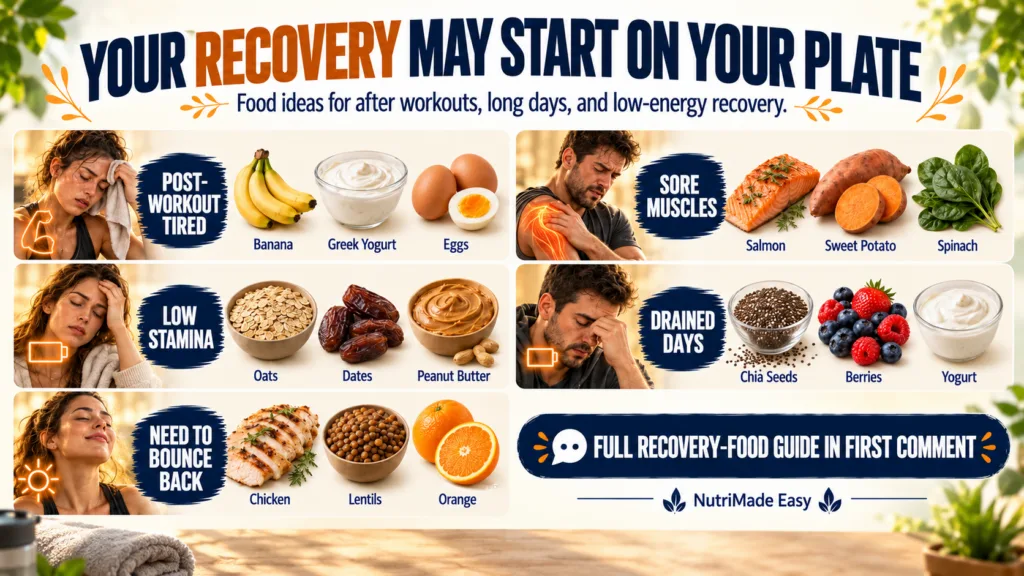
- Greek Yogurt with Berries and Granola: A perfect blend of protein for muscle repair, carbohydrates from berries and granola for energy, and antioxidants.
- Salmon with Sweet Potato and Steamed Veggies: Offers omega-3 fatty acids for inflammation, complex carbs, and a spectrum of vitamins and minerals.
- Chicken and Quinoa Salad: Lean protein, fiber-rich complex carbohydrates, and various vegetables for micronutrients.
- Peanut Butter and Banana Sandwich on Whole Wheat: A quick and easy option for carbohydrates and protein, providing sustained energy.
- Smoothie with Protein Powder, Spinach, and Fruit: Highly customizable, delivering a concentrated dose of protein, carbs, and greens.
- Eggs on Whole-Grain Toast with Avocado: Eggs provide complete protein, while avocado offers healthy fats, and toast replenishes carbs.
Timing Your Recovery Nutrition
While fueling throughout the day is important, the ‘anabolic window’ – the period after exercise – is often highlighted. Aim to consume a combination of protein and carbohydrates within 30-60 minutes after intense activity to optimize muscle repair and glycogen replenishment. However, don’t stress if you miss this window; consistent healthy eating throughout the day is the most important factor for long-term recovery.
Don’t Forget Hydration!
Alongside nourishing foods, staying well-hydrated is crucial for recovery. Water helps transport nutrients, regulate body temperature, and lubricate joints. Drink water before, during, and after your activities.
What’s On Your Recovery Plate?
By making conscious choices about what you eat, you can significantly enhance your body’s ability to recover, ensuring you feel energized and ready to tackle your next challenge. Focus on a balanced diet rich in whole foods, and you’ll be giving your body the best possible support.
What are your go-to recovery foods that help you feel amazing and bounce back quickly? Share your favorites below!