What if one common kitchen staple held a surprising secret to enhancing your well-being from the inside out? You might walk past it in the grocery store without a second thought, but this humble ingredient, often overshadowed by its larger onion relatives, is a tiny powerhouse of natural wellness.
Why This Matters
In our journey to discover natural remedies and everyday superfoods, we often overlook the simplest items right in our kitchens. Shallots, with their delicate flavor and versatile use in countless cuisines, are much more than just a culinary delight. They’re gaining recognition for an impressive nutritional profile and their potential to support various aspects of health, from maintaining a happy heart to fostering a vibrant gut and even promoting glowing skin.
But how can such a small bulb pack such a punch, and what makes it so special? Many people enjoy their taste but are unaware of the profound benefits lurking beneath their papery skins. It’s time to shine a light on this unassuming hero and explore why it’s becoming a go-to ingredient for those seeking a natural boost to their vitality.
Main Educational Content: The Hidden Power of Shallots
Shallots, botanically known as Allium ascalonicum, belong to the onion family and are celebrated for their milder, sweeter flavor compared to their pungent cousins. But beyond their culinary appeal, they are packed with a remarkable array of compounds that offer potential health benefits.
The Nutritional Profile: More Than Just Flavor
These small bulbs are surprisingly nutrient-dense. They contain essential vitamins and minerals, including:
- Vitamin C: A powerful antioxidant crucial for immune function and skin health.
- Vitamin B6: Important for brain development and function, and helps the body make hormones.
- Manganese: Involved in bone health, metabolism, and antioxidant defense.
- Potassium: Key for maintaining healthy blood pressure and fluid balance.
But the true stars are their unique plant compounds:
- Quercetin: A potent flavonoid antioxidant, extensively studied for its anti-inflammatory properties.
- Allicin: A sulfur-containing compound also found in garlic, known for its immune-boosting and cardiovascular support.
- Kaempferol: Another flavonoid with antioxidant and anti-inflammatory potential.
Shallots for a Healthy Heart
When it comes to cardiovascular well-being, shallots may offer significant support. The presence of allicin and quercetin is particularly noteworthy.
- Blood Pressure Support: Some research suggests that compounds in allium vegetables, including shallots, may help relax blood vessels and contribute to maintaining healthy blood pressure levels.
- Cholesterol Balance: Allicin may play a role in supporting healthy cholesterol levels, which is vital for preventing plaque buildup in arteries.
- Antioxidant Protection: The antioxidants in shallots help combat oxidative stress, which can damage cells and contribute to heart disease.
Traditionally, allium vegetables have been prized in various cultures for their heart-protective qualities, a wisdom now increasingly supported by modern dietary science.
Nourishing Your Gut Microbiome with Shallots
A healthy gut is foundational to overall wellness, and shallots can contribute to its balance.
- Prebiotic Fiber: Shallots contain fructans, a type of prebiotic fiber that feeds beneficial gut bacteria. A thriving microbiome is linked to improved digestion, nutrient absorption, and even mood.
- Anti-inflammatory Effects: The anti-inflammatory compounds can help soothe the digestive tract and reduce gut irritation, potentially benefiting those with sensitive digestive systems.
Incorporating shallots into your diet can be a delicious way to support a happy and diverse gut flora.
Radiant Skin: An Unexpected Shallot Benefit
Who knew a simple shallot could be a secret weapon for your skin? The connection lies in its powerful nutrients and antioxidants:
- Collagen Support: Vitamin C is essential for collagen synthesis, the protein that gives skin its structure and elasticity. Adequate Vitamin C intake may help maintain a youthful complexion.
- Antioxidant Shield: Quercetin and other antioxidants protect skin cells from damage caused by free radicals, which can accelerate aging and contribute to dullness.
- Anti-inflammatory Action: By reducing inflammation throughout the body, shallots may help calm skin conditions and promote a clearer, more even skin tone.
While not a magic bullet, a diet rich in shallots may contribute to a healthier glow from within.
Beyond the Basics: Immune Support and Antioxidant Power
Shallots are a boon for your immune system, thanks to their vitamin and antioxidant content. Vitamin C directly supports immune cell function, while allicin has been traditionally used for its antimicrobial properties. These combined forces offer a natural way to bolster your body’s defenses, helping you stay vibrant and resilient year-round.
Practical Guide: Incorporating Shallots into Your Diet
Adding shallots to your meals is wonderfully simple. Their mild, slightly sweet flavor makes them incredibly versatile.
Preparation & Usage Ideas
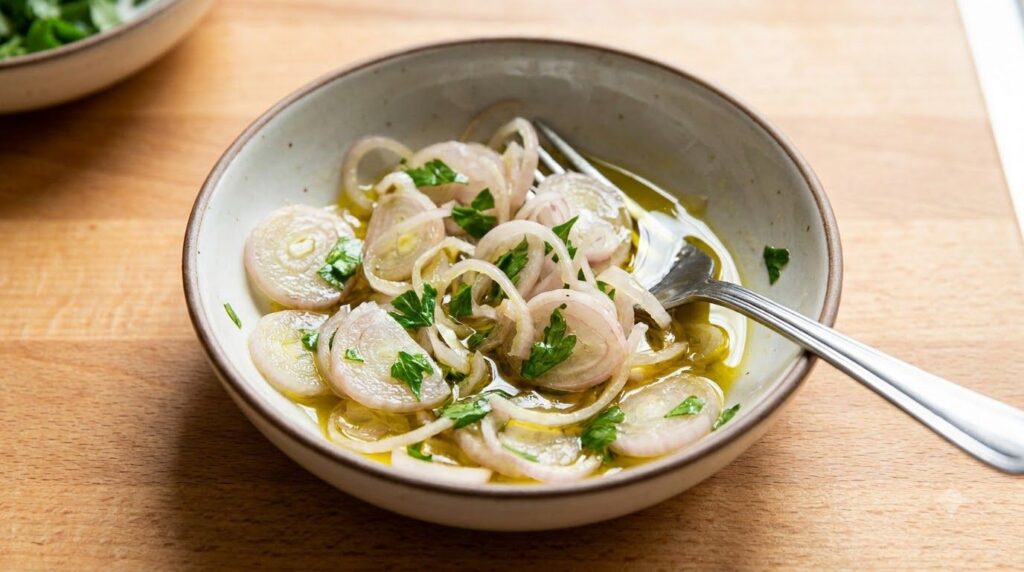
- Raw: Finely slice or mince raw shallots to add a delicate, pungent kick to salads, vinaigrettes, salsas, and dips. Their milder flavor makes them more palatable raw than many onions.
- Sautéed & Caramelized: Sauté shallots until translucent for a flavorful base for soups, stews, and sauces. Caramelize them slowly for a sweet, rich addition to sandwiches, pizzas, or as a side dish.
- Roasted: Toss whole or halved shallots with olive oil, salt, and pepper, then roast until tender and slightly charred. They make a fantastic side dish for roasted vegetables or meats.
- Pickled: Quick-pickled shallots add a bright, tangy element to tacos, salads, and charcuterie boards.
- Dressings & Marinades: Blend raw shallots into homemade salad dressings or marinades for an extra layer of flavor and health benefits.
Storage Tips
Store whole, unpeeled shallots in a cool, dry, dark, and well-ventilated place, like a mesh bag in your pantry. Avoid refrigerating them, as moisture can cause them to spoil faster. Properly stored, they can last for several weeks.
Safety & Precautions
While shallots are generally safe and beneficial for most people, a few considerations are worth noting:
- Allergies: Individuals with allergies to other allium vegetables (like onions or garlic) may also be sensitive to shallots.
- Digestive Sensitivity: For some people, especially those with irritable bowel syndrome (IBS), the fructans in shallots (and other alliums) can cause digestive discomfort like gas and bloating. Start with small amounts to assess tolerance.
- Blood Thinners: Like garlic and onions, shallots contain compounds that may have mild blood-thinning effects. If you are on blood-thinning medication, consult your healthcare professional before significantly increasing your intake.
- Consult Your Doctor: If you have existing medical conditions or are pregnant or breastfeeding, it’s always wise to speak with a healthcare professional before making significant dietary changes, especially when aiming for therapeutic benefits.
Key Takeaways
- Shallots are nutrient-dense, providing vitamins, minerals, and potent antioxidants like quercetin and allicin.
- They may support heart health by contributing to healthy blood pressure and cholesterol levels.
- Their prebiotic fiber content helps nourish a diverse and healthy gut microbiome.
- The antioxidants and Vitamin C in shallots can contribute to skin health and collagen production.
- Shallots are versatile in the kitchen and can be enjoyed raw, sautéed, roasted, or pickled.
- Always be mindful of potential allergies or digestive sensitivities, and consult a healthcare professional for specific health concerns.
FAQ
Are shallots better for you than onions?
Both shallots and onions are incredibly healthy, but shallots tend to have a slightly higher concentration of certain beneficial compounds like quercetin. They also offer a milder flavor profile, making them more palatable for some people, especially when consumed raw. The ‘better’ choice often comes down to taste preference and how you plan to use them in your cooking.
Can I eat shallots raw?
Absolutely! Raw shallots are delicious and retain all their heat-sensitive nutrients. They have a milder, sweeter, and less pungent flavor than raw onions, making them an excellent addition to salads, dressings, and dips.
How much shallot should I eat for health benefits?
There’s no specific recommended dosage for shallots. Incorporating them regularly into your diet as part of balanced meals is a great approach. Even a small amount, like a tablespoon or two minced, can contribute to your daily intake of beneficial compounds.
What’s the best way to store shallots?
Store whole, unpeeled shallots in a cool, dry, dark, and well-ventilated area, such as a pantry or a mesh bag. Avoid storing them in the refrigerator, as the moisture can lead to quicker spoilage. They typically last for several weeks when stored correctly.
Do shallots have anti-inflammatory properties?
Yes, shallots are rich in antioxidants, particularly quercetin, which is well-known for its anti-inflammatory properties. These compounds can help reduce inflammation throughout the body, contributing to overall health and well-being.
Related Reading
- The Power of Prebiotics: Feeding Your Gut for Optimal Health
- Herbal Heroes: Natural Ingredients for a Healthy Heart
- Antioxidant-Rich Foods for Radiant Skin
- Boost Your Immunity Naturally: Everyday Foods That Help