Hello, fellow garden enthusiasts! Have you ever wondered why some of your vegetables flourish while others struggle, even with the same care? Often, the secret lies in one crucial element: sunlight. Understanding and optimizing your garden’s sun exposure is the key to unlocking its full potential and enjoying bountiful harvests. Let’s dive into how you can become a sun-savvy gardener!
Understanding Your Garden’s Light Zones
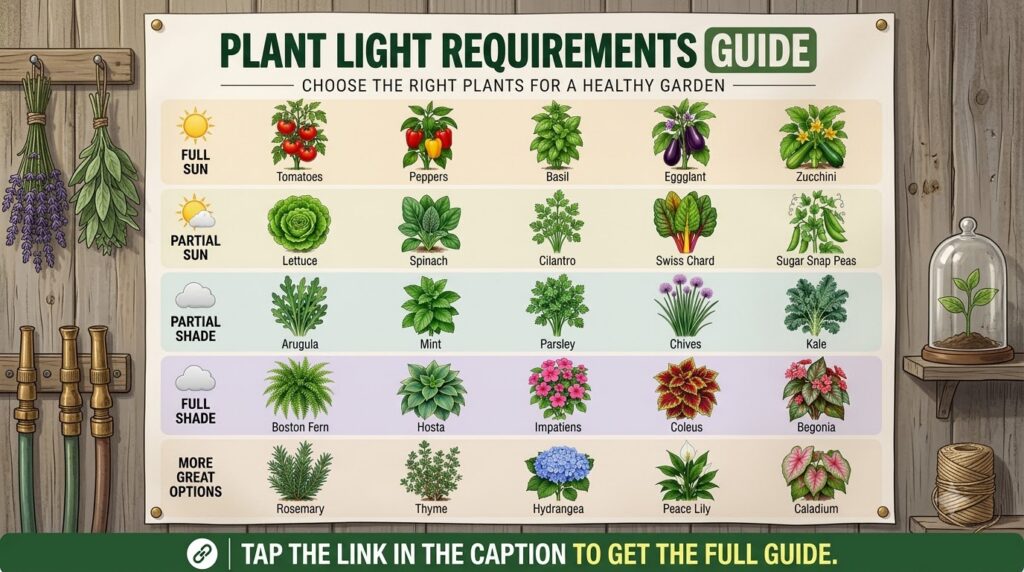
Before planting a single seed, it’s vital to assess the light conditions in different areas of your garden. Sunlight isn’t a one-size-fits-all concept; different plants have varying needs. Here’s a quick guide to what common light terms mean for your plants:
- Full Sun: This means at least 6-8 hours of direct sunlight per day, ideally during the hottest parts of the day. Most fruiting vegetables thrive here.
- Partial Sun: Plants in partial sun need 4-6 hours of direct sun daily, often preferring morning sun and some afternoon shade to escape intense heat.
- Partial Shade: Similar to partial sun, but with a stronger preference for protection from the most intense afternoon sun. These areas get 3-6 hours of sun, often dappled or indirect for part of the day.
- Full Shade: An area that receives less than 3 hours of direct sunlight per day, often with bright indirect light. While most vegetables won’t thrive here, some leafy greens can tolerate it.
Sun-Loving Stars: Vegetables for Full Sun
Many of our favorite garden vegetables are true sun worshippers. If you have a spot that gets abundant direct sunlight, you’re in luck! These plants convert sunlight into delicious energy, leading to sweeter fruits and healthier growth.
Top Full-Sun Vegetables:
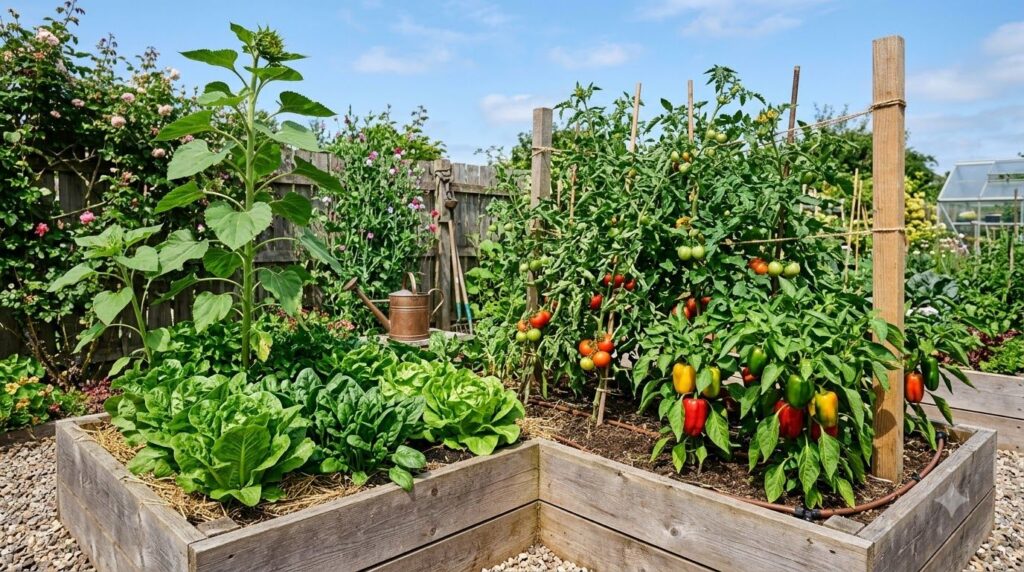
- Tomatoes: Require 6-8+ hours for optimal fruit production and flavor.
- Peppers: Both bell and hot peppers thrive in full sun, needing at least 6 hours.
- Cucumbers: Love the heat and sun, growing vigorously with 6-8 hours.
- Squash (Zucchini, Pumpkins): These prolific growers need ample sun and space.
- Eggplant: Similar to tomatoes and peppers, they perform best with lots of light.
- Corn: A tall, sun-hungry crop that needs full exposure.
When planting these, ensure they have good air circulation to prevent fungal diseases, which can sometimes be exacerbated by intense sun combined with humidity.
Happy in the Half-Light: Vegetables for Partial Sun/Shade
Not all vegetables need scorching sun all day long. Some prefer a bit of a reprieve, especially during the hottest parts of the afternoon. These partial sun/shade areas are perfect for extending your growing season or utilizing spots with less direct light.
Great Choices for Partial Sun/Shade:
- Leafy Greens (Lettuce, Spinach, Kale): These can bolt (go to seed) quickly in intense summer sun. Partial shade helps keep them cool and prevents bitterness.
- Radishes: Grow quickly and prefer cooler conditions, doing well with morning sun and afternoon shade.
- Carrots & Beets: While they appreciate some sun for root development, they can tolerate and sometimes prefer partial shade, especially in warmer climates, to prevent scorching and bolting.
- Swiss Chard: A versatile leafy green that handles more sun than lettuce but also appreciates some afternoon protection.
- Bush Beans: Can often tolerate partial shade, particularly in hot regions, though yields might be slightly reduced compared to full sun.
Adapting Your Garden to Light Conditions
What if your garden doesn’t have perfect full sun spots for everything you want to grow? Don’t worry! There are always creative solutions:
- Observe Your Garden: Spend a day noting how much sun each area gets. This ‘sun map’ is invaluable.
- Utilize Containers: Move container plants to follow the sun or to provide shade during peak heat.
- Strategic Planting: Use taller, sun-loving plants (like corn or sunflowers) to create natural afternoon shade for more sensitive plants.
- Raised Beds: These can be positioned to maximize sun exposure or provide drainage in shadier, damper areas.
- Reflective Mulch: For areas that need a little more light, light-colored mulches can reflect sunlight back onto plants.
Happy Gardening!
By simply paying attention to your garden’s light conditions and choosing the right plants for the right spots, you’ll be amazed at the difference it makes. Healthy, thriving plants are happier plants, and they will reward you with an abundance of fresh, delicious produce. So go ahead, unlock your garden’s true potential, one ray of sunshine at a time!
Happy gardening!