November is often seen as the time to tidy up the garden and get ready for winter, but it can also be a valuable window for planting. Cooler air and softer soil create good conditions for many hardy vegetables, herbs, and flowers that will settle in before the cold and be ready to grow when spring arrives.
Why November Is a Smart Time to Plant
Many plants prefer cool weather to establish strong roots. When the soil is still workable and temperatures drop gradually, young roots can grow without the stress of summer heat. Planting in late autumn also gives you a head start, so your garden is ready to wake up quickly when the days lengthen.
The exact timing depends on your climate zone, local frost dates, and whether you garden indoors, in a greenhouse, or outdoors. Check your regional planting calendar before you begin, and protect tender plants on cold nights.
Vegetables to Plant in November
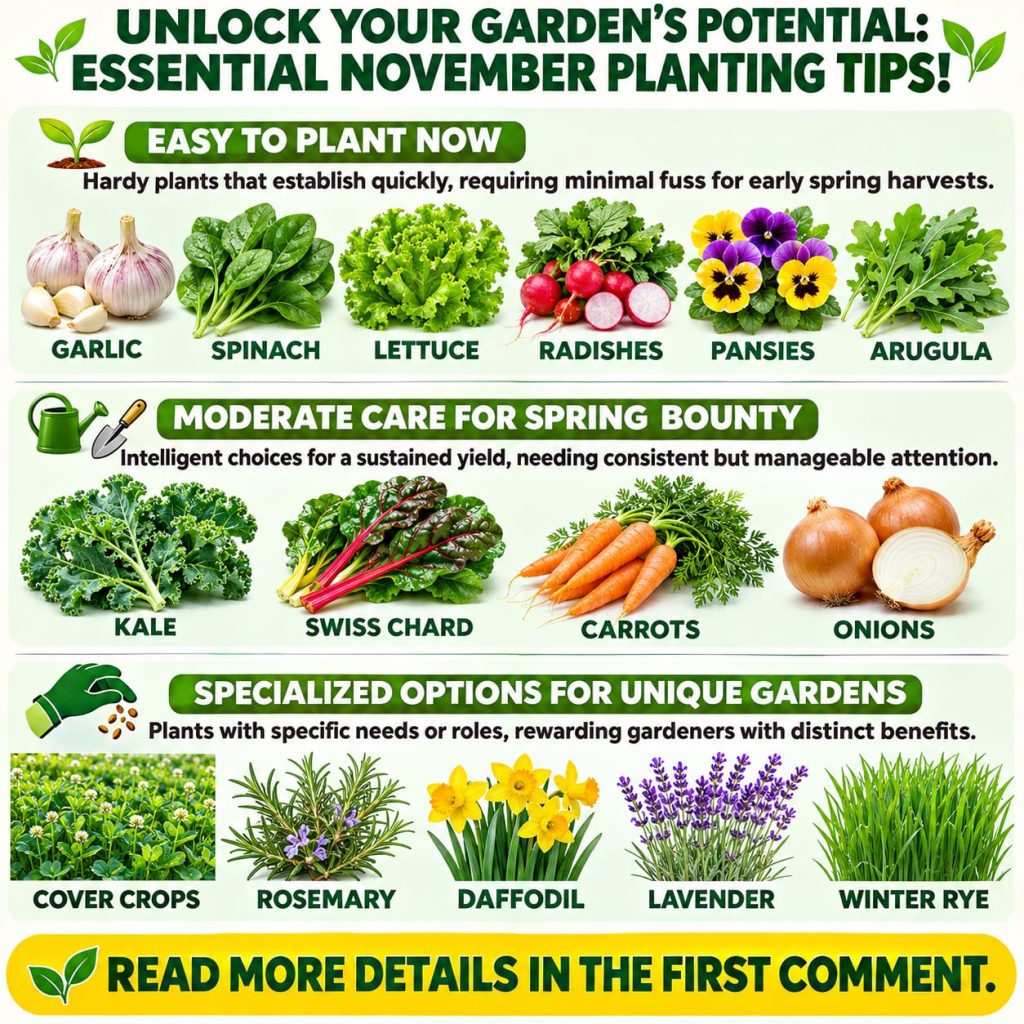
- Garlic: Planting cloves in autumn gives them time to develop roots before winter, which often leads to larger bulbs the following summer.
- Spinach: Hardy varieties can grow slowly through mild winter weather and produce tender leaves early in spring.
- Kale: Many kale types tolerate cold well, and their flavor can even improve after light frosts.
- Broad beans: In mild regions, these can be sown in late autumn for an earlier harvest.
Herbs That Thrive in Cool Weather
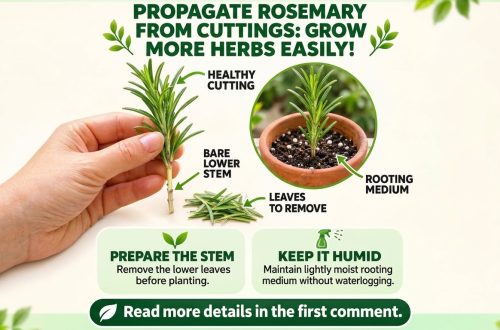
Some herbs keep growing through the cooler months, especially when they are grown in a sheltered spot or a bright windowsill. Parsley, chives, and thyme are good choices for beginners. Mint is also hardy, though it spreads quickly, so container planting is a practical option.
Flowers to Plant for Spring Color
Autumn is the best time to plant spring-flowering bulbs such as tulips, daffodils, and crocuses. The bulbs spend winter underground and then reward you with color when the weather warms. Pansies and violas are also cheerful options that can bloom through cool weather and brighten up a bare bed.
A Simple DIY Idea: Onion Peel for Flower Beds
Onion peels are a common kitchen scrap, and many gardeners like to reuse them. A basic approach is to let the peels dry completely, then crumble them and mix a small amount into the top layer of soil around flowering plants. Some gardeners also soak dried peels in water for a few days to make a mild liquid feed, then use it sparingly.
It is important to keep expectations realistic. Onion peels contain small amounts of minerals and organic matter, but they are not a complete fertilizer and will not replace a balanced feeding plan. Use them as a gentle addition to good soil care, avoid piling them thickly around stems, and always watch how your plants respond.
Essential Care Tips for Your November Garden
- Improve the soil: Add compost or well-rotted organic matter to give plants nutrients and better drainage.
- Mulch: A light layer of straw, leaves, or bark can help protect roots and reduce moisture loss.
- Water wisely: Newly planted crops still need water, but avoid soggy soil, which can cause root rot.
- Protect from frost: Use fleece covers or cloches on especially cold nights.
- Keep notes: Record planting dates and results so you can plan even better next season.
Plan Ahead for a Greener Spring
Planting in November is a rewarding way to stay connected to your garden during the quieter months. With a few hardy vegetables, cool-weather herbs, and spring bulbs, you can build a garden that feels full of promise long before the first warm days arrive. Start small, observe what grows well in your area, and enjoy the steady process of learning and growing.