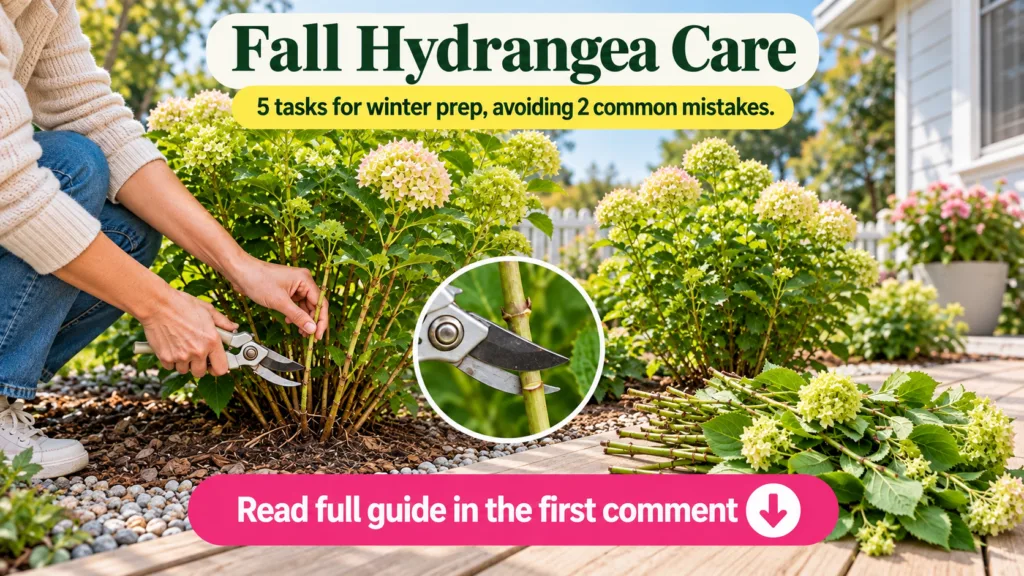
As the vibrant colors of summer begin to fade and a crisp chill fills the air, many gardeners wonder how to best prepare their beloved hydrangeas for the colder months ahead. The promise of those magnificent spring and summer blooms hinges on the care we provide now. While some might think a drastic fall trim is in order, the truth is, hydrangeas often thrive with a more gentle, intentional approach to winter preparation. A little proactive care now ensures your plants remain healthy, resilient, and ready to burst forth with spectacular flowers when spring returns.
Preparing your hydrangeas for winter isn’t about heavy-handed action; it’s about thoughtful protection and understanding their unique needs. This guide will walk you through five crucial tasks for successful winter prep and help you avoid two common mistakes that could cost you next year’s stunning display. Get ready to give your hydrangeas the attentive care they deserve, setting the stage for an abundance of gorgeous blooms.
The Golden Rule: Understanding Hydrangea Blooming Habits
Before you even pick up your pruning shears, it’s vital to understand your hydrangea’s specific blooming habit. This knowledge is the key to successful fall care and guarantees you don’t accidentally prune away next year’s flowers. There are generally two main types of hydrangeas based on how they bloom:
-
Old Wood Bloomers (e.g., Bigleaf Hydrangeas – Hydrangea macrophylla, Oakleaf Hydrangeas – Hydrangea quercifolia):
These varieties form their flower buds on the previous year’s growth (old wood). Pruning them heavily in the fall or winter means you’re cutting off the very stems that would produce blooms in the spring and summer. For these, minimal pruning is best in the fall.
-
New Wood Bloomers (e.g., Panicle Hydrangeas – Hydrangea paniculata, Smooth Hydrangeas – Hydrangea arborescens):
These hydrangeas produce flowers on the current season’s growth (new wood). This makes them much more forgiving when it comes to fall or winter pruning, as you won’t sacrifice future blooms. However, even for these, drastic fall pruning can sometimes reduce overall plant vigor.
If you’re unsure what type of hydrangea you have, err on the side of caution and postpone significant pruning until late winter or early spring, after the threat of severe frost has passed, or focus only on removing dead or damaged wood.
Five Crucial Tasks for Successful Winter Hydrangea Prep
With an understanding of your hydrangea’s blooming habits, let’s dive into the proactive steps you can take to ensure they thrive through winter and burst forth with stunning blooms in spring.
1. Deep Watering Before Winter’s Freeze
As fall progresses and temperatures drop, it’s easy to forget about watering. However, thoroughly hydrating your hydrangeas before the ground freezes is critical. Well-watered plants are more resilient to winter’s drying winds and cold temperatures. Provide a deep, slow watering once a week until the ground shows signs of freezing. This helps prevent desiccation, where plants lose moisture faster than their roots can absorb it from frozen soil.
2. Apply a Protective Layer of Mulch
Mulch is your hydrangea’s best friend for winter protection. Once the top layer of soil has started to cool (but before a hard freeze), apply a generous layer (4-6 inches) of organic mulch around the base of your plants. Materials like shredded leaves, pine needles, or wood chips work perfectly. This mulch layer insulates the soil, helping to maintain a more consistent temperature, protecting the roots from extreme cold, and preventing the damaging freeze-thaw cycles that can heave plants out of the ground.
3. Light Pruning: Only What’s Necessary
For most hydrangeas, especially old wood bloomers, fall pruning should be minimal. Focus on:
- Removing Dead or Damaged Stems: Cut these back to the ground or to healthy wood.
- Tidying Up Spent Blooms: If you wish, you can snip off faded flower heads. For some varieties, leaving the spent blooms on provides extra winter interest and a bit of protection for the dormant buds below. If you do prune them, cut just below the flower head, taking care not to remove any healthy stems.
Avoid any heavy shaping or cutting back live stems significantly. Remember, for old wood bloomers, those stems are carrying next year’s potential blooms!
4. Provide Wind and Cold Protection (Especially for Young Plants)
In colder climates (Zones 5 and below) or for newly planted hydrangeas, extra winter protection can make a big difference. Consider wrapping smaller plants with burlap or creating a cage around them filled with straw or leaves. This creates an insulating barrier against harsh winds and extreme cold. Ensure air circulation to prevent fungal issues.
5. Soil Health Check and Amendments (Optional but Beneficial)
While not strictly a winter prep task, fall is an excellent time to assess and amend your soil. A soil test can reveal nutrient deficiencies or pH imbalances. Adjusting soil pH in fall allows time for the amendments (like elemental sulfur to lower pH for bluer blooms or lime to raise pH for pinker blooms) to work their magic before spring growth. Healthy soil leads to healthy, resilient plants.
Two Common Mistakes to Avoid
Even with the best intentions, gardeners sometimes make mistakes that can impact their hydrangea’s performance. Here are two to steer clear of:
Mistake 1: Over-Pruning in the Fall
As discussed, this is the most common and damaging mistake, especially for old wood blooming hydrangeas. Cutting back too much in the fall removes the flower buds that have already formed for next season. The result? A beautiful, healthy plant with very few, if any, flowers come spring. When in doubt, it’s always safer to prune less in the fall.
Mistake 2: Not Protecting Against Early Frosts
While hydrangeas are generally hardy, tender new growth or late-season blooms can be damaged by unexpected early frosts. A sudden, sharp drop in temperature can harm the tips of stems where some bud development might still be occurring. If an early frost is predicted and your plants are still actively growing, consider covering them with a light sheet or burlap for the night to offer temporary protection.
Embrace the Beauty of Fall Preparation
Fall hydrangea care isn’t just about preparing for winter; it’s about investing in the future beauty of your garden. By following these gentle yet effective steps, you’ll ensure your hydrangeas survive the cold months robustly and are primed to deliver a spectacular show of blooms when spring finally arrives. Your thoughtful effort now will be richly rewarded with a garden full of magnificent, healthy hydrangeas. Happy gardening!