Chia seeds are tiny powerhouses packed with omega-3 fatty acids, fiber, protein, and essential minerals like calcium and magnesium. They’re a favorite among health-conscious individuals for good reason! However, simply sprinkling them dry onto your food might mean you’re missing out on their full potential. The way you prepare chia seeds profoundly impacts how your body processes them, with soaking being a simple yet effective step to unlock maximum nutritional benefits and ease digestion.
The Nutritional Power of Chia Seeds
Before diving into preparation methods, let’s briefly recap why chia seeds are considered a superfood. They are an excellent source of dietary fiber, which is crucial for digestive health and can help regulate blood sugar levels. Furthermore, they are one of the best plant-based sources of alpha-linolenic acid (ALA), a type of omega-3 fatty acid vital for heart and brain health. Add to that their significant protein content and a spectrum of micronutrients, and it’s clear why they deserve a spot in your diet.
Soaked vs. Dry: The Key Differences
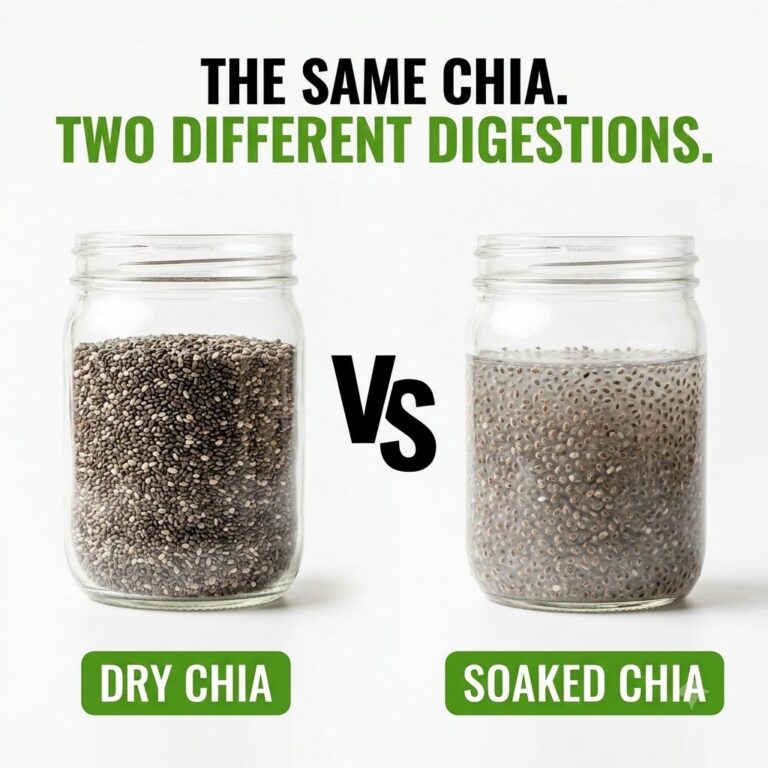
While dry chia seeds offer convenience, soaking them transforms their physical structure and, in turn, their interaction with your digestive system. When chia seeds come into contact with liquid, they absorb up to 10-12 times their weight in water, forming a gelatinous coating known as mucilage. This gel-like substance is key to many of the benefits of soaking.
- Dry Chia Seeds: When consumed dry, chia seeds can absorb water from your digestive tract, potentially leading to mild discomfort or, in rare cases, blockages if not consumed with sufficient liquids. Their nutrients are also more tightly bound, making them harder for the body to access and absorb efficiently.
- Soaked Chia Seeds: The gel formed around soaked chia seeds is not only easier on your digestive system but also facilitates the release of nutrients. The soaking process effectively kickstarts the breakdown of some compounds that can hinder nutrient absorption.
How Soaking Boosts Nutrient Absorption
The primary advantage of soaking chia seeds lies in improved nutrient bioavailability. Here’s how:
Breaking Down Enzyme Inhibitors
Like many seeds, chia seeds contain natural enzyme inhibitors. These compounds act as a protective mechanism for the seed, preventing premature germination. While beneficial for the seed, they can interfere with digestive enzymes in humans, making it harder for our bodies to extract nutrients. Soaking helps to neutralize these inhibitors, allowing for more efficient digestion and nutrient uptake.
Reducing Phytic Acid
Phytic acid, also found in seeds, nuts, and grains, is another compound that can bind to minerals like iron, zinc, and calcium, forming indigestible complexes. This reduces the absorption of these vital minerals. Soaking chia seeds helps to reduce their phytic acid content, thereby enhancing the bioavailability of their impressive mineral profile.
Enhanced Digestive Enzyme Activity
The hydration process itself can make the nutrients within the chia seeds more accessible to your body’s digestive enzymes. The seeds soften, and their cell walls become more permeable, allowing enzymes to work more effectively and release vitamins, minerals, omega-3s, and protein.
The Digestive Comfort Factor
Beyond nutrient absorption, soaking chia seeds significantly enhances digestive comfort. The mucilaginous gel acts as a prebiotic, feeding beneficial gut bacteria and promoting a healthy gut microbiome. This gel also helps to create a smooth, easy passage through the digestive tract, preventing issues like constipation or irritation that dry seeds might sometimes cause.
Practical Tips for Soaking Chia Seeds
Incorporating soaked chia seeds into your diet is incredibly simple. Here’s a basic guide:
- Ratio: A good starting point is 1 part chia seeds to 4 parts liquid. For example, 1/4 cup chia seeds to 1 cup water, almond milk, or your preferred liquid.
- Soaking Time: Stir well and let them sit for at least 15-30 minutes, or even better, overnight in the refrigerator. They will develop a tapioca-like texture.
- Storage: Once soaked, chia seeds can be stored in an airtight container in the refrigerator for up to 5-7 days.
Ways to Enjoy Soaked Chia Seeds:
- Chia Pudding: A classic breakfast or snack. Mix with milk, sweetener, and fruit.
- Smoothies: Add pre-soaked chia seeds to thicken your smoothies and boost their nutritional value.
- Oatmeal & Yogurt Topping: Stir into your morning oatmeal or yogurt for added texture and nutrients.
- Baked Goods: Use them as an egg substitute in vegan baking (1 tbsp chia + 3 tbsp water = 1 egg).
By making the small adjustment of soaking your chia seeds, you’re not just preparing a meal; you’re optimizing your nutrition and supporting your digestive health. It’s a simple step that yields significant benefits, ensuring you get the most out of every tiny, powerful seed.
