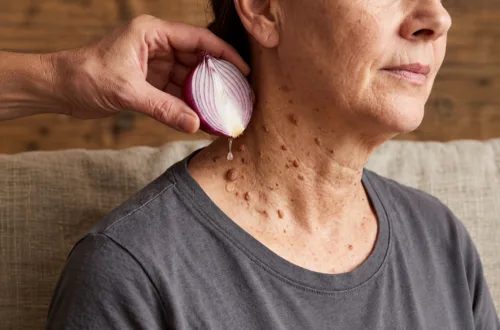
Have you ever found yourself wondering if the remedies passed down through generations, often found right in your kitchen, hold secrets to common skin concerns like warts? It’s a question many of us ponder, especially when seeking natural, gentle approaches to wellness.
Today, we’re diving into an intriguing, age-old practice: using a simple onion mixture for wart care. While it might sound surprising, this humble kitchen staple has a long history in traditional folk remedies for various skin issues. Join us as we explore the wisdom behind this natural approach and how you might incorporate it into your own wellness journey.
Why This Matters: Exploring Natural Solutions for Warts
Warts are common, often harmless skin growths caused by the human papillomavirus (HPV). While they typically resolve on their own, this can take months or even years, and many people seek ways to speed up the process or manage them more comfortably. The desire for natural, accessible solutions, especially those avoiding harsh chemicals or invasive procedures, has led many to explore time-honored home remedies.
The appeal of using common ingredients like onions lies in their simplicity and the empowering feeling of taking a proactive role in your own health using what nature provides. This topic resonates with those who prefer a holistic approach, always looking for gentle yet potentially effective ways to support their body’s natural healing processes.
The Power of Onions: Traditional Use and Natural Compounds
For centuries, onions have been revered not just as a culinary delight but also for their purported medicinal properties. In traditional medicine systems worldwide, onions have been applied topically to address various skin complaints, from minor cuts and insect bites to blemishes and, yes, even warts.
What Makes Onions a Traditional Remedy?
While modern science is still exploring the full extent of onion’s topical effects on warts, traditional use often points to several key characteristics:
- Antimicrobial Properties: Onions contain sulfur compounds, such as allicin, which are known for their antimicrobial, antibacterial, and potentially antiviral properties. While not a direct cure, these properties may help create an environment less hospitable for certain pathogens.
- Anti-inflammatory Compounds: Quercetin, a powerful antioxidant found in onions, has anti-inflammatory effects. While warts are not primarily inflammatory, supporting overall skin health can be beneficial.
- Exfoliating Action: The acidity and enzymatic content in onions might offer a gentle exfoliating effect, which some believe could aid in the natural shedding process of wart tissue over time.
It’s important to remember that the application of onion for warts is largely based on anecdotal evidence and traditional practices. Always distinguish between these long-standing beliefs and scientifically proven medical treatments.
Your Practical Guide: Preparing and Using the Onion Mix
If you’re curious to try this traditional approach, here’s a simple, step-by-step guide to preparing and applying an onion mixture for wart care at home. Remember, consistency is key, and patience is a virtue when working with natural remedies.
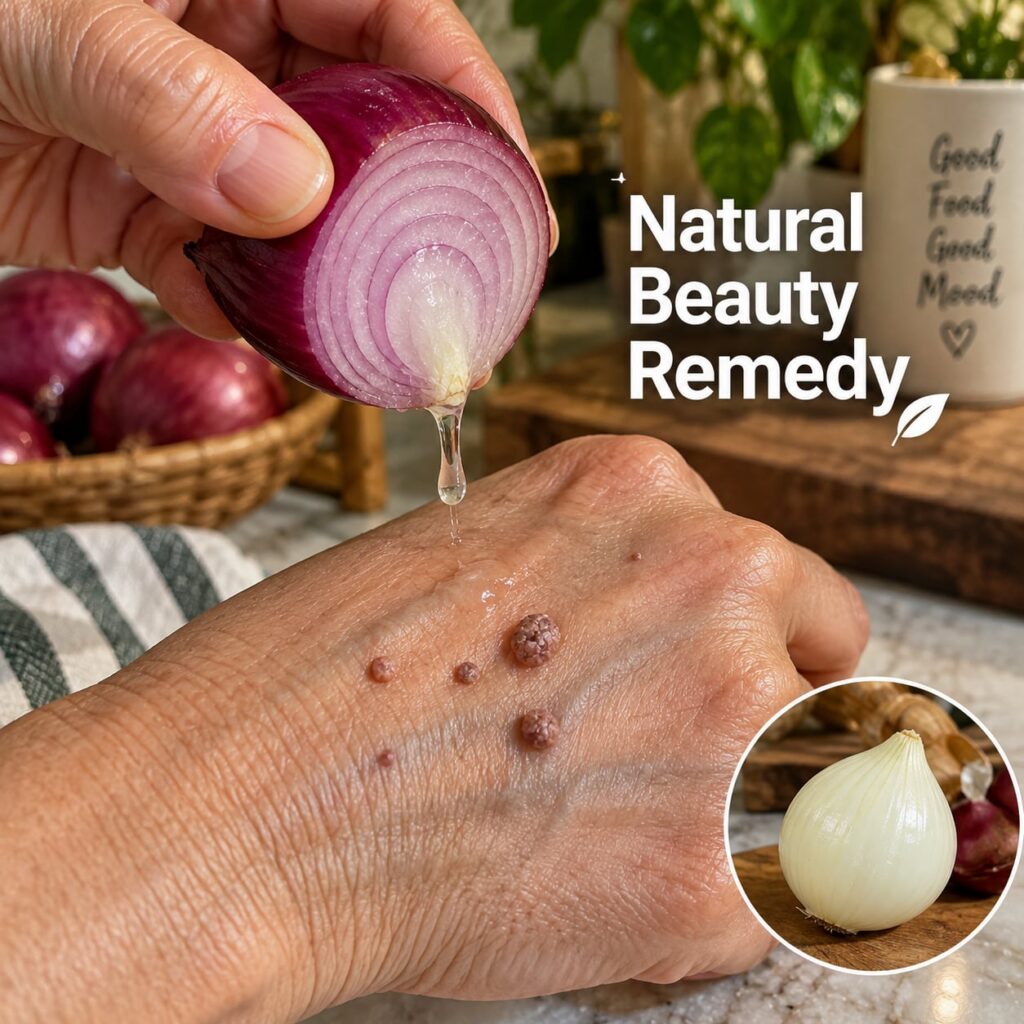
Ingredients You’ll Need:
- 1 small onion (white or yellow)
- A pinch of natural sea salt (optional, as salt is traditionally believed to enhance drawing properties)
- Cotton ball or small piece of clean cloth
- Medical tape or bandage
Simple Steps to Prepare and Apply:
- Chop or Grate the Onion: Peel one small onion and finely chop or grate it into a small, non-metallic bowl. The goal is to create a pulpy consistency.
- Add Salt (Optional): If using, mix in a small pinch of sea salt. This is traditionally thought to help draw out impurities, though it’s optional.
- Prepare the Wart Area: Gently clean the wart and the surrounding skin with mild soap and water. Pat dry thoroughly.
- Apply the Mixture: Take a small amount of the onion mixture and apply it directly onto the wart. Try to keep it confined to the wart itself, avoiding prolonged contact with surrounding healthy skin if you have sensitive skin.
- Cover and Secure: Place a cotton ball or a small piece of clean cloth over the onion mixture. Secure it firmly with medical tape or a bandage to keep it in place overnight.
- Repeat Regularly: Remove the bandage and rinse the area in the morning. Repeat this process every night for several weeks. Consistency is important for any traditional remedy.
Beginner Tips for Best Results:
- Patch Test: Before applying the mixture to a wart, do a small patch test on a discreet area of your skin to check for any irritation or sensitivity.
- Be Patient: Natural remedies often take time. Don’t expect immediate results. Continue the application consistently for several weeks.
- Observe Your Skin: Pay attention to how your skin reacts. If you experience excessive redness, itching, or discomfort, discontinue use.
Safety & Precautions: Important Considerations
While generally considered safe for topical use, it’s crucial to approach any home remedy with caution and awareness. Here are some important safety considerations:
- Skin Irritation: Onions can be irritating to sensitive skin, especially when applied for extended periods. If you notice redness, itching, or burning, remove the mixture immediately and rinse the area with cool water.
- Open Wounds or Broken Skin: Never apply the onion mixture to open wounds, cuts, or skin that is already irritated or broken, as this can cause discomfort and potential infection.
- Allergies: If you have a known allergy to onions or other allium vegetables (like garlic, chives), avoid using this remedy.
- Pregnancy and Existing Medical Conditions: If you are pregnant, nursing, have a compromised immune system, diabetes, or any other underlying medical condition, consult your healthcare professional before trying any new home remedy.
- Not a Substitute for Medical Advice: This traditional remedy is not intended to replace professional medical advice or treatment. If warts are persistent, painful, spreading, or if you are unsure about a skin growth, always consult a dermatologist or doctor for an accurate diagnosis and appropriate treatment plan.
Key Takeaways for Natural Wart Care
- Onion mixture is a traditional home remedy for warts, valued for its natural compounds.
- Onions contain sulfur compounds and antioxidants that traditionally may support skin health.
- Prepare by finely chopping onion, optionally adding salt, and applying directly to the wart.
- Cover the application with a bandage and leave overnight, repeating for several weeks.
- Always perform a patch test and discontinue use if irritation occurs.
- This method is based on traditional use and is not a substitute for professional medical advice.
FAQ: Your Questions About Onion Wart Remedies Answered
Does onion really remove warts?
The use of onion for wart removal is primarily a traditional folk remedy. While onions contain compounds with potential antimicrobial properties, there isn’t extensive scientific evidence specifically proving their effectiveness in removing warts for everyone. Many believe it aids in the natural shedding process over time.
How long does it take for onion to work on warts?
As a natural remedy, results can vary significantly and may take several weeks or even months of consistent application. Patience is essential, and not all warts may respond to this method.
Can I use onion juice instead of a paste?
Yes, some traditional practices involve using onion juice. You can extract the juice by grating the onion and squeezing it through a cheesecloth. Apply the juice to the wart using a cotton swab and allow it to dry before covering.
Are there any side effects?
The main side effect is potential skin irritation, including redness, itching, or a burning sensation, especially on sensitive skin. Always do a patch test first and discontinue if irritation is severe.
When should I see a doctor for warts?
It’s always recommended to see a doctor or dermatologist if your wart is painful, bleeding, changing in appearance, spreading, or if you are unsure if a skin growth is a wart. They can provide an accurate diagnosis and discuss professional treatment options.
Related Reading: Continue Your Natural Wellness Journey
If you’re interested in more natural approaches to skin health and home remedies, explore these related topics:
- Boosting Skin Health Naturally: Foods and Habits for a Radiant Glow
- Herbal Allies for Minor Skin Irritations: A Guide to Soothing Remedies
- Immune-Boosting Foods: Strengthening Your Body’s Natural Defenses
- Anti-Inflammatory Kitchen Staples: Spice Up Your Wellness
- Digestive Wellness: The Root of Overall Health and Vitality