Are you looking to boost your calcium intake without relying on dairy products? Many people avoid dairy due to allergies, lactose intolerance, or dietary preferences like veganism. The good news is, you don’t have to miss out on this vital mineral. Our bodies need calcium for strong bones, healthy teeth, nerve function, and muscle contraction, and nature offers an abundance of plant-based sources.
This comprehensive guide dives into over 10 powerhouse plant foods that are packed with calcium and other essential nutrients. Whether you’re transitioning to a dairy-free diet or simply looking to diversify your calcium sources, you’ll discover delicious and easy ways to fortify your meals. Get ready to explore vibrant greens, versatile legumes, nutritious nuts, and more, all designed to help you build and maintain strong bones.
Why Choose Dairy-Free Calcium Sources?
For many, the decision to go dairy-free is driven by health concerns or ethical considerations. While dairy products are often promoted as the primary source of calcium, they can also come with drawbacks for some individuals. Lactose intolerance, dairy allergies, and concerns about saturated fat or hormones are common reasons people seek alternatives.
Fortunately, the plant kingdom offers a rich tapestry of foods that not only provide ample calcium but also come with additional health benefits like fiber, antioxidants, and various vitamins and minerals, all without the potential downsides of dairy for sensitive individuals.
Top Powerhouse Plant Foods for Boosting Calcium
Incorporating a variety of these foods into your diet can ensure you meet your daily calcium needs while enjoying delicious and diverse meals.
1. Leafy Green Vegetables
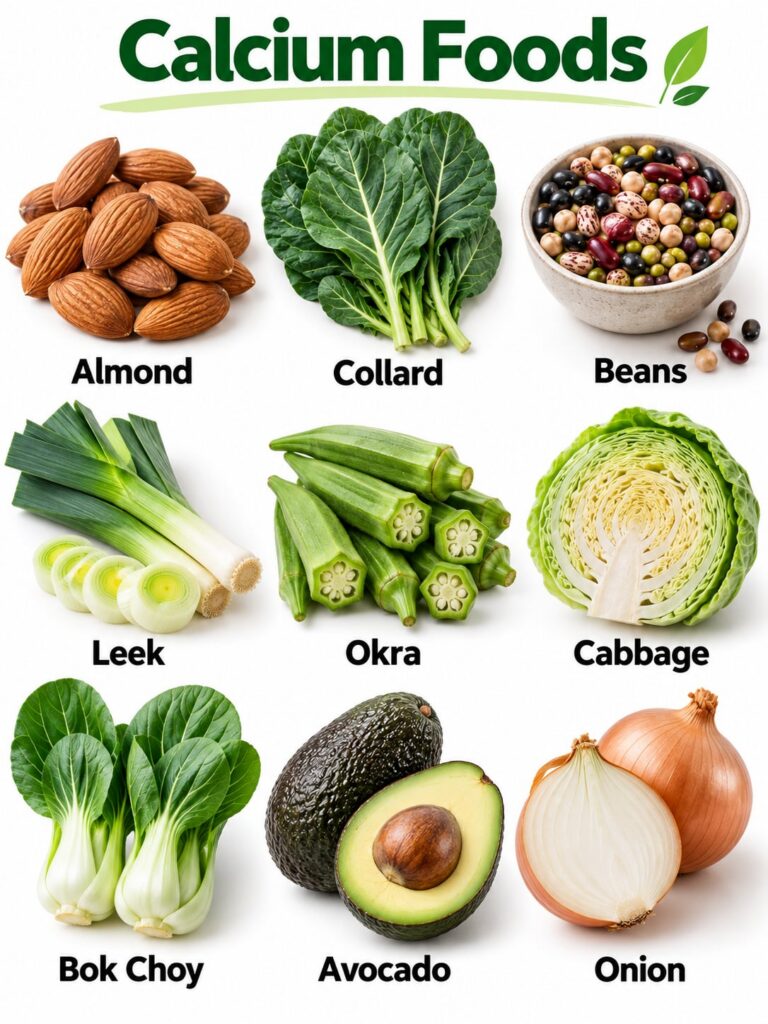
Don’t underestimate the power of greens! Many dark leafy greens are excellent sources of calcium, often with good bioavailability.
- Kale: One cup of cooked kale can provide around 100 mg of calcium. It’s also rich in vitamins A, C, and K. Enjoy it in smoothies, salads, or sautéed.
- Collard Greens: A cup of cooked collard greens offers an impressive 268 mg of calcium, along with vitamins A, C, and K. They are delicious steamed or braised.
- Bok Choy: This mild-flavored Chinese cabbage provides about 150 mg of calcium per cup when cooked. It’s great in stir-fries and soups.
- Spinach: While spinach contains calcium (around 245 mg per cup cooked), it also has oxalates that can inhibit calcium absorption. Pair it with vitamin C-rich foods to enhance absorption.
2. Fortified Plant Milks and Juices
Many plant-based beverages are fortified with calcium to match or even exceed the amount found in cow’s milk. Always check the label for fortification.
- Fortified Almond Milk: Often contains 300-450 mg of calcium per cup, similar to dairy milk.
- Fortified Soy Milk: A popular choice, typically offering around 300 mg of calcium per cup.
- Fortified Oat Milk: Provides around 350 mg of calcium per cup, plus beneficial fiber.
- Fortified Orange Juice: Some brands offer orange juice fortified with calcium, usually around 300 mg per cup.
3. Tofu and Tempeh (Calcium-Set)
These soy-based proteins are not only versatile but also fantastic calcium sources, especially when prepared with calcium sulfate.
- Calcium-Set Tofu: Half a cup can provide over 400 mg of calcium. Look for labels that mention ‘calcium sulfate’ or ‘calcium chloride’ in the ingredients.
- Tempeh: Made from fermented soybeans, tempeh offers around 100-150 mg of calcium per half-cup serving, along with probiotics.
4. Beans and Legumes
Many varieties of beans and legumes contribute to your daily calcium intake while also providing fiber and protein.
- White Beans: One cup of cooked white beans can deliver about 161 mg of calcium. Great in soups and stews.
- Black Beans: A cup of cooked black beans offers approximately 46 mg of calcium, alongside potent antioxidants.
- Edamame: A half-cup serving of shelled edamame contains around 98 mg of calcium.
5. Nuts and Seeds
Tiny but mighty, nuts and seeds are nutrient powerhouses, including a good dose of calcium.
- Chia Seeds: Two tablespoons of chia seeds contain about 179 mg of calcium. They’re perfect for puddings, smoothies, and overnight oats.
- Sesame Seeds (and Tahini): One tablespoon of sesame seeds provides around 88 mg of calcium. Tahini (sesame paste) is even more concentrated, with about 64 mg per tablespoon.
- Almonds: A quarter cup of almonds offers about 97 mg of calcium, plus healthy fats and vitamin E.
6. Figs (Dried)
Sweet and chewy, dried figs are a surprisingly good source of calcium. Five dried figs can provide approximately 65 mg of calcium.
7. Broccoli
This cruciferous vegetable is not only rich in vitamin C and K but also contributes calcium. One cup of cooked broccoli provides about 62 mg of calcium.
Tips for Maximizing Calcium Absorption
Getting enough calcium is one thing; ensuring your body can absorb and utilize it is another. Here are some tips:
- Vitamin D: Essential for calcium absorption. Get sunlight exposure or consider fortified foods and supplements if needed.
- Magnesium: Works hand-in-hand with calcium. Many plant-based calcium sources also contain magnesium.
- Divide Your Intake: Instead of consuming a large amount of calcium at once, spread your intake throughout the day for better absorption.
- Limit Oxalates and Phytates: Foods high in oxalates (like spinach, rhubarb) and phytates (found in grains and legumes) can inhibit calcium absorption. Soaking, sprouting, and cooking can reduce phytate levels.

Integrating Dairy-Free Calcium into Your Diet
Making plant-based calcium a staple in your diet is easier than you think. Here are some simple ideas:
- Breakfast Boost: Add chia seeds to oatmeal or smoothies. Use fortified plant milk in your cereal or coffee.
- Lunch & Dinner: Incorporate tofu into stir-fries, add white beans to soups, or enjoy a hearty salad with kale and almonds.
- Snack Smart: Grab a handful of almonds, dried figs, or a serving of edamame.
- Creative Cooking: Experiment with tahini in dressings or spreads. Sauté collard greens with garlic as a side dish.
Final Thoughts
Embracing dairy-free calcium sources opens up a world of delicious and nutritious possibilities. From leafy greens to fortified plant milks, and from versatile tofu to tiny power-packed seeds, you have an abundance of choices to support your bone health. By making conscious dietary choices and incorporating a variety of these powerhouse plant foods, you can confidently meet your body’s calcium needs and build strong bones for life. Remember to pair these calcium-rich foods with adequate vitamin D for optimal absorption.
Always consult with a healthcare professional or registered dietitian for personalized dietary advice, especially if you have specific health conditions or concerns.