Ensuring the food we eat is fresh and safe is fundamental to our well-being. But in our busy lives, it’s easy to overlook crucial steps that prevent spoilage and potential health risks. From how you store your everyday staples to recognizing the signs of food gone bad, simple food-safety tips can make a significant difference. This guide will walk you through essential practices for common ingredients, helping you keep your kitchen a hub of healthy, delicious, and safe meals.
Many of us are familiar with general food safety rules, but often specific foods require unique handling. Incorrect storage can not only compromise taste and texture but also lead to harmful bacterial growth. Let’s delve into seven vital tips that will empower you to manage your pantry and refrigerator like a pro, ensuring your ingredients remain safe and at their peak quality.
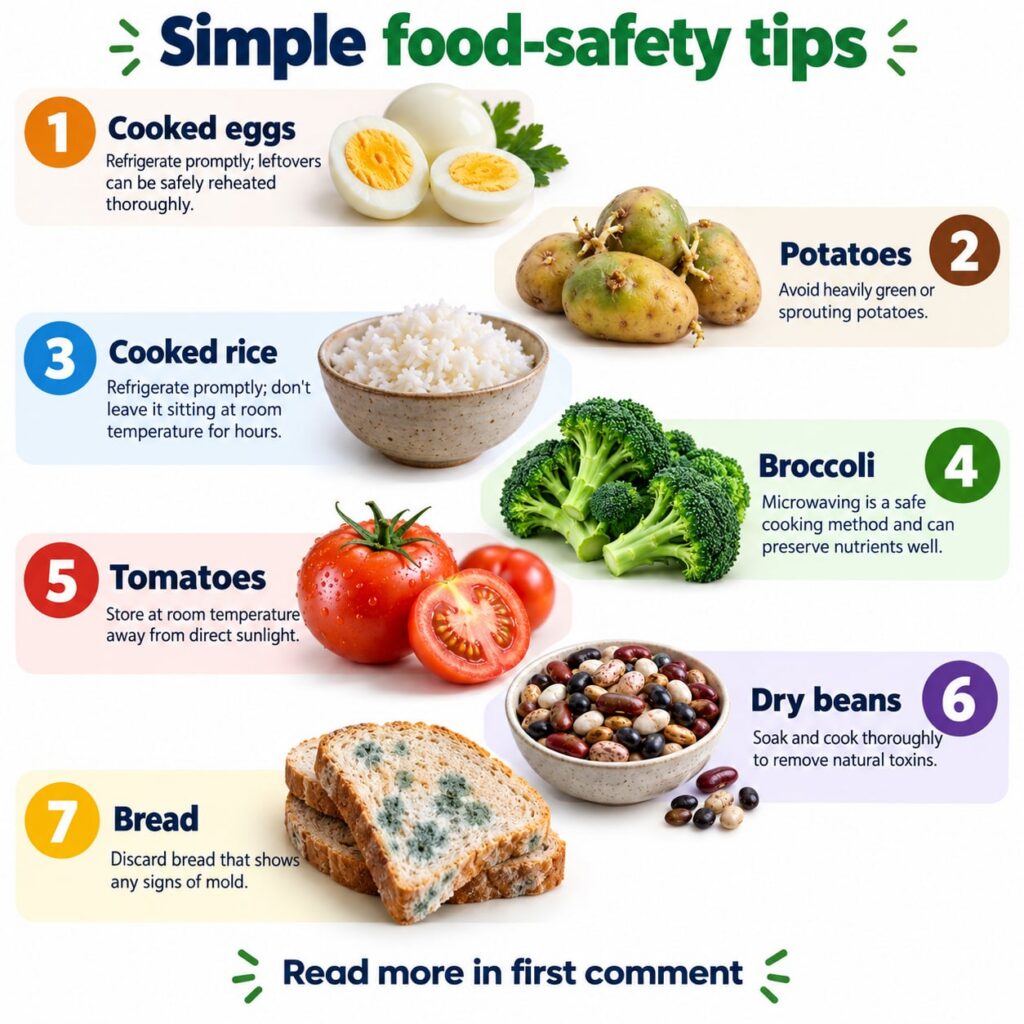 Master the basics of food safety to keep your meals fresh and delicious.
Your Guide to Storing Common Foods Safely (and Smartly!)
Understanding the best way to store each food item is key to preventing waste and protecting your health. Here are seven crucial tips for some of your most common kitchen ingredients.
1. Cooked Eggs: Keep Them Fresh in the Fridge
Whether hard-boiled for a quick snack or leftover from breakfast, cooked eggs need proper refrigeration to stay safe. They can be stored in the refrigerator for up to 3-4 days. This applies to both whole hard-boiled eggs and cooked egg dishes like quiches or frittatas.
- Why it matters: Once cooked, the natural protective coating (bloom) on an eggshell is washed away, making the egg more susceptible to bacterial contamination. Refrigeration significantly slows down bacterial growth.
- Best practice: Store cooked eggs in an airtight container or a covered bowl to prevent them from absorbing odors from other foods and to maintain their moisture. Ensure they cool down quickly before going into the fridge.
- Signs of spoilage: A sulfuric or rotten odor, slimy texture, or chalky appearance indicates that cooked eggs have gone bad and should be discarded.
2. Potatoes: The Cool, Dark Secret to Longevity
Unlike many other vegetables, potatoes thrive outside the refrigerator. They should be stored in a cool, dark, and well-ventilated place, such as a pantry or cellar. Storing them in the refrigerator can cause their starch to convert to sugar, leading to a gritty texture and sweet flavor when cooked.
- Beware of solanine: Sunlight exposure can cause potatoes to turn green, particularly under the skin. This green discoloration indicates the presence of solanine, a toxic compound that may cause nausea, vomiting, and headaches if consumed in large quantities. Always cut away any green parts before cooking.
- Ideal storage: A mesh bag or an open basket allows for air circulation, preventing moisture buildup and premature sprouting. Keep them away from onions, as gases emitted by onions can accelerate potato spoilage.
- When to discard: Discard potatoes that are soft, shriveled, heavily sprouted, or have significant green patches that cannot be easily cut away.
3. Cooked Rice: A Race Against Time (and Bacteria!)
Cooked rice can be a surprising culprit in food poisoning due to a bacterium called Bacillus cereus. This bacterium forms spores that can survive the cooking process. If cooked rice is left at room temperature, these spores can multiply and produce toxins, leading to food poisoning.
- The one-hour rule: It’s best to eat cooked rice within 1 hour after cooking. If you’re not consuming it immediately, refrigerate it as soon as possible.
- Rapid cooling: To minimize the risk, cool rice rapidly by spreading it thinly on a tray or plate. Once cooled, place it in an airtight container in the refrigerator and consume it within 1 day.
- Reheating: Reheat rice thoroughly until steaming hot. Do not reheat more than once.
4. Broccoli: Crunchier, Longer with the Right Chill
Fresh broccoli is a nutritional powerhouse, but it can wilt quickly if not stored correctly. To keep broccoli fresh, it’s essential to maintain its moisture without making it too wet. It can last for 3-5 days when stored properly in the refrigerator.
- Perforated bag method: Store broccoli in the refrigerator in a perforated plastic bag. The holes allow for some air circulation while still retaining humidity, preventing it from drying out or becoming too damp.
- Damp paper towel wrap: Alternatively, you can wrap the broccoli florets or whole head loosely in a damp paper towel before placing it in an open plastic bag in the crisper drawer. This method helps maintain optimal hydration.
- Signs of spoilage: Yellowing florets, soft or slimy spots, or a strong, unpleasant odor indicate that your broccoli is past its prime.
5. Tomatoes: Room Temp for Peak Flavor
Refrigerating ripe tomatoes is a common mistake that can significantly impact their flavor and texture. Store ripe tomatoes at room temperature, away from direct sunlight, to allow them to retain their natural juiciness and vibrant taste.
- Flavor preservation: Cold temperatures may break down the membranes inside the tomato, altering its texture and diminishing the aromatic compounds that give tomatoes their distinct flavor. They can become mealy and bland.
- Ripening process: If your tomatoes are still green, store them stem-side down at room temperature until they ripen, then consume them within a few days.
- When to refrigerate (briefly): If your tomatoes are perfectly ripe and you won’t use them immediately, you can refrigerate them for a day or two to extend their shelf life, but bring them back to room temperature before serving for the best flavor.
6. Dry Beans: Pantry Staples for Years to Come
Dry beans are an incredibly versatile and economical pantry staple. When stored correctly, they have an exceptionally long shelf life, making them perfect for long-term food storage. They can last for several years, though their quality (specifically cooking time) may decline over time.
- Airtight is key: Store dry beans in an airtight container to protect them from moisture, insects, and rodents. Glass jars, heavy-duty plastic containers, or Mylar bags are excellent choices.
- Cool, dry, dark: A cool, dry, and dark place like a pantry or cupboard is ideal. Heat and humidity can degrade their quality more quickly.
- Rehydration tips: Older beans may take longer to cook and absorb more water during the soaking and cooking process. Plan accordingly and check for tenderness as they cook.
7. Bread and Mold: When to Toss It All
Finding a small patch of mold on your bread can be frustrating, leading some to simply cut off the affected part. However, if bread has mold, it’s crucial to discard the entire loaf. This is one of the most important simple food-safety tips.
- Invisible roots: Mold isn’t just a surface issue. Its ‘roots’ (mycotoxins) can penetrate deep into porous foods like bread, often going unseen. These toxins may cause respiratory problems, allergic reactions, and potentially other illnesses.
- Prevention: To prevent mold, store bread at room temperature in a cool, dry place. If you won’t consume a loaf within a few days, consider freezing portions to extend its freshness without sacrificing safety.
- Exceptions: For hard, dense foods like hard cheese or firm fruits/vegetables, you may be able to cut away a large portion around the mold (at least an inch) because mold struggles to penetrate deeply into these items. However, for bread and other soft foods, always err on the side of caution.
Frequently Asked Questions About Food Storage
Addressing common queries can help solidify your understanding of these crucial simple food-safety tips.
Q: What happens if you eat moldy bread?
A: Eating moldy bread can lead to symptoms like nausea, vomiting, diarrhea, or other digestive issues, depending on the type and amount of mold consumed. Some molds produce harmful toxins (mycotoxins) that can have more serious health implications over time.
Q: How long can hard-boiled eggs really last?
A: Hard-boiled eggs can safely last for up to 3-4 days when stored in the refrigerator. Beyond this, their quality and safety rapidly decline, and they are prone to bacterial growth.
Q: Why shouldn’t I refrigerate potatoes?
A: Refrigerating potatoes causes their starches to convert into sugars more quickly, leading to a sweet taste and a gritty texture when cooked. It also can increase the risk of acrylamide formation when fried at high temperatures. Store them in a cool, dark, and well-ventilated pantry instead.
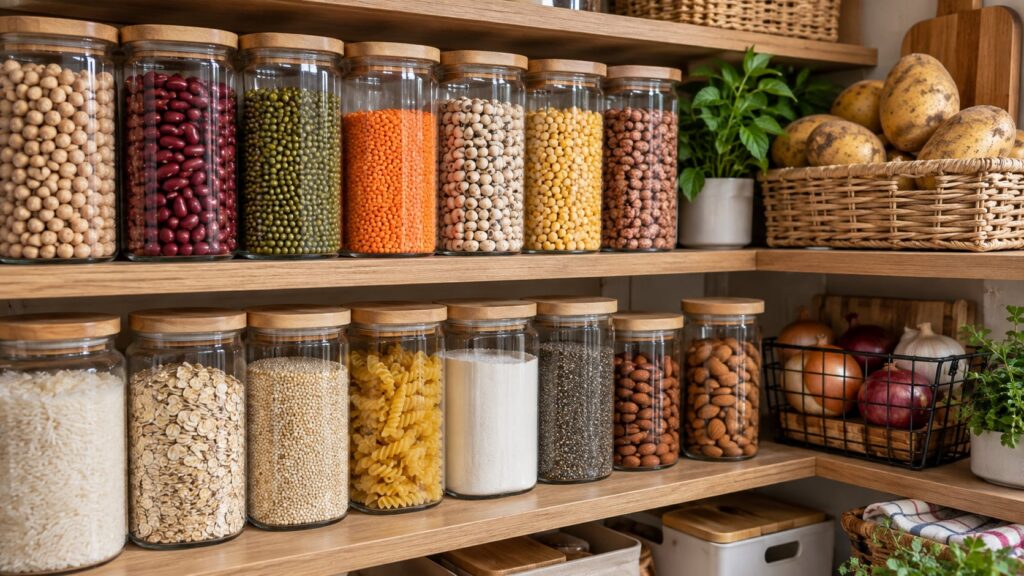 A well-organized pantry is your first line of defense against food spoilage.
Final Thoughts
Mastering these simple food-safety tips is an essential step towards a healthier, more sustainable lifestyle. By understanding the unique storage needs of different foods and recognizing the signs of spoilage, you can significantly reduce food waste, protect yourself and your family from foodborne illnesses, and enjoy your meals with greater peace of mind. Make these practices a habit in your kitchen, and you’ll be well on your way to smarter, safer food management.