Are you looking to add a little extra zest, nutrition, and uniqueness to your home garden? While familiar staples like tomatoes and lettuce are wonderful, there’s a whole world of lesser-known vegetables waiting to be discovered! Growing uncommon vegetables can transform your culinary experiences, introduce you to new flavors, and even make your garden more resilient. Plus, imagine the joy of sharing something truly special from your backyard with friends and family!
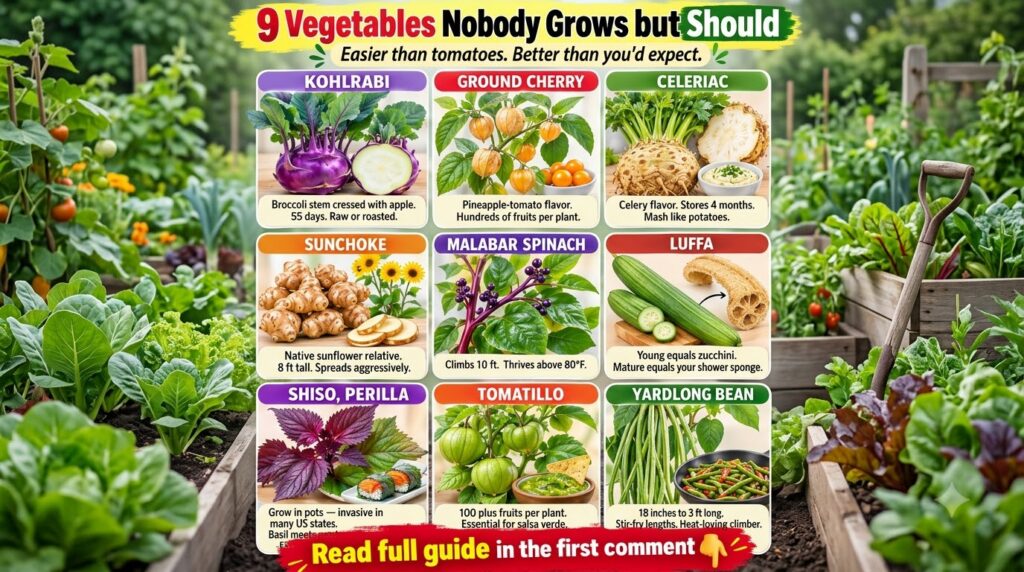
At Garden – L. Quyên, we believe gardening should always be an adventure. That’s why we’re diving into a list of 9 unique vegetables that you might not be growing yet, but definitely should consider for your next planting season. Get ready to expand your palate and your gardening horizons!
1. Oca (New Zealand Yam)
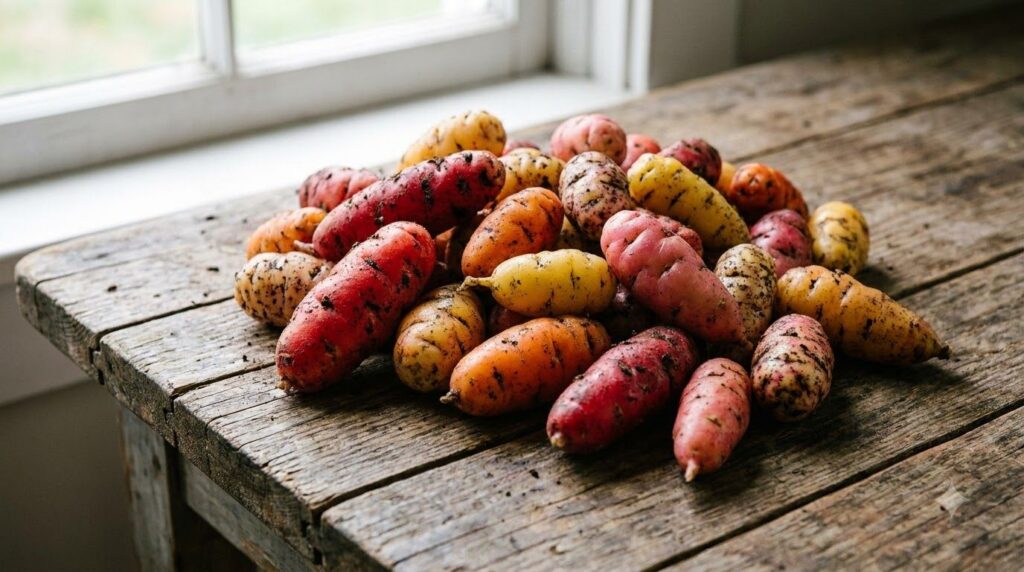
Oca, also known as New Zealand yam, is a vibrant and nutritious root vegetable with a slightly tangy flavor. Its tubers come in a stunning array of colors, from pink to purple, making them a beautiful addition to any dish. Oca is easy to grow, thriving in similar conditions to potatoes, and it’s particularly resilient. You can boil, roast, or even eat them raw in salads for a refreshing crunch. They’re a fantastic source of vitamins and minerals, perfect for adding a tropical twist to your harvest!
2. Kohlrabi
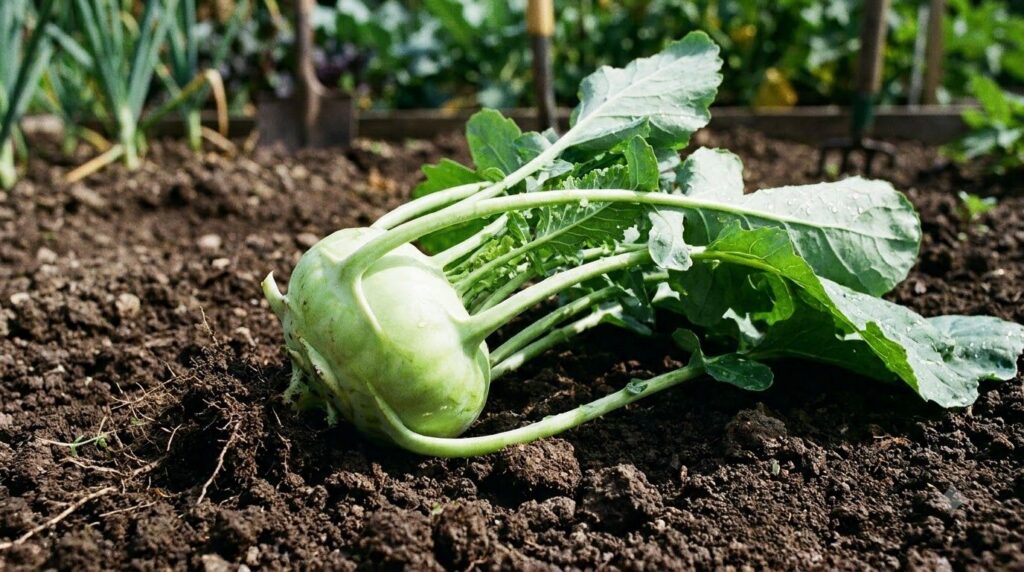
Kohlrabi might look like a spaceship, but don’t let its unusual appearance fool you! This cruciferous vegetable, a relative of cabbage and broccoli, offers a sweet, mild, and slightly peppery taste, often described as a cross between a radish and an apple. Both the bulb and the leaves are edible. You can enjoy kohlrabi raw in salads, slaws, or as a crunchy snack, or cook it by steaming, roasting, or stir-frying. It’s incredibly versatile and packed with Vitamin C and fiber.
3. Romanesco Broccoli
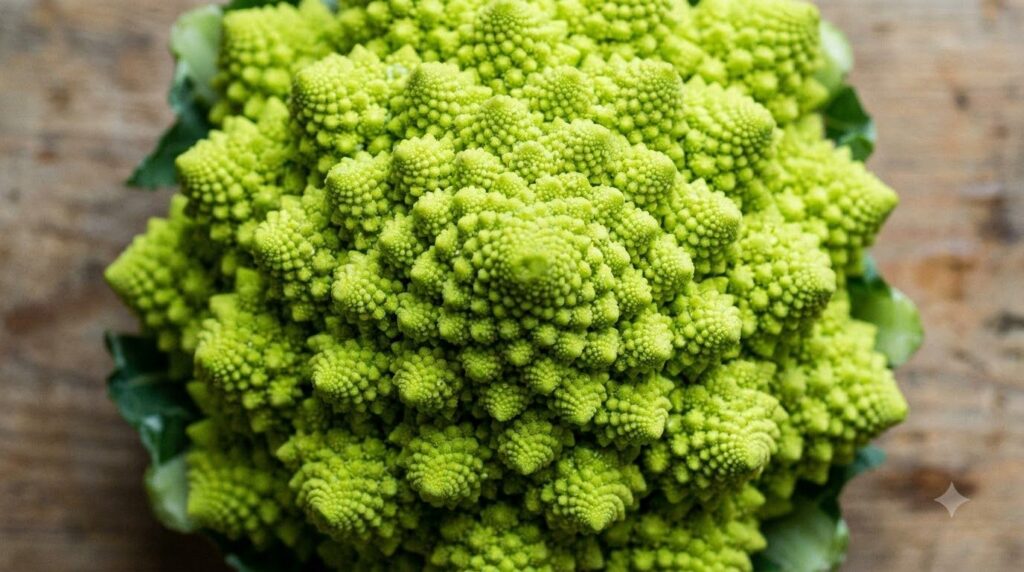
If you’re looking for a vegetable that’s as beautiful as it is delicious, Romanesco broccoli is your pick. With its stunning fractal pattern and lime-green florets, it looks like it belongs in an art gallery! Its flavor is milder and nuttier than regular broccoli, with a slightly firmer texture. It’s excellent steamed, roasted, or lightly sautéed, making a fantastic side dish or a striking addition to pasta. Growing Romanesco adds an architectural marvel to your garden and a gourmet touch to your meals.
4. Celeriac (Celery Root)
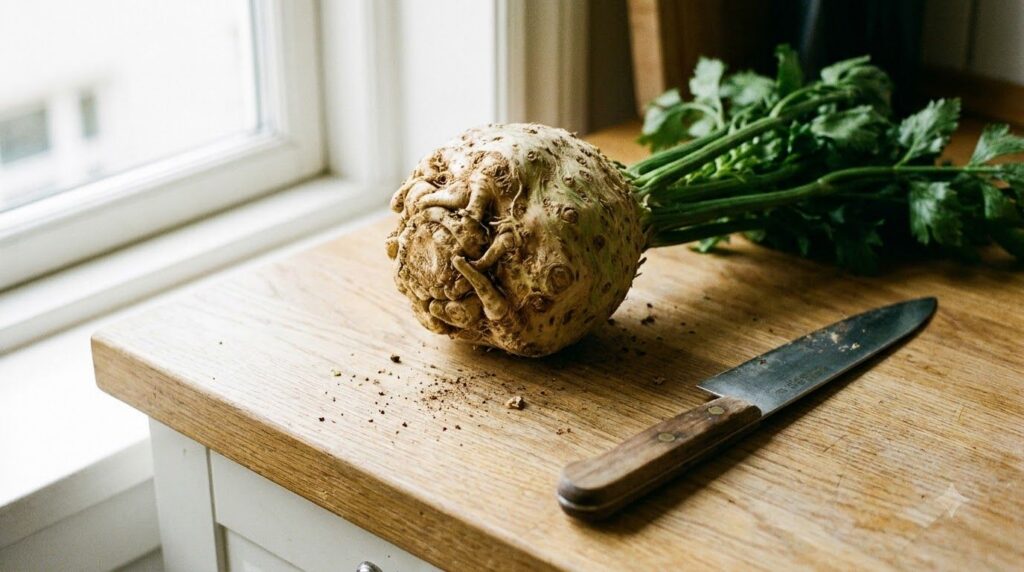
Don’t confuse celeriac with celery stalks – this root vegetable is a powerhouse of flavor! Celeriac, or celery root, has a knobby, earthy appearance but a surprisingly delicate, nutty, and slightly sweet flavor with hints of celery and parsley. It’s incredibly versatile in the kitchen, wonderful in soups, stews, roasted alongside other root vegetables, or even pureed into a creamy mash. It’s a low-carb alternative to potatoes and a great source of Vitamin K and phosphorus.
5. Ground Cherries
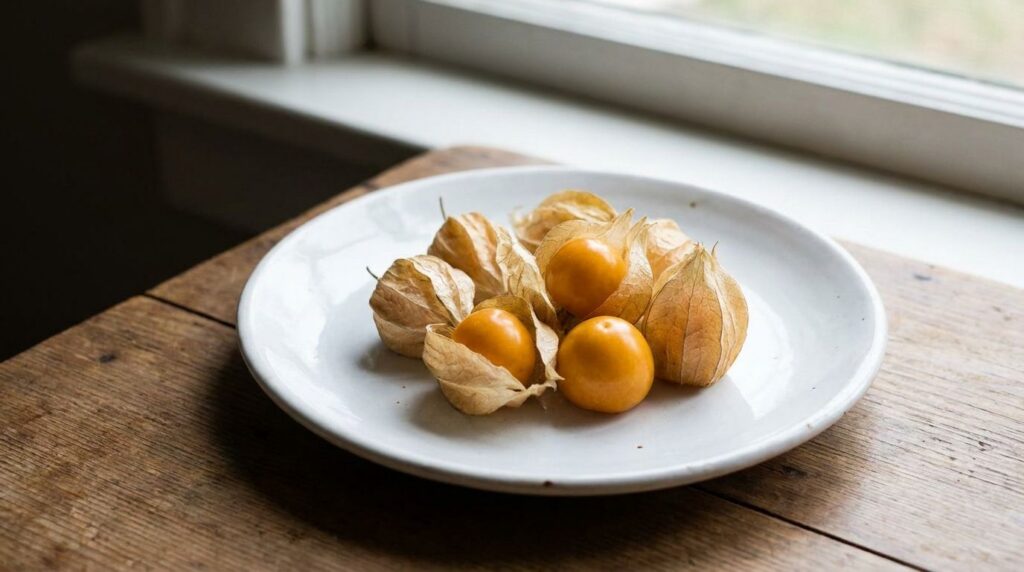
Often overlooked, ground cherries are a delightful and easy-to-grow fruit (botanically, they are fruit, but often used like vegetables). Encased in a papery husk, much like a tomatillo, these small golden berries burst with a sweet, tropical flavor reminiscent of pineapple, mango, and vanilla. They’re perfect for eating fresh, adding to fruit salads, making jams, pies, or even savory salsas. Ground cherries are self-seeding and quite prolific, making them a rewarding addition to any garden.
6. Yardlong Beans
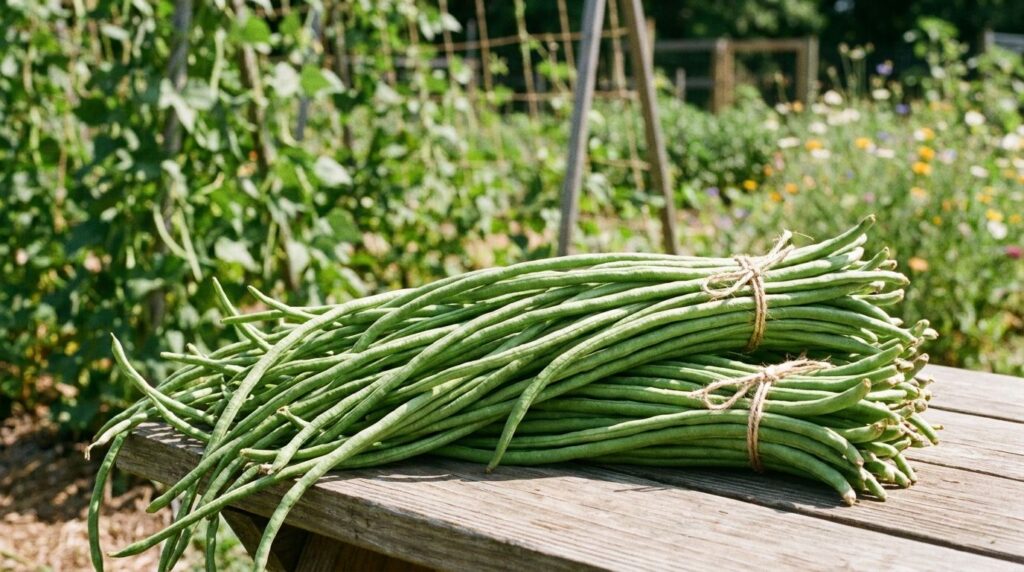
As their name suggests, yardlong beans are indeed long—often growing up to 18-30 inches! Also known as asparagus beans or Chinese long beans, they are a tender, stringless variety of green bean with a slightly sweeter, nuttier flavor. They thrive in warm weather and are incredibly prolific, providing a continuous harvest throughout the summer. Ideal for stir-fries, steaming, or simply snapping into smaller pieces for any dish where you’d use green beans, they add an impressive visual element to your garden.
7. Sorrel
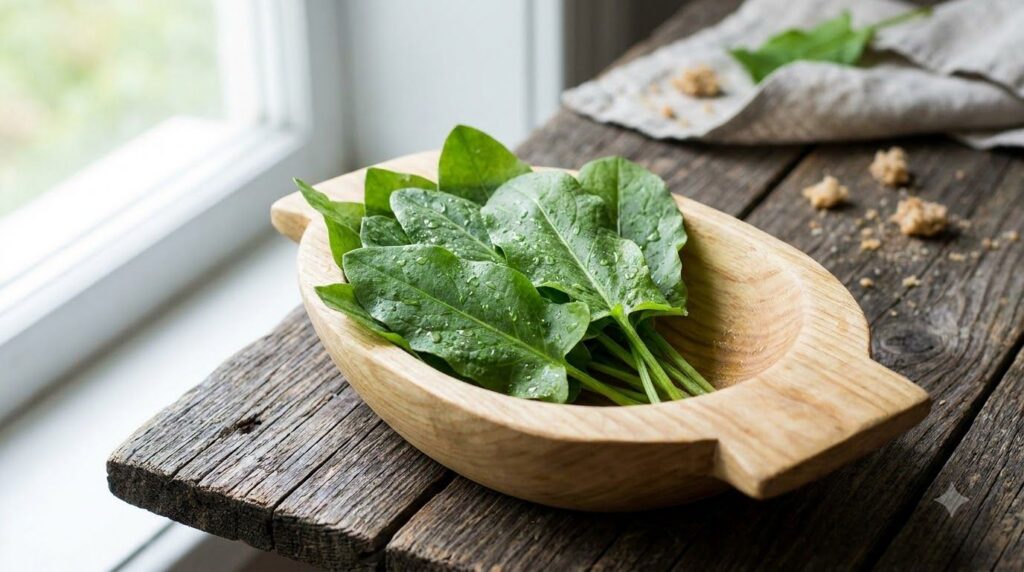
If you love a lemony tang, then sorrel is the herb (often used as a leafy vegetable) for you! This perennial plant has bright green, arrow-shaped leaves with a distinctive sour, citrusy flavor, making it a refreshing addition to salads, soups, and sauces. It’s particularly fantastic in a classic French sorrel soup or added to fish dishes. Sorrel is very easy to grow and will provide fresh leaves from spring through fall, making it a low-maintenance, high-impact plant for your culinary garden.
8. Skirret
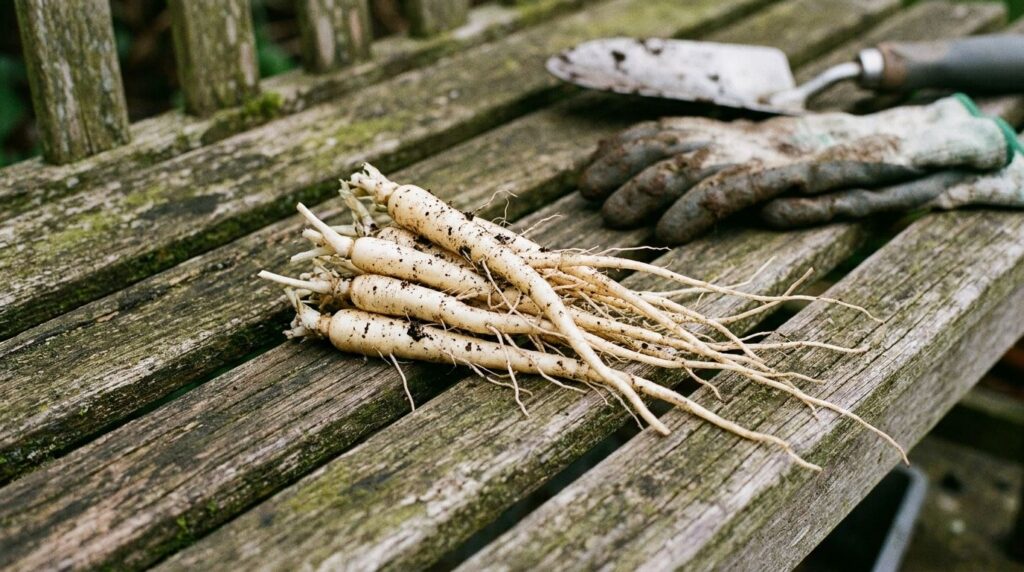
An ancient root vegetable gaining new popularity, skirret offers a unique sweet and earthy flavor, often described as a cross between parsnip and carrot, but with a more delicate texture. It produces clusters of white, finger-like roots that are excellent roasted, boiled, or mashed. Skirret is a perennial, meaning it will come back year after year once established, providing a reliable and unique harvest. It’s a hardy plant that can tolerate a range of soil conditions, making it an easy addition to most gardens.
9. Sunchokes (Jerusalem Artichokes)
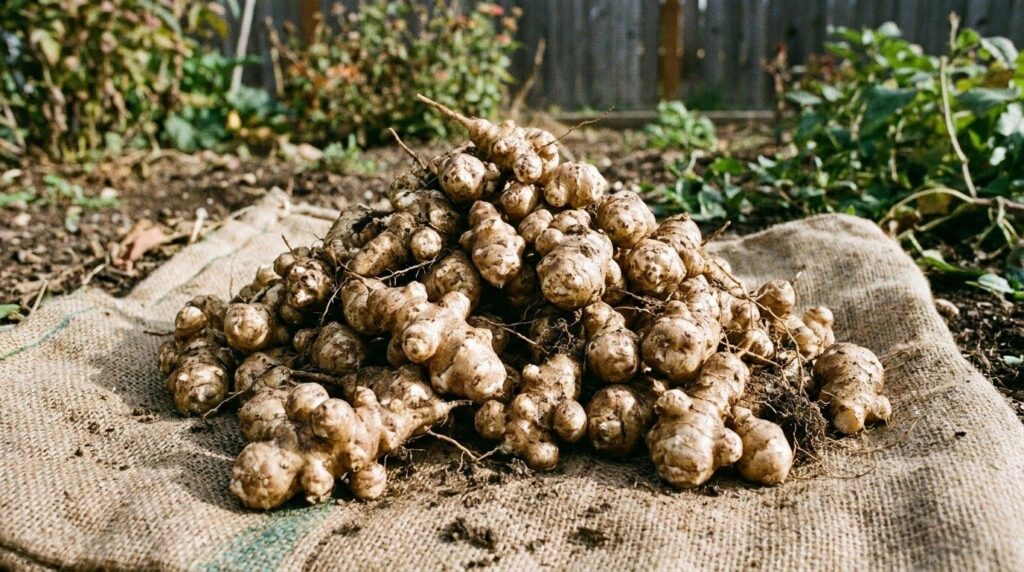
Sunchokes, or Jerusalem artichokes, are not artichokes and don’t come from Jerusalem! They are actually the tubers of a type of sunflower, offering a crisp, nutty, and slightly sweet flavor often compared to water chestnuts or jicama. They can be eaten raw, sliced into salads, roasted, fried, or pureed into soups for a creamy texture. Sunchokes are incredibly easy to grow and can be very prolific, so be prepared for a bountiful harvest! They are also a great source of inulin, a dietary fiber.
Ready to Grow Something New?
Incorporating these unique vegetables into your garden is a fantastic way to introduce new flavors, boost your nutrition, and simply have more fun with your gardening journey. Don’t be afraid to experiment! Each of these plants offers its own rewards, whether it’s an unusual texture, a vibrant color, or a surprising taste that will elevate your home cooking.
Which of these unique vegetables are you most excited to try growing? Share your thoughts and any experiences with uncommon veggies in the comments below! Happy gardening, everyone!