In recent years, plant-based milks have transformed how many of us enjoy our morning cereal, coffee, and smoothies. Whether you’re lactose intolerant, looking to reduce your dairy intake, or simply curious about new flavors, the world of non-dairy alternatives offers a vast array of choices.
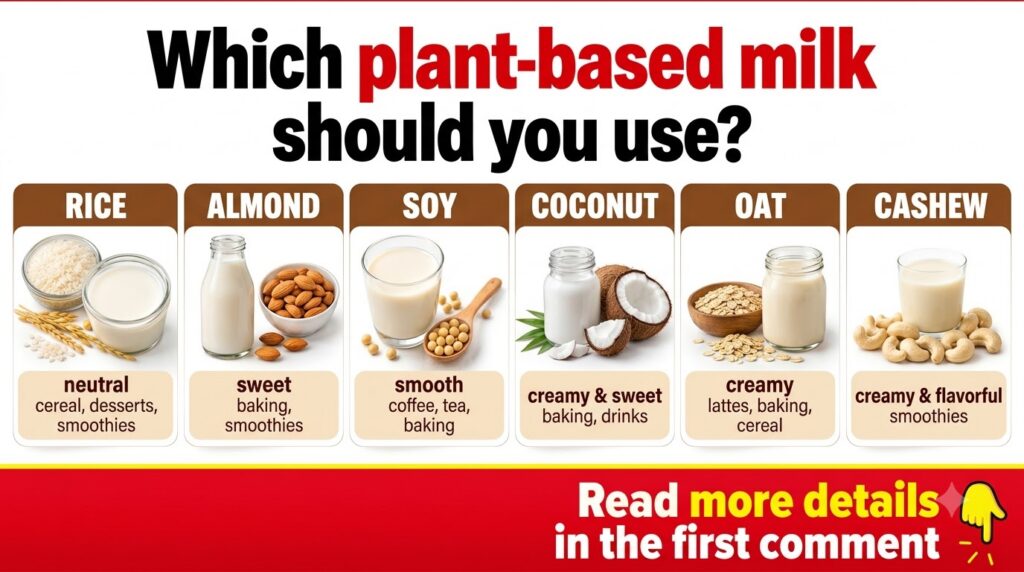
This comprehensive guide will walk you through the most popular plant-based milks: rice, almond, soy, coconut, oat, and cashew. We’ll explore their unique nutritional profiles, distinct flavors, and best uses in the kitchen. By the end, you’ll feel confident choosing the perfect plant-based milk to suit your taste buds and dietary needs.
Why Choose Plant-Based Milks?
Many people are opting for plant-based milks for various reasons. For some, it’s a matter of dietary necessity, such as lactose intolerance or dairy allergies. For others, it’s a lifestyle choice driven by environmental concerns, animal welfare, or a desire for a wider variety of flavors and nutritional benefits.
- Lactose-Free: Naturally free from lactose, making them ideal for individuals with lactose intolerance.
- Dietary Diversity: Offers a wide range of flavors and textures to complement different foods and drinks.
- Potential Health Benefits: Many are fortified with vitamins and minerals, and some offer unique nutritional advantages from their plant source.
- Environmental Impact: Can often have a lower environmental footprint compared to traditional dairy milk, depending on the specific plant and production methods.
Discovering Different Plant-Based Milks
Let’s dive into the characteristics of each popular plant-based milk.
Rice Milk
Made from milled rice and water, rice milk is known for its naturally sweet and thin consistency. It has a very mild flavor, making it a versatile option that doesn’t overpower other ingredients. It’s often a good choice for those with multiple food allergies, as it is typically free from nuts, soy, and dairy.

Almond Milk
One of the most popular plant-based milks, almond milk is made from ground almonds and water. It has a slightly nutty flavor and a creamy texture, especially the unsweetened varieties. It’s widely used in coffee, smoothies, and baking, and it’s generally low in calories compared to other options.

Soy Milk
Derived from soybeans, soy milk is one of the oldest and most traditional plant-based milk alternatives. It offers a creamy texture and a distinct, often slightly beany, flavor. Nutritionally, it’s notable for its protein content, which is comparable to cow’s milk. It’s excellent for cooking, baking, and adding to coffee due to its ability to foam.

Coconut Milk (Beverage)
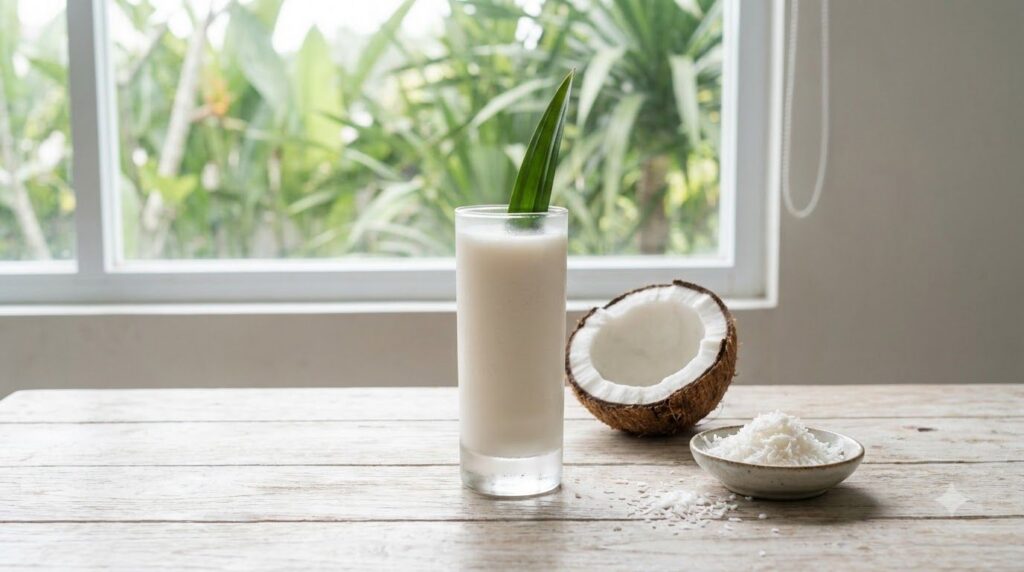
Not to be confused with canned coconut milk used for cooking, beverage-style coconut milk is much thinner and designed for drinking. It’s made from filtered water and coconut cream. It has a subtle coconut flavor and a relatively creamy texture, making it a good addition to smoothies or for those who enjoy a tropical hint in their drinks. It is typically low in protein.
Oat Milk
Oat milk has surged in popularity for its wonderfully creamy texture and naturally sweet, mild flavor. Made from oats and water, it froths exceptionally well, making it a favorite among baristas and coffee enthusiasts. It also contains some soluble fiber, which can be beneficial for digestive health. It’s great in coffee, tea, smoothies, and cereal.

Cashew Milk
Cashew milk offers a rich, creamy consistency and a subtly nutty, buttery flavor. It’s made from cashews and water, and its smooth texture makes it a fantastic base for creamy sauces, soups, and desserts. It’s also delicious in coffee and smoothies, providing a luxurious mouthfeel without being too heavy.

Plant-Based Milk Nutrition Comparison Chart
Here’s a quick look at the approximate nutritional values per 1 cup (240ml) of unsweetened plant-based milks. Values can vary by brand and fortification.
| Food | Calories | Protein | Carbs | Fat | Fiber | Main Nutrients | Best Benefit |
|---|---|---|---|---|---|---|---|
| Rice Milk | 70-120 | ~1g | ~22g | ~2g | ~0g | Calcium, Vitamin D, B12 (fortified) | Allergy-friendly, mild taste |
| Almond Milk | 30-40 | ~1g | ~1g | ~2.5g | ~0-1g | Vitamin E, Calcium, Vitamin D (fortified) | Low calorie, versatile |
| Soy Milk | 80-100 | ~7-8g | ~4g | ~4g | ~1g | Protein, Calcium, Vitamin D, B12 (fortified) | High protein, good for cooking |
| Coconut Milk | 45-50 | ~0g | ~1g | ~4g | ~0g | Calcium, Vitamin D, B12 (fortified) | Tropical flavor, dairy-free |
| Oat Milk | 120-140 | ~3g | ~16g | ~5g | ~2g | Soluble Fiber, Calcium, Vitamin D, B12 (fortified) | Creamy, good for frothing |
| Cashew Milk | 25-40 | ~1g | ~1-2g | ~2-3g | ~0g | Calcium, Vitamin D, B12 (fortified) | Rich & creamy, low calorie |
Which Plant-Based Milk is Best For You?
The best plant-based milk depends on your individual needs and how you plan to use it.
For Coffee Lovers
If you enjoy lattes or creamy coffee drinks, oat milk is often the top choice due to its excellent frothing capabilities and rich texture. Soy milk also performs well in coffee, while almond milk and cashew milk offer a pleasant creaminess for those who prefer a subtler flavor.
For Baking and Cooking
When baking or making savory dishes, soy milk is a fantastic all-rounder due to its protein content and creamy texture, which can mimic dairy milk well. Cashew milk is excellent for creating creamy sauces and soups without overpowering the flavor. Almond milk can also work in many recipes, particularly those where a subtle nutty flavor is desired.
For Smoothies and Cereal
For a daily smoothie or bowl of cereal, nearly any plant-based milk can work. Almond milk is a popular low-calorie base. Oat milk adds creaminess and a touch of sweetness. Rice milk is a great neutral option, especially for fruit-heavy smoothies where you want the fruit flavors to shine. Coconut milk can add a delicious tropical twist.
For Allergy Considerations
If you have specific allergies:
- Nut allergies: Rice milk and oat milk are generally safe bets. Always check labels to ensure they are produced in nut-free facilities if severe allergies are a concern.
- Soy allergy: Almond, rice, oat, cashew, and coconut milks are good alternatives.
- Multiple allergies: Rice milk is often recommended as the most hypoallergenic option.
Practical Tips for Enjoying Plant-Based Milks
- Always Shake Before Use: Plant-based milks can separate in the carton, so a good shake ensures consistency.
- Check for Unsweetened Varieties: Many plant milks come in sweetened and unsweetened versions. Opt for unsweetened to control your sugar intake and allow the natural flavors of your food to shine.
- Read the Label: Look for fortified versions to ensure you’re getting essential nutrients like calcium, Vitamin D, and Vitamin B12.
- Experiment with Brands: The taste and texture can vary significantly between brands, even for the same type of milk. Don’t be afraid to try a few until you find your favorite.
- Homemade Options: Consider making your own almond or oat milk for a fresher, additive-free option.
FAQs About Plant-Based Milks
Q1: Are plant-based milks as nutritious as cow’s milk?
While cow’s milk offers a specific nutrient profile, many plant-based milks are fortified with calcium, Vitamin D, and Vitamin B12 to mimic its nutritional benefits. However, protein content can vary significantly, with soy milk typically being the closest to dairy milk.
Q2: Do all plant-based milks contain sugar?
No, many brands offer unsweetened versions. It’s always best to check the nutrition label to monitor sugar content, as sweetened varieties can contain added sugars.
Q3: Can plant-based milks be used in all recipes that call for dairy milk?
Generally, yes, but results may vary. Soy and oat milk tend to be the most versatile for cooking and baking due to their creaminess and protein content. Thinner milks like rice milk may alter the texture in some recipes.
Q4: Are plant-based milks suitable for children?
For children, especially infants, it’s crucial to consult a pediatrician or registered dietitian before introducing plant-based milks as a primary milk source, as their nutritional needs are specific. Fortified soy milk is often recommended as the closest alternative to cow’s milk for toddlers.
Q5: What’s the difference between coconut milk in a can and coconut milk in a carton?
Canned coconut milk is thicker, higher in fat, and typically used in cooking (like curries). Coconut milk in a carton is a diluted beverage designed for drinking and cereal, much lighter in consistency and calories.
Q6: Can I make my own plant-based milk at home?
Yes, many plant-based milks, especially almond and oat milk, are relatively easy to make at home with just a few ingredients and a blender. This allows you to control the ingredients and avoid additives.
Conclusion
The world of plant-based milks is diverse and delicious, offering a healthy alternative for nearly every dietary need and culinary preference. From the rich creaminess of oat and cashew milk to the mild versatility of rice and almond milk, there’s truly a plant-based option for everyone.
Don’t be afraid to experiment! Try different brands and types to discover which ones best complement your morning coffee, favorite recipes, and overall healthy lifestyle. Exploring these alternatives can open up new possibilities in your kitchen and support your well-being.
This content is for educational purposes only and should not be considered medical advice. Consult a qualified healthcare professional for personalized dietary recommendations.