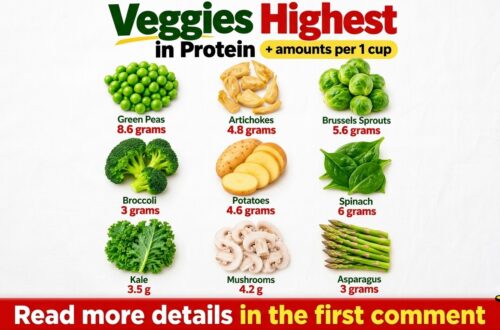
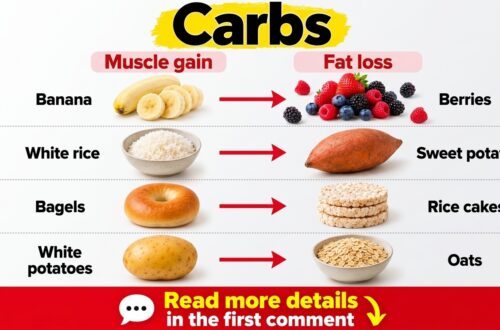
Boosting your protein intake has never been easier! Protein is a powerhouse nutrient, essential for building and repairing tissues, making enzymes and hormones, and keeping you feeling full and energized. Whether you’re an athlete, looking to manage your weight, or simply aiming for a healthier diet, understanding how to hit your protein goals is a game-changer.
This article will guide you through the importance of protein and provide a practical cheat sheet, showing you exactly how much of common foods you need to get 30 grams of protein. Get ready to power up your meals and make smarter food choices!
The Power of Protein in Your Diet
Protein plays a vital role in nearly every bodily function. It’s not just for muscles; it’s crucial for your immune system, bone health, and even your mood. Including adequate protein in your meals can help with:
- Satiety: Protein helps you feel fuller for longer, which can prevent overeating and support weight management.
- Muscle Repair and Growth: Essential for athletes and anyone looking to maintain or build muscle mass.
- Metabolism Boost: Your body uses more energy to digest protein compared to fats and carbohydrates, a process known as the thermic effect of food.
- Blood Sugar Control: Protein can help stabilize blood sugar levels, preventing sharp spikes and crashes.
Your 30-Gram Protein Cheat Sheet
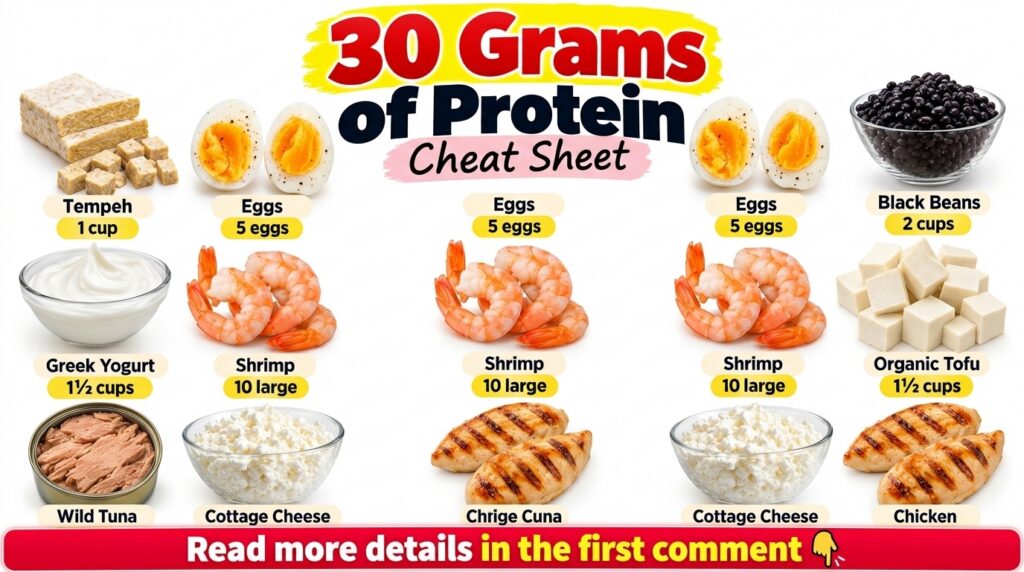
Hitting a specific protein target, like 30 grams per meal, can feel daunting without a clear guide. This chart breaks down common, healthy foods and shows you approximately how much you need to reach that 30-gram goal.
| Food | Quantity for 30g Protein | Approx. Calories | Main Benefit |
|---|---|---|---|
| Chicken Breast | 4 oz (cooked) | 165 | Lean muscle, versatile |
| Large Eggs | 5 whole eggs | 390 | Complete protein, essential nutrients |
| Plain Greek Yogurt | 1.5 cups | 200 | Probiotics, bone health |
| Black Beans | 2 cups (cooked) | 450 | Fiber-rich, plant-based |
| Shrimp | 4 oz (cooked) | 120 | Low-fat, omega-3s |
| Firm Tofu | 1.5 cups | 270 | Plant-based, calcium |
| Tempeh | 6 oz | 340 | Fermented, gut-friendly |
| Wild Tuna (canned) | 4 oz (drained) | 120 | Omega-3s, convenient |
| Low-Fat Cottage Cheese | 1 cup | 160 | Casein protein, satiety |
Why 30 Grams?
Many nutrition experts suggest aiming for around 20-30 grams of protein per meal. This amount is often cited as effective for stimulating muscle protein synthesis, helping with satiety, and providing a steady release of energy throughout the day. Spreading your protein intake across meals can also be more beneficial than consuming a large amount in one sitting.
Practical Tips for Boosting Your Protein Intake
- Plan Ahead: Incorporate protein sources into your weekly meal plan and grocery list.
- Meal Prep: Cook larger batches of chicken, beans, or hard-boiled eggs at the beginning of the week for quick additions to meals and snacks.
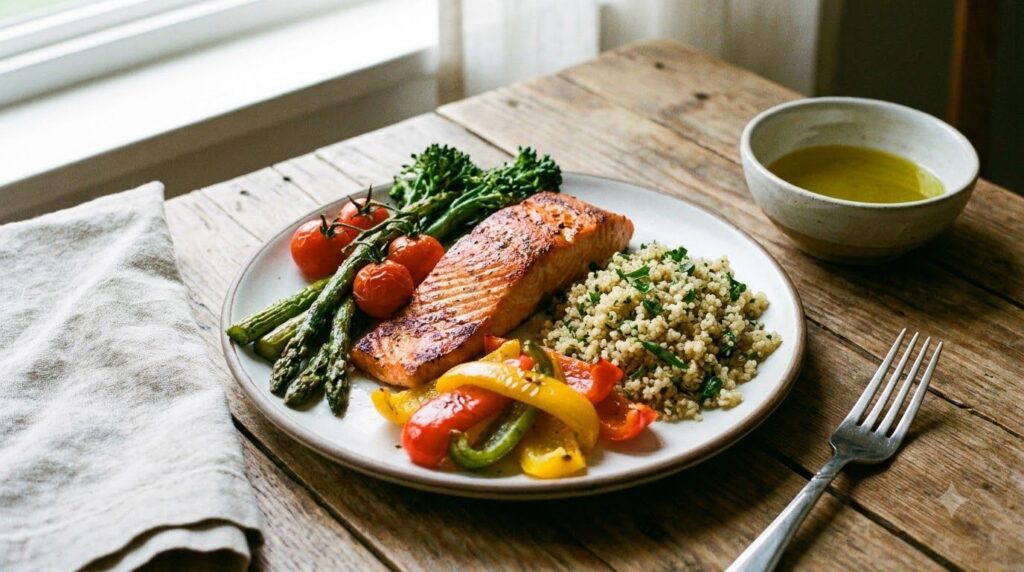
- Combine Protein with Fiber: Pair your protein with vegetables, fruits, and whole grains for a more satisfying and nutritious meal. For example, add black beans to a veggie-filled salad.
- Vary Your Sources: Don’t rely on just one or two protein foods. Explore different options to ensure a wider range of nutrients.
- Protein-Rich Snacks: Keep high-protein snacks handy, such as cottage cheese, Greek yogurt, or a handful of almonds, to curb hunger between meals.
- Start with Breakfast: Make breakfast a protein priority. Think scrambled eggs, a Greek yogurt parfait, or a protein-packed smoothie.
FAQs About Protein and Healthy Eating
How much protein do I really need daily?
The recommended dietary allowance (RDA) for protein is 0.8 grams of protein per kilogram of body weight. However, individual needs can vary based on age, activity level, muscle mass, and health goals. Active individuals or those looking to lose weight may benefit from higher amounts, often between 1.2 to 2.2 grams per kilogram.
Is 30 grams of protein per meal too much?
For most healthy adults, 30 grams of protein per meal is a safe and effective amount, especially if you’re spreading your protein intake throughout the day. It is often considered an optimal amount to stimulate muscle protein synthesis and promote satiety.
Can I get enough protein from plant-based foods?
Absolutely! Plant-based diets can provide ample protein. Foods like beans, lentils, tofu, tempeh, quinoa, nuts, and seeds are excellent sources. Combining different plant proteins throughout the day ensures you get all essential amino acids.
What are easy ways to add more protein to breakfast?
Try adding Greek yogurt to your oatmeal, mixing protein powder into smoothies, including eggs or egg whites, or topping whole-wheat toast with cottage cheese and fruit. These simple additions can make a big difference.
Are protein supplements necessary?
For most people, a well-balanced diet with a variety of whole foods can provide sufficient protein. Supplements can be convenient for those with higher protein needs, limited dietary options, or busy schedules, but they are not always essential.
How does protein help with weight management?
Protein contributes to weight management by increasing satiety, which helps reduce overall calorie intake. It also has a higher thermic effect than carbs or fat, meaning your body burns more calories digesting it. Additionally, protein helps preserve muscle mass during weight loss.
What if I don’t like some of these foods?
There are many protein sources available! Focus on the foods you enjoy and explore new recipes. The key is variety and finding healthy options that fit your palate and dietary preferences.
Conclusion
Incorporating enough protein into your diet is a fundamental step toward better health, increased energy, and achieving your wellness goals. By using this simple cheat sheet and adopting practical tips, you can easily meet your protein targets and enjoy the many benefits of this essential macronutrient. Experiment with different foods, listen to your body, and make protein a cornerstone of your healthy eating journey!
Explore more healthy food content on our website for additional tips, recipes, and nutrition guides!
This content is for educational purposes only and should not be considered medical advice. Consult a qualified healthcare professional for personalized dietary recommendations.